





A Supporting Role for Flavour
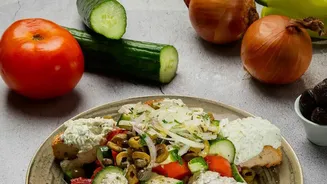
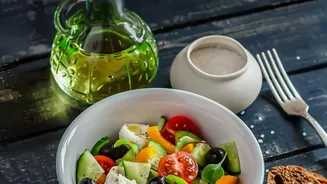
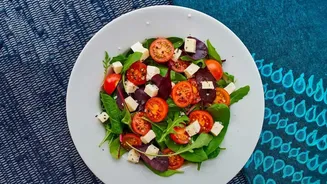
In the traditional Mediterranean diet, cheese and yoghurt are used with a light hand and a focus on quality. Instead of being the heavy, central component of a dish, they are treated as flavour accents. Think of a small amount of salty, tangy feta crumbled
over a fresh salad, or a dollop of creamy labneh served alongside grilled meats and vegetables. This approach is about moderation; enjoying dairy for the flavour and richness it brings, rather than in excessive amounts. This philosophy allows the fresh flavours of vegetables, grains, and legumes to remain at the forefront, with dairy providing a complementary boost. The goal is to enhance, not overwhelm.
Yoghurt's Hidden Talents
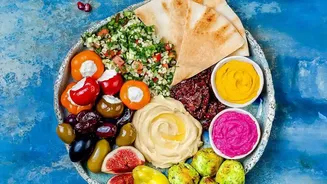
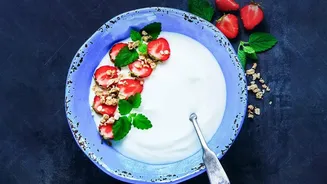
Yoghurt in the Mediterranean is far more than a breakfast food. Plain, full-fat Greek yoghurt is a kitchen workhorse with a variety of uses. As a base for sauces and dips like tzatziki, it offers a cool, tangy counterpoint to rich or spicy foods. The acids in yoghurt also make it an exceptional marinade for chicken and lamb, tenderizing the meat and helping it develop a beautiful crust when grilled. Strained to create thick labneh, it becomes a creamy cheese-like spread, perfect for drizzling with olive oil and serving with pita bread as part of a mezze platter. These fermented dairy products are also rich in probiotics, which are beneficial for gut health.
Beyond the Usual Feta
While feta is arguably the most famous Mediterranean cheese, the region boasts an incredible diversity of cheeses, each with its own story. In Cyprus, semi-hard halloumi is known for its high melting point, making it perfect for grilling or frying. Italy offers fresh, sweet ricotta, often made from the whey leftover from other cheesemaking, which is perfect for filling pasta or adding creaminess to dishes. Spain’s Manchego has a nutty, buttery flavour that pairs beautifully with figs and almonds. From the Eastern Mediterranean, you'll find a range of yogurt cheeses like kashk or shanklish. Exploring these varieties opens up a new world of flavours and textures to incorporate into your cooking.
Bringing the Balance to Your Kitchen
Adopting the Mediterranean approach to dairy is simple. Start by using small amounts of high-impact cheese. A grating of aged Pecorino or Parmigiano-Reggiano over a pasta dish can provide more flavour than a large quantity of a milder cheese. Crumble goat cheese over roasted vegetables or use it in a tart for a tangy kick. Instead of a heavy cream sauce, try stirring a spoonful of mascarpone or Greek yoghurt into a risotto or soup at the end of cooking for a touch of richness. You can also whip feta with olive oil and lemon juice to create a flavourful, creamy dip. By focusing on quality and using these ingredients thoughtfully, you can add new dimensions to your meals.