




Why 'Natural' Can Still Harm Your Skin
The internet is filled with tutorials promising radiant skin using ingredients straight from your pantry. While many of these hacks are rooted in generations of wisdom, it's crucial to understand a fundamental truth: not all natural ingredients are gentle.
Your skin has a delicate protective barrier and a specific pH balance, and many common household items can disrupt it. For example, lemon juice is often praised for its Vitamin C content, but its high acidity (a pH of around 2) can strip the skin, cause chemical burns, and lead to phytophotodermatitis—a reaction causing dark patches when the skin is exposed to sunlight. Similarly, baking soda, often touted as a great exfoliator, is highly alkaline. Using it on your skin can damage the acid mantle, leading to severe dryness, irritation, and increased sensitivity. Even seemingly harmless ingredients like certain essential oils, plant extracts, or spices can cause allergic reactions, known as contact dermatitis, in susceptible individuals. The term 'natural' isn't regulated, meaning it offers no guarantee of safety or efficacy for your unique skin type.
The Patch Test: Your Personal Safety Check
A patch test is a simple procedure to determine if a new product or ingredient will cause irritation or an allergic reaction before you apply it all over your face. Think of it as a dress rehearsal for your skin. It separates the Instagram hype from what will actually work for you. There are two main types of reactions you're testing for. The first is irritant contact dermatitis, which is a direct irritation that can happen to anyone and usually appears quickly. The second is allergic contact dermatitis, which is a delayed immune response that can take 48 to 96 hours to develop and is specific to your body's sensitivities. A quick five-minute test on the back of your hand is not enough to check for these delayed reactions. Performing a proper patch test empowers you to become your own skincare expert, ensuring that a fun DIY experiment doesn't turn into a weeks-long skin issue requiring a dermatologist's intervention.
How to Perform a Proper Patch Test
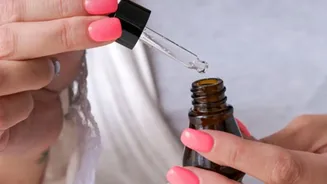
Doing a patch test correctly requires a bit of patience, but it's worth it. The American Academy of Dermatology provides clear guidelines for the most effective method, sometimes called a repeated open application test. First, choose a discreet, quarter-sized spot on your skin where the product won't be easily washed or rubbed away, like the bend of your elbow or the underside of your arm. Clean the area and pat it dry. Apply a small amount of the homemade mixture to this spot. For a leave-on product like a mask or serum, you should leave it on. If it's a rinse-off product like a scrub, leave it on for about five minutes or as long as the recipe suggests before washing it off. The crucial part is repetition: you need to reapply the product to the same spot twice a day for at least seven to ten days. This extended period is necessary to catch delayed allergic reactions that won't show up after a single application.
Reading the Results: What to Look For
During the testing period, pay close attention to the test spot. A reaction can manifest in several ways. Look for redness, itching, swelling, a burning sensation, small bumps, or a blistering rash. If you experience any of these symptoms, you should immediately and gently wash the product off the test area and discontinue its use completely. You can apply a cool compress or petroleum jelly to soothe the area if needed. If there's no reaction after the full 7-10 day period, the ingredient is likely safe for you to use. However, it's still wise to introduce any new product or hack into your routine slowly. Just because it's safe on your arm doesn't guarantee your facial skin, which can be more sensitive, will react the same way. Always test one new product or ingredient at a time; otherwise, if a reaction occurs, you won't know which one was the culprit.