






Moving Beyond the Postcard
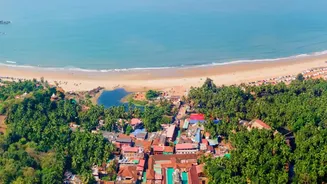
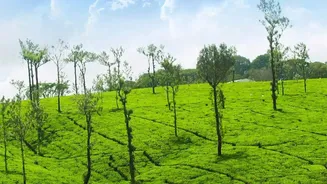
For decades, Kerala's tourism identity has been built on a few powerful images: serene backwaters, lush tea gardens, and golden beaches. While immensely successful, this model led to challenges like overcrowding in popular spots and an uneven distribution
of tourism revenue. In response, the state is now championing a deeper, more sustainable vision through its Responsible Tourism (RT) Mission. This 'rethink' is a deliberate shift away from conventional sightseeing towards immersive activities that are rooted in the state's authentic culture. The goal is no longer just to show tourists a place, but to let them experience its life, people, and traditions firsthand.
A Genuine Taste of the Land
Food is a central pillar of this new strategy. The plan moves beyond generic hotel menus to offer travellers a genuine taste of Kerala's diverse culinary landscape. This means creating experiences around food, from learning to cook regional dishes in a local home to exploring the unique flavours of toddy shop cuisine or participating in a traditional Sadhya feast. This focus on cuisine does more than just please the palate; it connects visitors to the region's agriculture, history, and daily life. Initiatives like homestays and community-run food courts at tourism festivals are empowering local families, especially women, to turn their culinary skills into a source of income, ensuring the economic benefits of tourism are shared more widely.
Crafting Authentic Connections
Similarly, local crafts are being elevated from simple souvenirs to key cultural experiences. The new approach encourages tourists to engage with the artisans behind the products. Instead of just buying a Kathakali mask, visitors can now watch the intricate process of its creation or witness the weaving of traditional coir products. This pivot towards experiential engagement helps preserve priceless ancestral skills that are at risk of disappearing. By promoting unique, handcrafted items like the Nettoor Petti (a traditional wooden chest) over mass-produced trinkets, the state is creating a market for high-value, authentic goods that provide sustainable livelihoods for artisan communities.
The Economics of Authenticity
This community-centric model is built on sound economic principles. By creating direct links between tourists and local producers—be they farmers, artisans, or homestay owners—the Responsible Tourism Mission ensures that revenue stays within the community. This strategy, often called the 'triple-bottom-line' approach, targets economic, social, and environmental well-being simultaneously. It reduces economic leakage to large corporations and empowers small-scale entrepreneurs at the grassroots level. The result is more resilient local economies and a tourism industry where growth is inclusive and directly benefits the people who make the destinations unique.
Meeting the Modern Traveller's Quest
Kerala's strategic shift also brilliantly aligns with global travel trends. Today's tourists, particularly younger generations, increasingly seek more than just a relaxing holiday; they crave authentic, meaningful experiences and cultural immersion. They are more likely to spend on unique activities than on generic luxury. The demand for sustainable and responsible travel has grown significantly, with visitors wanting to know that their presence is benefiting, not harming, the local environment and community. By focusing on its rich cultural heritage and offering genuine connections, Kerala is not just solving its own challenges of overtourism but is also positioning itself as a global leader in the future of travel.