


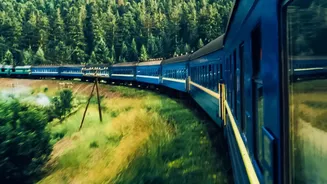
A Celebration of Railway Legacy
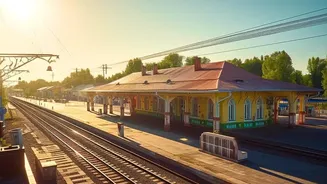
The Indian Railway Board has announced a new initiative to honour the country's rich rail heritage by designating 103 stations as sites for a "Station Mahotsav". This celebration, scheduled between August and November, aims to transform these transport
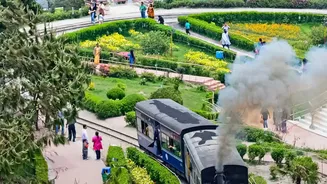
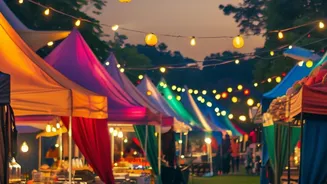
hubs into temporary museums and cultural stages. The list includes stations built between the 1850s and 1930s, each chosen for its unique contribution to India's vast railway story. The events are set to feature historical photo exhibitions, displays of vintage artefacts, film screenings, and the promotion of local arts and food. This move is part of a broader vision to preserve and showcase railway heritage, which includes museums and four UNESCO World Heritage Sites like the Darjeeling Himalayan Railway and Chhatrapati Shivaji Terminus in Mumbai.
Howrah Station: Gateway to the East
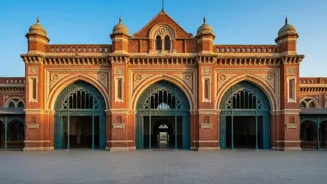
Howrah Station in West Bengal, one of the oldest and busiest railway complexes in India, is a cornerstone of this heritage list. Opened in 1854, it was the first station to serve Eastern India, initially with just a single platform and a modest red-brick building. The first train journey from this station was to Hooghly on August 15, 1854. The grand, iconic structure that commuters see today, with its famous red facade and clock tower facing the Hooghly River, was designed by British architect Halsey Ricardo and completed around 1906 to handle the burgeoning traffic. With 23 platforms, it has the highest train-handling capacity in the country and stands as a testament to Victorian-era architectural grandeur blended with Indian utility. Its inclusion in the Mahotsav underscores its role not just as a transport hub, but as a gateway that facilitated trade, migration, and cultural exchange for over a century.
Kalyan Junction: A Historic Crossroads
Equally significant is Kalyan Junction in Maharashtra, which also opened in 1854. Originally known as 'Calian', the line was an extension of India's very first passenger rail route from Bori Bunder (Mumbai) to Thane. The first train, carrying around 250 guests including the Governor of Bombay, Lord Elphinstone, arrived in Kalyan on May 1, 1854. The construction was an engineering feat for its time, involving the building of a major bridge over the Thane Creek and tunnelling through nearby mountains. As a critical junction on the Central Line, it has long been the branching point for services heading northeast towards Kasara and southeast towards Khopoli, making it one of the most important and busiest stations in the country. Its deep-rooted history, stretching back to the very dawn of Indian Railways, makes its heritage status a fitting tribute.
More Than Just a Title
This heritage designation is part of the 'Amrit Bharat Station Scheme', a Ministry of Railways initiative launched in 2022 to modernise over 1,300 stations across India. A key feature of this scheme is the vision of "Virasat Bhi, Vikas Bhi" (Heritage with Development), which aims to balance modern upgrades with the preservation of local culture and history. This means that while stations will get improved amenities like better waiting areas, Wi-Fi, and accessibility features, the redevelopment will also incorporate designs that reflect regional architecture and identity. For stations like Howrah and Kalyan, this recognition could spur greater focus on conservation efforts and boost local tourism, allowing visitors to appreciate these structures not just as points of transit, but as vital monuments of India's industrial and cultural past.