




The Post-Pandemic Priority Shift
One of the biggest drivers is a psychological shift that occurred after years of lockdowns and restrictions. The phenomenon of "revenge travel" is very real in India. It represents a powerful, pent-up desire to make up for lost time, with many Indians
feeling an urge to break free from monotony and celebrate life. This has transformed travel from a mere luxury into a non-negotiable priority. A recent study found that a staggering 86% of Indians now see holidays as a necessity, not an indulgence. This shift in mindset means that experiences are now being valued over material possessions, with travel seen as an essential investment in well-being and personal growth.
The Rise of the Smart, Value-Conscious Traveller
This isn't to say that budgets have been thrown to the wind. Instead, Indian travellers are becoming more strategic. Many have discovered that with careful planning, some international destinations can be surprisingly affordable, occasionally costing the same or even less than domestic holidays to popular spots. Destinations in Southeast Asia and the Middle East offer world-class experiences without an exorbitant price tag. Furthermore, travellers are booking flights and accommodation weeks in advance to lock in better prices. The landscape of travel financing has also evolved, with 'Travel Now, Pay Later' options and EMI facilities making big trips more financially manageable for the growing middle class.
When FOMO Meets a Clickable World
Social media has completely reshaped how Indians discover and desire travel. Platforms like Instagram and YouTube have become the new travel agents, with a constant stream of stunning visuals from across the globe. Seeing friends, family, and influencers post from 'Instagrammable' international locations creates a powerful sense of FOMO (Fear Of Missing Out). According to reports, a vast majority of Indian travellers turn to social media for inspiration, with user-generated content often trusted more than traditional advertising. This digital exposure makes the world feel more accessible and turns abstract destinations into concrete, must-visit goals.
Greater Access and Widening Horizons
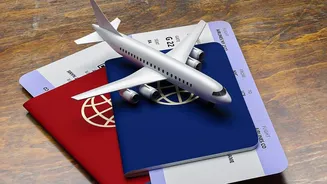
The logistical barriers to international travel are lower than ever. India's outbound tourism market is projected to grow significantly, reaching an estimated $68.8 billion by 2036. This growth is supported by practical factors like improved air connectivity and more favorable visa policies. An increasing number of countries now offer visa-free or visa-on-arrival facilities to Indian passport holders, which drastically simplifies planning. This expanding accessibility, combined with a rising aspirational middle class emerging from Tier-2 and Tier-3 cities, means that a foreign trip is no longer a distant dream but a tangible and achievable goal for a much larger segment of the population.