




Make the Carrier a Safe Haven
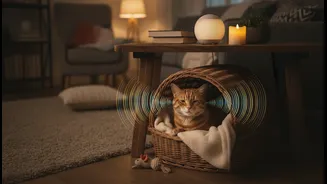
For most pets, especially cats, the vet visit stress begins with the carrier. If it only appears for trips to the clinic, it becomes a symbol of impending anxiety. The key is to transform the carrier from a scary box into a safe, familiar den. Leave the carrier out
in your home continuously, with the door secured open. Place soft bedding, familiar-smelling clothes, and even their favourite toys inside. Start feeding your pet treats or their regular meals near and eventually inside the carrier. This process, known as desensitisation, helps your pet build a positive association, seeing the carrier as a normal part of their environment rather than a precursor to a stressful event.
Normalise Travel
If car rides only ever end at the vet's office, your pet will learn to associate travel with the anxiety of an exam. To break this connection, you need to make travel a more routine and positive experience. Start with short, fun trips that go nowhere in particular. A simple ride around the block, ending back at home with a treat and praise, can work wonders. Gradually, you can extend the duration or visit fun places like a park. For dogs, ensure they are safely restrained with a harness or in a crate. For cats, keep them in their now-familiar carrier, covered with a blanket to reduce visual stress. The goal is to show your pet that a car ride doesn't always mean they're going somewhere unpleasant.
Practice 'Happy Visits'
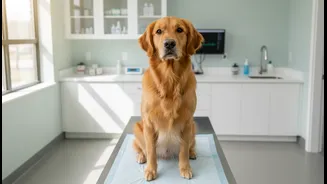
Many veterinary clinics are happy to accommodate 'happy visits' or 'meet and greets'. These are short, non-medical trips to the clinic where your pet simply gets to experience the environment, meet the staff, and receive treats and praise without any examination or procedure. This helps them build positive memories associated with the location. Call your clinic ahead of time to schedule a visit during a quiet period. These visits are incredibly effective at counter-conditioning fear, teaching your pet that the clinic can be a place where good things happen, not just a place for pokes and prods.
Simulate Exams at Home
Much of the fear at a vet's office comes from unfamiliar handling. You can reduce this anxiety by practicing gentle handling at home in a calm setting. Regularly and gently touch your pet’s paws, look in their ears, and lift their lips to check their teeth for a few seconds at a time. Always pair these actions with high-value rewards like a special treat or a favourite toy. This helps your pet get used to being examined and builds their confidence, making the actual vet's examination feel less invasive and frightening. Keep these sessions short and positive, always ending on a good note before your pet gets stressed.
Keep Calm and Carry On
Pets are highly perceptive and can easily pick up on your stress and anxiety. If you are tense and worried on the day of the appointment, your pet will likely mirror those emotions. Do your best to remain calm, positive, and reassuring. Speak in a soft, upbeat voice and handle your pet gently. On the day of the visit, stick to your pet’s normal routine as much as possible to provide a sense of security. Your calm demeanour acts as a powerful signal to your pet that there is no immediate danger, helping them feel more secure throughout the process.