


The Great Potato Divide: Starchy vs. Waxy
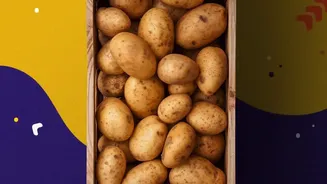
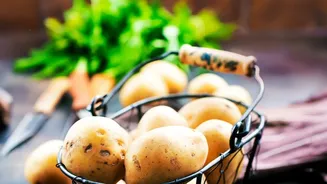
Before we dive into technique, it helps to know the two main players in the potato world. Potatoes generally fall into two categories: starchy or waxy. Starchy potatoes, like the common Russet, are high in starch and low in moisture. This makes them fluffy
and absorbent when cooked, ideal for soaking up butter and cream. Waxy potatoes, such as red or fingerling varieties, have less starch and more moisture. This helps them hold their shape, making them great for potato salads, soups, and gratins where you want distinct pieces. All-purpose potatoes like Yukon Golds sit somewhere in the middle, making them a versatile choice. Understanding this basic difference is the first step, but it's technique that truly bridges the gap between them.
For Perfect Mash, It's About Dryness and Tools
Many believe you must use a starchy Russet for the fluffiest mash. While they are a great choice, you can achieve luscious, fluffy mashed potatoes with a less starchy variety by focusing on technique. The primary enemy of fluffy mash is water and overworking the starch. First, ensure your potatoes are as dry as possible after boiling; letting them steam in the dry pot for a few minutes works wonders. Second, use the right tool. A food processor or blender will rupture the starch cells, resulting in a gluey, sticky mess. Instead, use a potato ricer or a food mill. These tools gently press the potato into fine particles without overworking the starch, giving you a light, airy texture regardless of the exact potato used. Finally, always use warm milk and room-temperature butter to keep the potatoes hot and allow for gentle mixing.
The Secret to Crispy Fries and Roasts
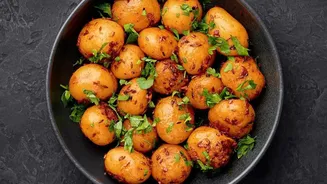
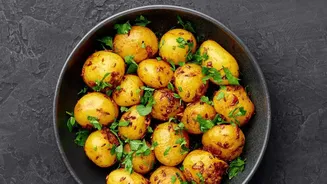
The quest for a truly crispy potato is universal. While high-starch Russets are the go-to for fries due to their ability to get crispy outside and fluffy inside, technique can deliver fantastic results with other potatoes too. For roasted potatoes, the key is parboiling them in salted water first. After draining, give the colander a good shake to rough up the exteriors. This creates a larger, craggy surface area that crisps up beautifully in a hot, fat-coated pan. For French fries, the professional secret is the double-fry method. First, fry the potatoes at a lower temperature until cooked through but still pale. Then, after letting them cool, fry them again at a higher temperature until golden brown and shatteringly crisp. This technique ensures a perfectly cooked interior and a crunchy exterior, compensating for variations in a potato's starch content.
When Variety Still Steals the Show
While technique can work wonders, there are times when potato variety is genuinely crucial. The claim that technique always trumps variety is an oversimplification. In dishes where the potato's structure is the star, a waxy potato is non-negotiable. Think of a classic potato salad; using a starchy Russet will result in a mushy, crumbly mess instead of firm, distinct cubes. Similarly, for layered dishes like a gratin or scalloped potatoes, waxy varieties are essential because they hold their shape and don't fall apart during the long bake. In these cases, no amount of technical skill can force a starchy potato to behave like a waxy one. The key is knowing when the potato's inherent texture is the main feature of the dish.