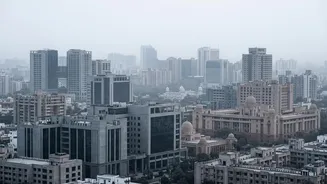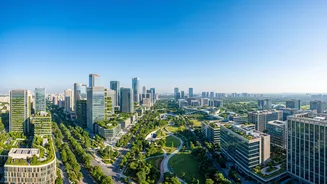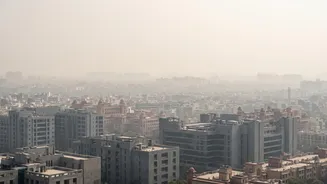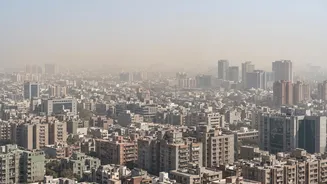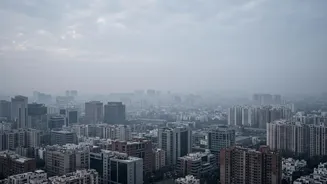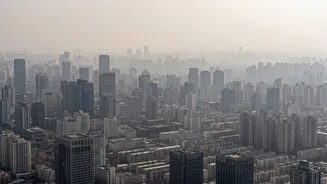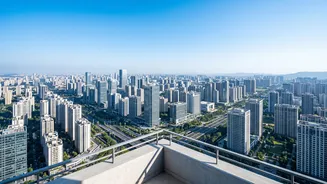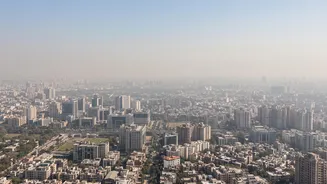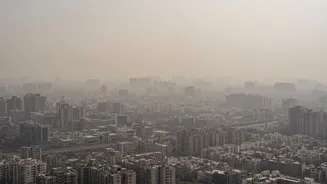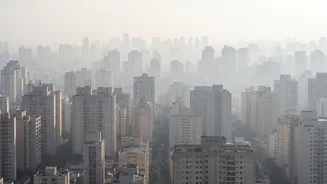

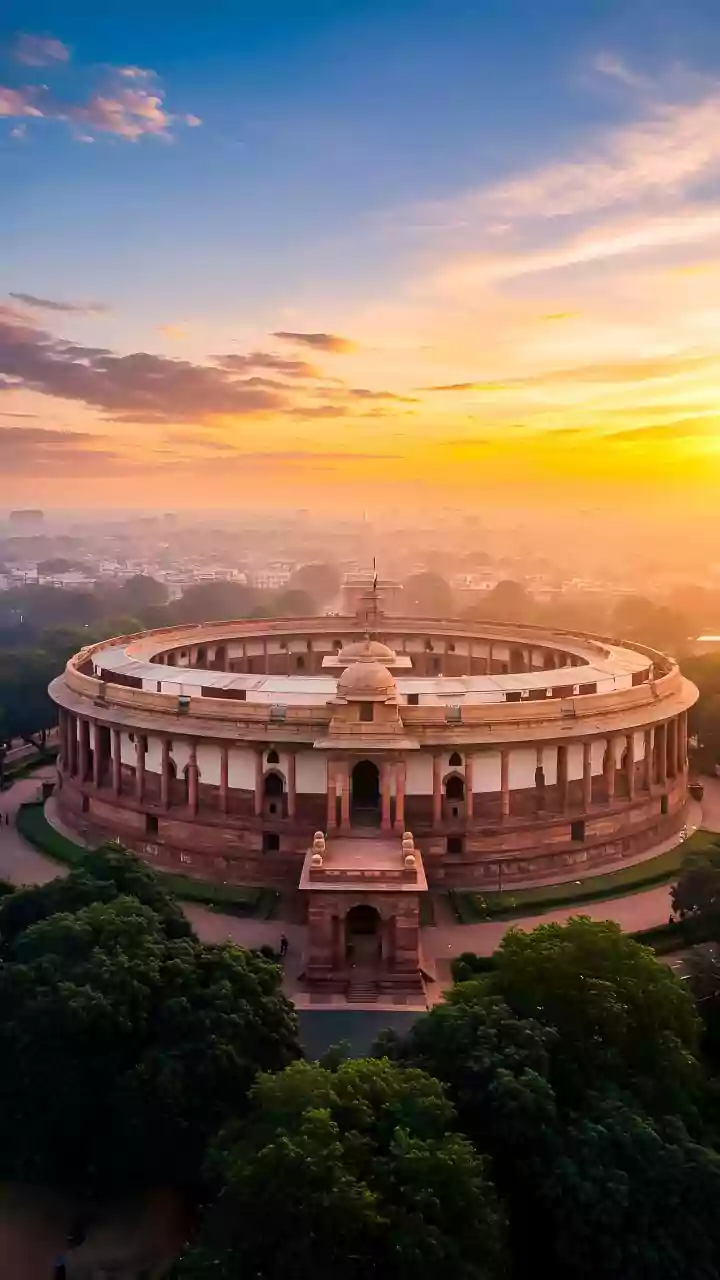





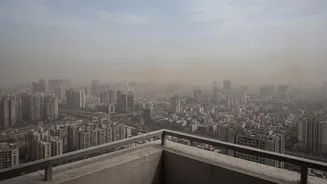
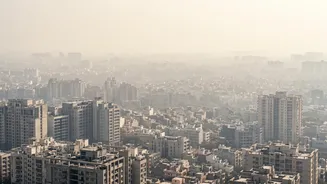
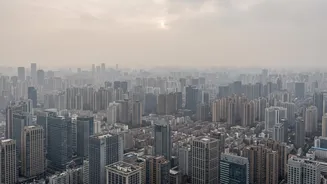
A new United Nations report serves as a stark reminder of Delhi's ongoing public health emergency: air pollution. But beyond the alarming headlines, what does this report really mean for the city and its residents? Here's the essential context.
A Conditional Hope
A recent
report by the UN Environment Programme (UNEP) offers a glimpse of a cleaner future, but with a critical warning. Titled 'Hidden Assets: The Economic and Health Case for Climate and Clean Air Action', the report projects that Delhi could reduce its cumulative exposure to harmful PM2.5 particles by 20% by the year 2040. However, this optimistic outcome is entirely dependent on India meeting its national air quality standards on schedule, starting from 2026. The report underscores the high stakes of inaction, warning that a delay of about eight years—an average global expectation for such rollouts—would slash those gains in half, resulting in only a 10% reduction and far greater health consequences for millions.
The Year-Round Reality
While Delhi's pollution crisis grabs global headlines during the winter smog season, data shows it is a persistent, year-long issue. In 2025, Delhi was ranked as the world's fourth most polluted city, with an annual average PM2.5 concentration nearly 20 times higher than the World Health Organization's safety guideline. The city recorded zero 'Good' air quality days in 2025. Different seasons bring different primary culprits. Winter pollution is exacerbated by meteorological conditions like temperature inversions, which trap pollutants from stubble burning in neighbouring states close to the ground. In contrast, the pre-monsoon summer months of April to June are dominated by intense dust storms and high winds that carry dust from arid regions across northwest India.
A Toxic Mix of Sources
Delhi's hazardous air is a complex cocktail of pollutants from multiple sources. Vehicular emissions are a massive contributor, accounting for a significant percentage of PM2.5 particles in the city. This is compounded by extensive construction and demolition activities, which release vast amounts of dust into the atmosphere. Industrial emissions from factories and coal-fired power plants in and around the National Capital Region add to the toxic load. During the autumn and winter, the single biggest factor is often stubble burning, when farmers in Punjab and Haryana burn crop residue, which can account for over 40% of Delhi's pollution on the worst days.
The Invisible Health Burden
The numbers on air quality charts translate into a devastating, often invisible, public health crisis. The fine particulate matter, PM2.5, is so small it can penetrate deep into the lungs and enter the bloodstream, leading to a host of deadly diseases. Long-term exposure is linked to ischemic heart disease, stroke, lung cancer, and chronic obstructive pulmonary disease (COPD). Air pollution is estimated to cause over two million deaths in India annually. Children are especially vulnerable, with studies showing that poor air quality has caused irreversible lung damage to 2.2 million children in Delhi. The elderly and those with pre-existing conditions also face a heightened risk of mortality and severe illness from exposure.
Are Any Solutions Working?
Authorities have implemented various measures to combat the crisis, most notably the Graded Response Action Plan (GRAP). This is an emergency action plan that escalates restrictions—like banning construction or limiting vehicle use—as air quality deteriorates. However, its effectiveness has been questioned. Reviews have pointed to significant shortcomings in enforcement, with agencies failing to meet targets for inspections and mechanical road sweeping. One analysis noted that improvements in air quality often appeared to be driven more by favourable weather than by the efficacy of GRAP measures. While the National Clean Air Programme (NCAP) has set reduction targets, progress has been mixed, with many cities, including Delhi, still far from meeting national air quality standards.