



The Science of Smell
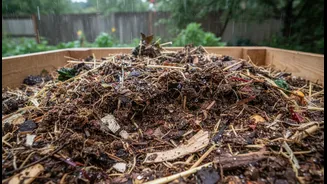
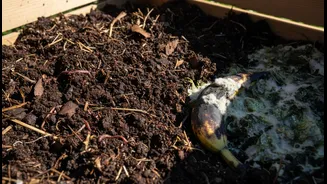
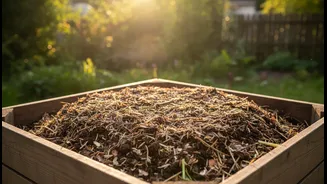
A well-maintained compost pile smells like a forest floor after it rains. This pleasant, earthy aroma is the work of beneficial microorganisms breaking down organic matter with plenty of oxygen—a process called aerobic decomposition. Bad smells, however,
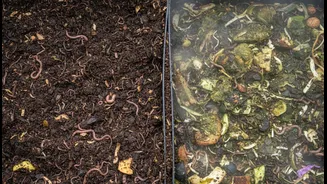
are a red flag. A foul odour almost always means your compost has gone anaerobic, meaning there isn't enough oxygen for the good microbes to breathe. This creates a breeding ground for different kinds of bacteria that produce unpleasant gases, such as hydrogen sulfide (rotten eggs) or ammonia. But don't be discouraged; these smells are simply diagnostic data, pointing you toward an easy fix.
Problem: A Sour, Vinegary, or Rotten Smell
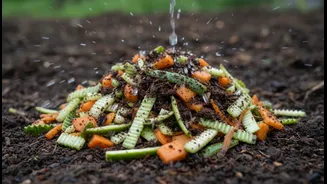
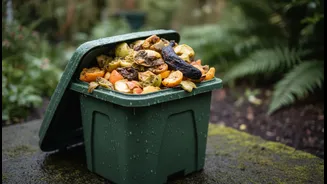
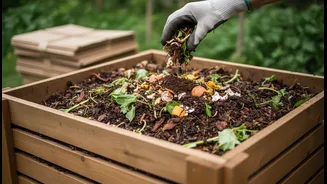
A sour, rotten, or sulfurous smell is the most common complaint from new composters. This points directly to anaerobic conditions, which are usually caused by two main culprits: too much moisture and not enough air. When a pile becomes too wet, water fills all the air pockets that aerobic bacteria need to survive. This can happen if you add too many wet kitchen scraps (like fruit peels and vegetable cuttings) without balancing them with dry materials. Compaction is the other cause; if the materials are too tightly packed, air cannot circulate. The fix is simple: introduce air and add dry materials. Use a garden fork or compost aerator to turn the pile, breaking up any compacted clumps. Then, mix in a generous amount of “browns”—carbon-rich materials like dried leaves, shredded newspaper, cardboard, or sawdust.
Problem: A Sharp Ammonia Smell
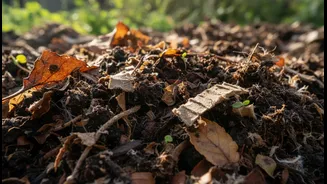
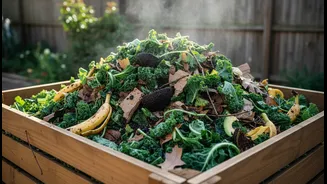
If your bin gives off a sharp, acrid smell reminiscent of ammonia, it’s a sign of a different kind of imbalance. This means you have too much nitrogen-rich material, often called “greens.” Greens include things like fresh grass clippings, vegetable scraps, and coffee grounds. While essential for decomposition, an excess of nitrogen overwhelms the microbes. They can't process it all, and the surplus nitrogen escapes as smelly ammonia gas. To fix this, you need to adjust your carbon-to-nitrogen ratio. The solution is to add a significant amount of carbon-rich “browns” like dry leaves, straw, or torn-up cardboard. As a rule of thumb, a healthy compost pile should contain about two to three parts browns for every one part greens by volume.
Getting the Right Mix: Greens vs. Browns
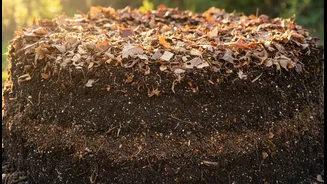
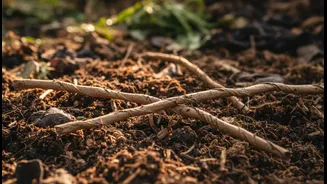
Successful composting is all about balance. Think of it as a recipe. The ideal ratio for efficient, odour-free composting is roughly 25 to 30 parts carbon for every one part nitrogen (C:N ratio). Since you can’t easily measure the chemical content at home, a simpler way is to manage it by volume. "Greens" (Nitrogen-Rich): These are wet, fresh materials that provide the protein for microbes. Examples include fruit and vegetable scraps, fresh grass clippings, and used coffee grounds. "Browns" (Carbon-Rich): These are dry, woody materials that provide the energy, or carbohydrates, for microbes and create air pockets for ventilation. Examples include dried leaves, twigs, straw, sawdust, and shredded paper or cardboard. For every bucket of kitchen scraps (greens) you add, aim to add two or three buckets of browns. Always cover fresh food scraps with a layer of browns to absorb moisture and prevent odours.
What to Leave Out of the Bin
While most kitchen and yard waste can be composted, a few items should always be left out to avoid foul odours and pests. Do not add meat, fish, bones, dairy products, or oily and greasy foods to a typical home compost pile. These materials are very slow to break down, produce rancid smells, and are highly attractive to rodents and other unwanted visitors. While some advanced composting systems can handle these, it's best to exclude them from a standard backyard bin. Sticking to plant-based waste is the safest and cleanest approach for odour-free composting. By managing what you put in, you can ensure the process remains simple, clean, and free of bad smells.