





A Hero's Journey to The Stars
In mid-2025, India watched with pride as Group Captain Shubhanshu Shukla became the second Indian to journey into space, serving as the pilot for the private Axiom-4 (Ax-4) mission to the International Space Station (ISS). More than just a scientific
and professional milestone, the mission represented a cultural moment. Decades after Rakesh Sharma's historic 1984 flight, another Indian was in orbit, and with him came the exciting prospect of sharing Indian culture, particularly its rich culinary heritage, with a new generation of international astronauts. The journey aboard a SpaceX Dragon spacecraft was the culmination of intensive training and international collaboration between ISRO, NASA, and Axiom Space. For many in India, a key point of interest was not just the complex experiments Shukla would conduct, but a simple, relatable question: what would he eat?
The Curated Menu From Mysore
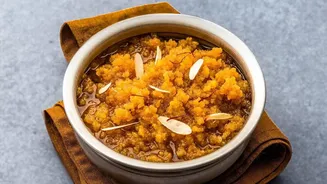
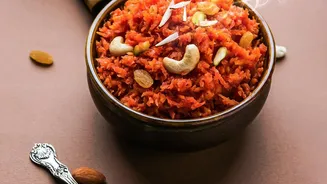
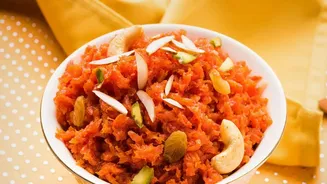
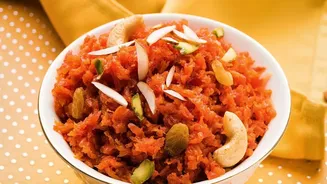
The final selection of Indian food that accompanied Shukla was a trio of classic, comforting sweets. The astronaut's personal menu included Moong Dal Halwa, Gajar ka Halwa (carrot halwa), and Aamras (mango nectar). These dishes were not homemade delicacies but highly specialized creations developed by the Defence Food Research Laboratory (DFRL) in Mysore. This is the same institution that prepared meals for Rakesh Sharma's mission in 1984, continuing a proud legacy of making Indian food space-ready. The choice of sweets was deliberate; they are universally loved, provide a quick energy boost, and, crucially, are less complex in their flavour profiles than spicy curries, making them easier to get approved for the strict dietary and safety standards of spaceflight.
The Hurdle of Space Certification
The headline's “time shortage” refers to the incredibly long and complex process of getting food certified for space travel. You cannot simply pack a tiffin box for the ISS. Every food item must undergo rigorous testing to ensure it can withstand the journey and conditions in microgravity. This involves processes like thermostabilization or freeze-drying to ensure a long shelf life without refrigeration. Food must be packaged to prevent crumbs or liquids from escaping and damaging sensitive equipment. Furthermore, it needs to be nutritionally balanced and safe for consumption in an environment where an astronaut's immune system can be compromised. According to reports, while many Indian dishes were considered, gaining permission was a significant hurdle. The intricate approval process, which involves multiple agencies and strict safety protocols, meant that only a few pre-vetted or easily adaptable options could be prepared and cleared within the mission's timeline.
Why Space Food Is So Different
The science behind space food is fascinating. The primary goal is to make it safe and functional. Oily or spicy foods are generally avoided, as are items that produce crumbs, which could float away and clog air filters or get into an astronaut's eyes. Food is processed to have a shelf life of years. The DFRL, in collaboration with ISRO, has perfected techniques to make familiar Indian dishes meet these tough requirements. For the Ax-4 mission, Shukla sampled numerous items before the final menu was locked. The selected halwas and mango nectar were prepared to be easy to rehydrate and consume, offering a taste of home without compromising the mission's stringent safety standards. The astronaut’s sister even confirmed that all food was officially prepared by DRDO labs, as taking homemade food is simply impossible due to these protocols.
More Than Just a Meal
Beyond nutrition, food in space plays a vital psychological role. For astronauts on long-duration missions, sharing a meal is a crucial team-bonding activity and a powerful link to their culture and family back on Earth. Shukla himself expressed excitement about sharing his Indian delicacies with his crewmates from the US, Poland, and Hungary. During one memorable meal aboard the ISS, photos showed the Ax-4 crew sharing food from their diverse backgrounds, with a packet of Carrot Halwa clearly visible on the table alongside American and Russian space food. This simple act of sharing a sweet dish transformed a personal comfort into an act of cultural diplomacy, building camaraderie in the unique environment of the orbiting laboratory.