




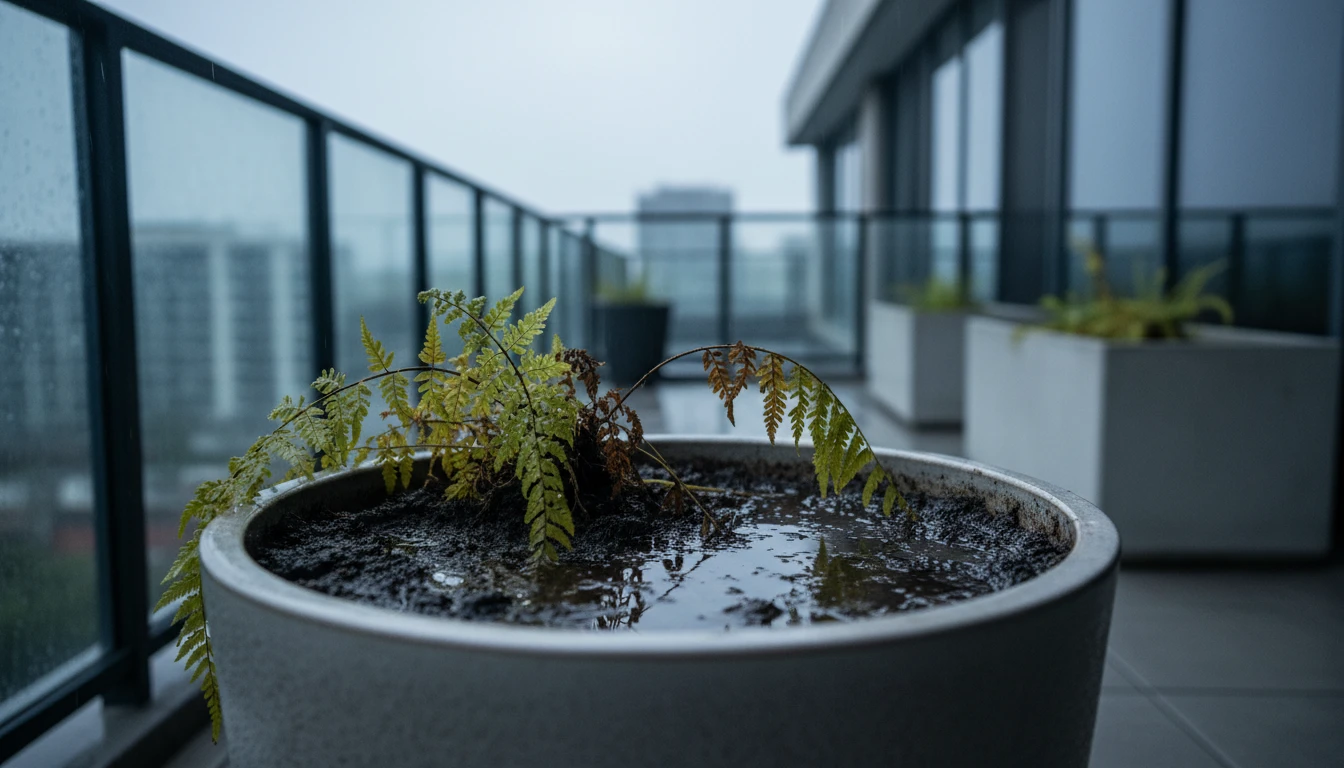


The Deception of a Damp Surface
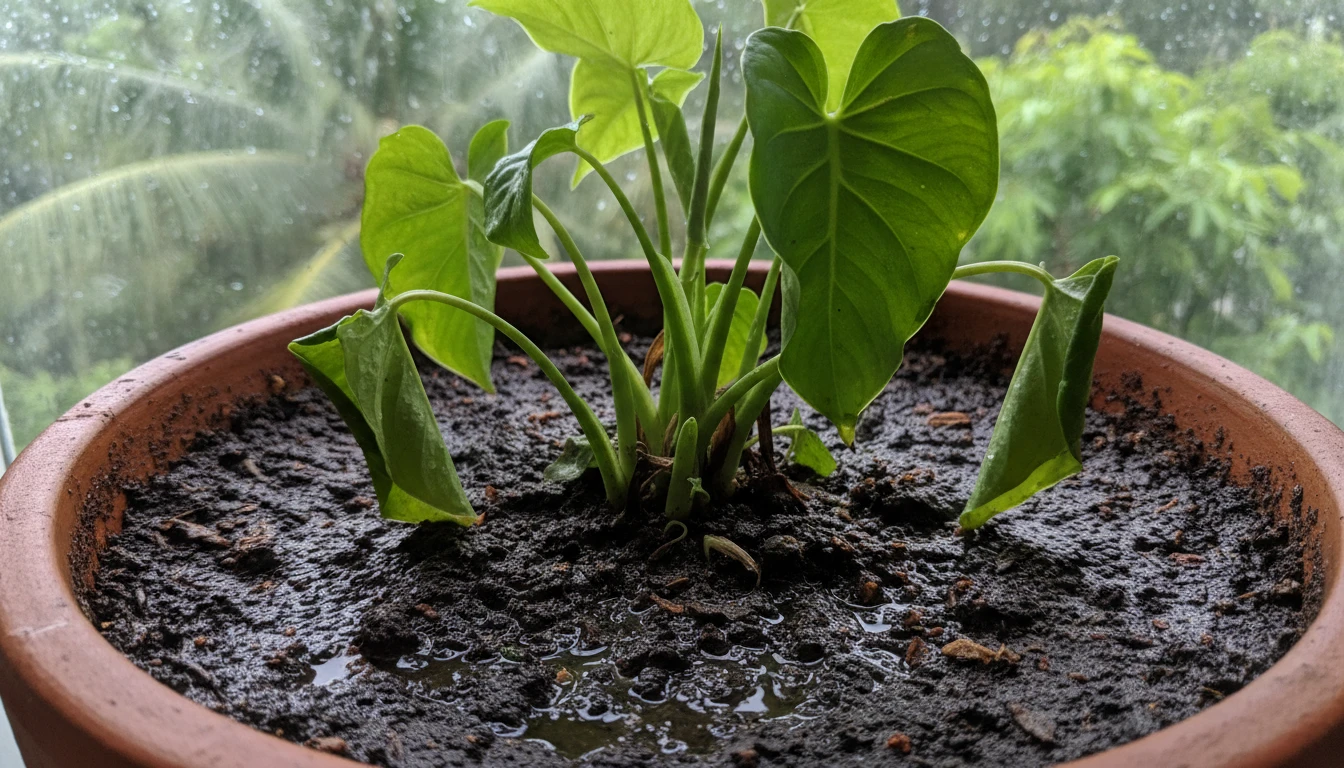
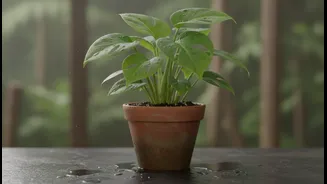
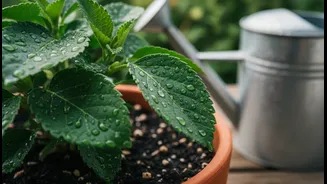
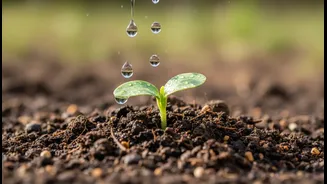
During the monsoon, it's easy to assume your plants are getting all the water they need from rainfall. A quick glance at the dark, damp topsoil seems to confirm this. However, this is often a misleading indicator. The top inch of soil can be wet from a brief
shower or high humidity, while the root zone, several inches below, remains dry. Conversely, balconies or sheltered spots might not get any rain at all, leaving plants thirsty despite the downpour outside. Relying on surface appearance alone can lead to either under or overwatering, both of which stress your plants. Daily watering schedules should be abandoned in favour of observation. Your plants don't need water just because it rained; they need it when their roots are actually dry.
The Hidden Danger of Overwatering
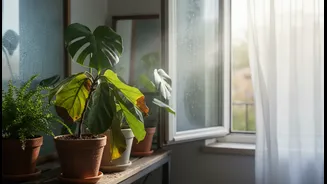
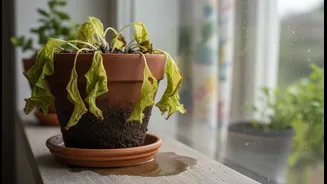
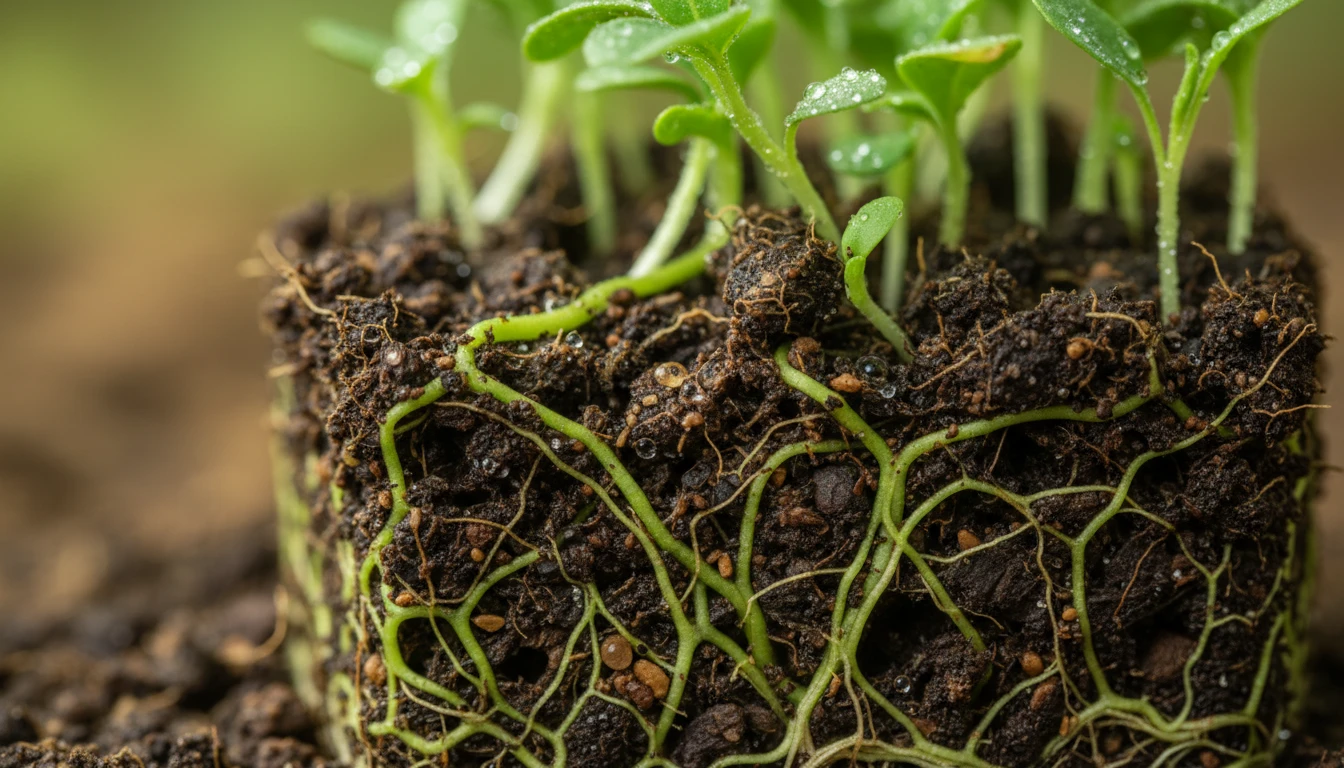
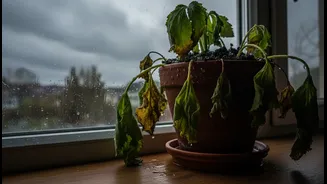
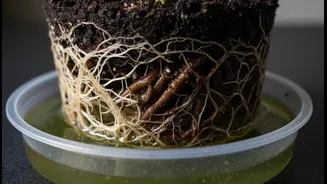
Overwatering is one of the biggest threats to garden plants during the monsoon. When soil is constantly saturated, the air pockets that roots need for oxygen are filled with water. This effectively suffocates the roots, preventing them from absorbing nutrients and water, paradoxically causing the plant to wilt as if it's thirsty. This oxygen-deprived, soggy environment is the perfect breeding ground for fungal pathogens that cause root rot. Healthy roots are typically white and firm; rotted roots become brown, black, and mushy, often emitting a foul odour. Other signs of overwatering include yellowing leaves (especially lower ones), stunted growth, and soft stems.
How to Check Soil Moisture Correctly
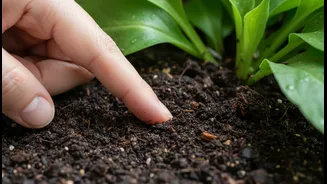
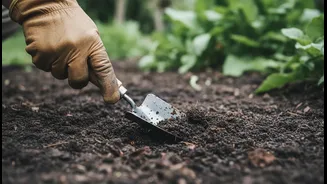
The most reliable way to know if your plants need water is to check the soil where it counts: at the root level. The simplest method is the finger test. Insert your index finger into the soil up to your second knuckle, about two inches deep. If the soil feels moist at that depth, wait to water. If it feels dry, it's time for a drink. For a less messy and deeper check, use a simple wooden stick like a bamboo skewer or a chopstick. Push the skewer several inches into the soil, leave it for a moment, and then pull it out. If it comes out clean and dry, the soil is dry. If it comes out with damp soil clinging to it, there is still plenty of moisture, and you should not water.
Adjusting for Pot Size and Plant Type
Not all plants are created equal, and their watering needs reflect that. The depth you need to check depends on the size of the pot and the type of plant. For small pots, a two-inch check is usually sufficient. For larger planters, you may need to check deeper, around 4-6 inches, to gauge the moisture level accurately. Furthermore, different plants have different water requirements. Cacti and succulents, for example, prefer their soil to dry out completely between waterings and are extremely susceptible to root rot in the monsoon. Flowering and fruiting plants might need more consistent moisture but are still at risk from waterlogged soil. It's crucial to understand the specific needs of each plant in your garden and adjust your watering practices accordingly, especially during the high-humidity, low-sunlight days of the monsoon.
Monsoon Care Beyond Watering
While correct watering is vital, a few other adjustments can help your plants flourish during the rainy season. First, ensure excellent drainage. Terracotta pots are often better than plastic as they are porous and allow excess moisture to evaporate. Make sure every pot has drainage holes and isn't sitting in a saucer full of water. Elevating pots on bricks or stands can also improve airflow and drainage. Secondly, water the soil, not the leaves. Wet foliage encourages fungal diseases like powdery mildew. Finally, go easy on the fertilizer. Excess nutrients combined with constantly wet soil can burn the roots. Opt for organic options like compost during a dry spell.