







Rethinking the Role of Bread
Contrary to popular belief, the Mediterranean diet is not a strict, low-carb plan. Instead, it’s an eating pattern rich in fruits, vegetables, nuts, legumes, and healthy fats like olive oil. Far from being banned, bread has traditionally been a staple
in Mediterranean countries, often served with meals to soak up delicious stews or olive oil. The focus isn't on eliminating food groups but on the quality and balance of what you eat. Carbohydrates are the body's primary energy source, and whole grains are a key component of this healthy lifestyle. The trick is to be selective about the kind of bread you place in your basket and on your plate.
Choose Your Loaf Wisely
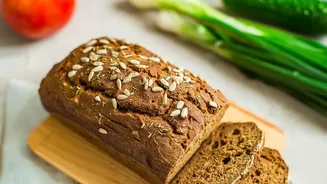
The key distinction lies between refined white bread and whole-grain varieties. White bread is made from flour that has had its bran and germ removed, stripping away much of the fibre, vitamins, and minerals. In contrast, whole-grain bread is made from flour that keeps all parts of the grain intact, offering significant health benefits. When shopping, look for labels that state "100% whole wheat" or "100% whole grain." Breads made from rye, barley, oats, and spelt are also excellent choices. These varieties are higher in fibre, which aids digestion, helps stabilize blood sugar levels, and keeps you feeling full for longer, reducing the risk of overeating.
The Sourdough Advantage
Sourdough bread deserves a special mention. Traditionally made with just flour, water, and salt, it relies on a fermented starter of wild yeast and bacteria. This fermentation process can make the bread easier to digest. Some studies suggest that whole-grain sourdough has a lower glycemic index compared to other breads, meaning it causes a slower, more gradual rise in blood sugar. Its simple ingredient list also means you’re often avoiding the added sugars and preservatives found in many commercially produced loaves. For the most benefit, opt for a whole-wheat sourdough to combine the advantages of whole grains and natural fermentation.
It’s All About the Company It Keeps
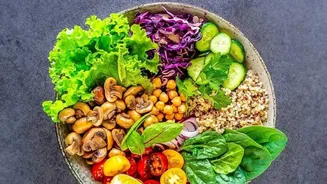
How you eat your bread is just as important as the type you choose. In the Mediterranean style, bread is rarely the main event but rather an accompaniment. Instead of slathering a slice with butter or pairing it with processed meats, think of it as a vehicle for other nutrient-dense foods. Dip it in extra virgin olive oil, top it with mashed avocado and a sprinkle of seeds, or serve it alongside a large salad or a hearty bean soup. By pairing bread with healthy fats, lean proteins, and plenty of vegetables, you create a balanced meal that slows digestion and enhances nutrient absorption, perfectly aligning with the diet's core principles.
Mindful Portions Matter
Even with the healthiest bread, moderation is essential. The Mediterranean diet encourages enjoying food, not consuming it in excess. A typical serving might be one or two slices with a meal. Rather than making a giant sandwich the centerpiece, think of a slice of whole-grain toast as part of a larger, more diverse plate filled with vegetables, legumes, and perhaps a piece of fish. This approach ensures you get the energy and fibre from the grains without displacing other crucial nutrients. It's about integrating bread into a broader pattern of wholesome eating, not letting it dominate your plate.