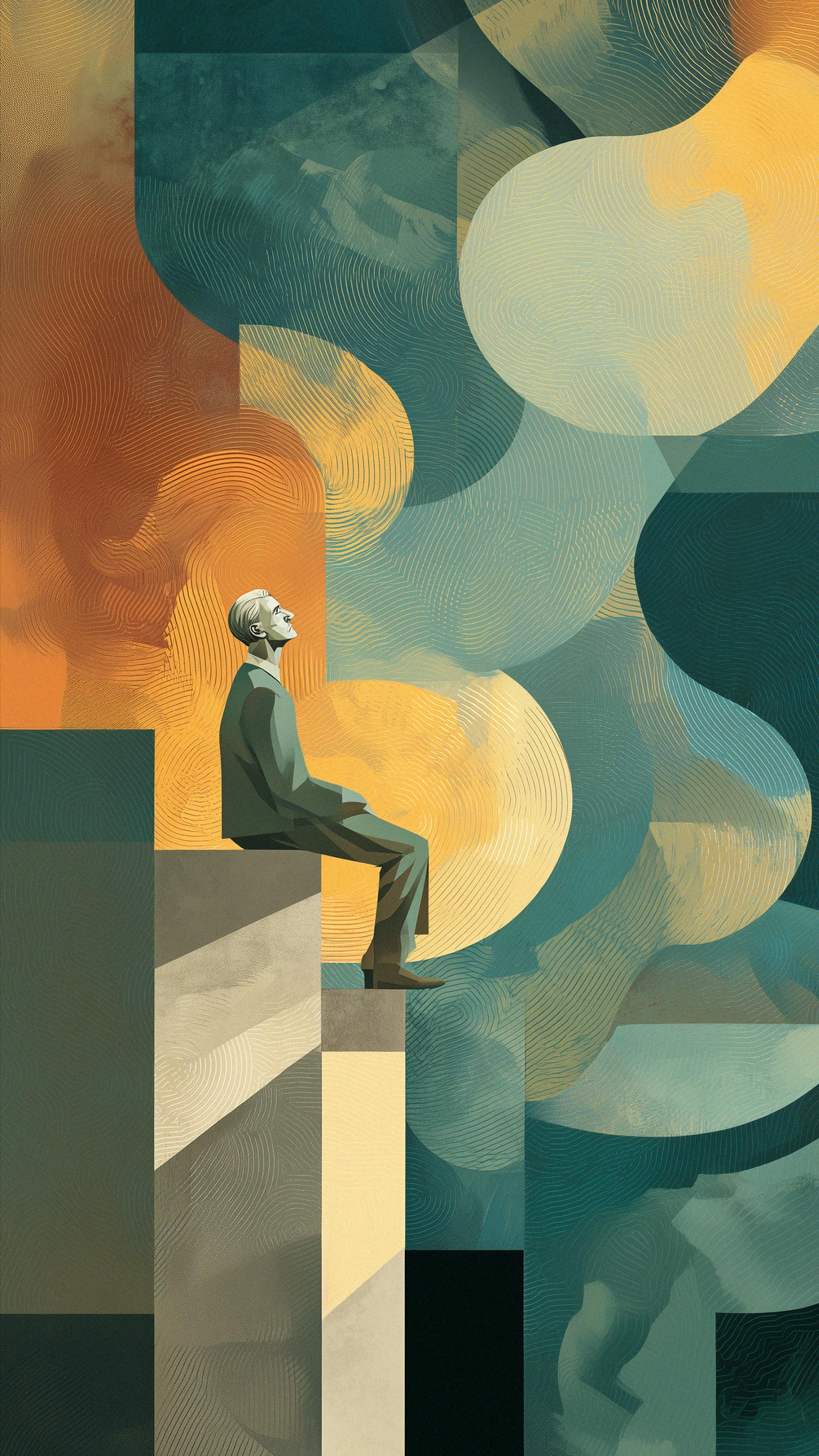








The Paradox of an Open Shelf
Imagine an empty bookshelf. Its potential seems limitless. Now, imagine filling it with every book you come across, regardless of interest or quality. Soon, it becomes a chaotic, overwhelming mess. This is a powerful metaphor for modern life. We are constantly
presented with choices: what to buy, what to watch, where to work, how to spend our time. The common belief is that more choice equals more freedom and happiness. However, psychologists have identified a phenomenon known as the 'paradox of choice'. Coined by author Barry Schwartz, it suggests that an overabundance of options can lead to paralysis, anxiety, and dissatisfaction. Instead of feeling empowered, we feel stressed. The sheer volume of decisions we must make, from the trivial to the life-altering, leads to what is known as 'decision fatigue', draining our mental energy and making it harder to make wise choices as the day goes on.
Curating Your Physical World
The most literal application of this philosophy is in our homes. Clutter is more than just physical untidiness; research shows it has a measurable impact on our mental health. Messy environments can increase levels of the stress hormone cortisol, trigger anxiety, and reduce our ability to focus. Our brain treats every object in our field of vision as a piece of information that needs to be processed, creating a constant, low-level cognitive load. The solution isn’t about sterile, empty rooms, but about intentional curation. The minimalist movement champions this idea, suggesting we should only own things that serve a purpose or bring us genuine joy. This isn't about deprivation, but about making space for what truly matters. Adopting a 'one in, one out' rule or regularly asking if an item adds value to your life can transform your home from a source of stress into a sanctuary of peace and clarity.
Decluttering Your Digital Life
Our digital 'shelves' are often more cluttered than our physical ones. Think of the endless social media feeds, the inbox with thousands of unread emails, and the streaming services with overwhelming catalogues. Each notification, email, and post is a bid for our attention, fragmenting our focus and contributing to a state of perpetual distraction. Applying the principle of not filling every shelf means being a ruthless curator of your digital life. Unsubscribe from mailing lists that no longer serve you. Mute or unfollow accounts that make you feel anxious or inadequate. Turn off non-essential notifications to reclaim your focus. Instead of passively consuming whatever the algorithm serves you, be intentional about your information diet. Choosing to engage with a few high-quality podcasts or newsletters over an endless stream of digital noise can profoundly improve your mental clarity.
Guarding Your Time and Energy
Perhaps the most important shelves to keep from overflowing are your calendar and your list of commitments. Social pressure and the fear of missing out can lead us to say 'yes' to every invitation, project, and opportunity. While it can feel productive in the short term, this habit leads to a different kind of clutter: a cluttered schedule. This leaves no room for rest, spontaneity, or deep, focused work. Being intentional with your time means recognising that every 'yes' to one thing is an implicit 'no' to something else. Learning to politely decline opportunities that don't align with your core values or goals is not selfish; it is essential for well-being. It’s about choosing depth over breadth—investing your precious time and energy in the people and projects that give you the most meaning, rather than spreading yourself thin across countless superficial engagements.