



A Frightening Reminder Over Asia
On August 4, 2026, an Air India flight from Phuket to Delhi hit a pocket of severe, unexpected turbulence. The aircraft reportedly experienced a sudden drop of about 300 feet, causing chaos in the cabin. In total, 17 people—13 passengers and four crew
members—were injured and required hospital evaluation. Eyewitness accounts describe people who were not wearing seatbelts being thrown against the ceiling before falling back down. The incident, attributed to clear-air turbulence (CAT), serves as a powerful and immediate example of why aviation experts and flight crews are adamant about one simple rule: keep your seatbelt fastened whenever you are seated.
The Invisible Threat in the Sky
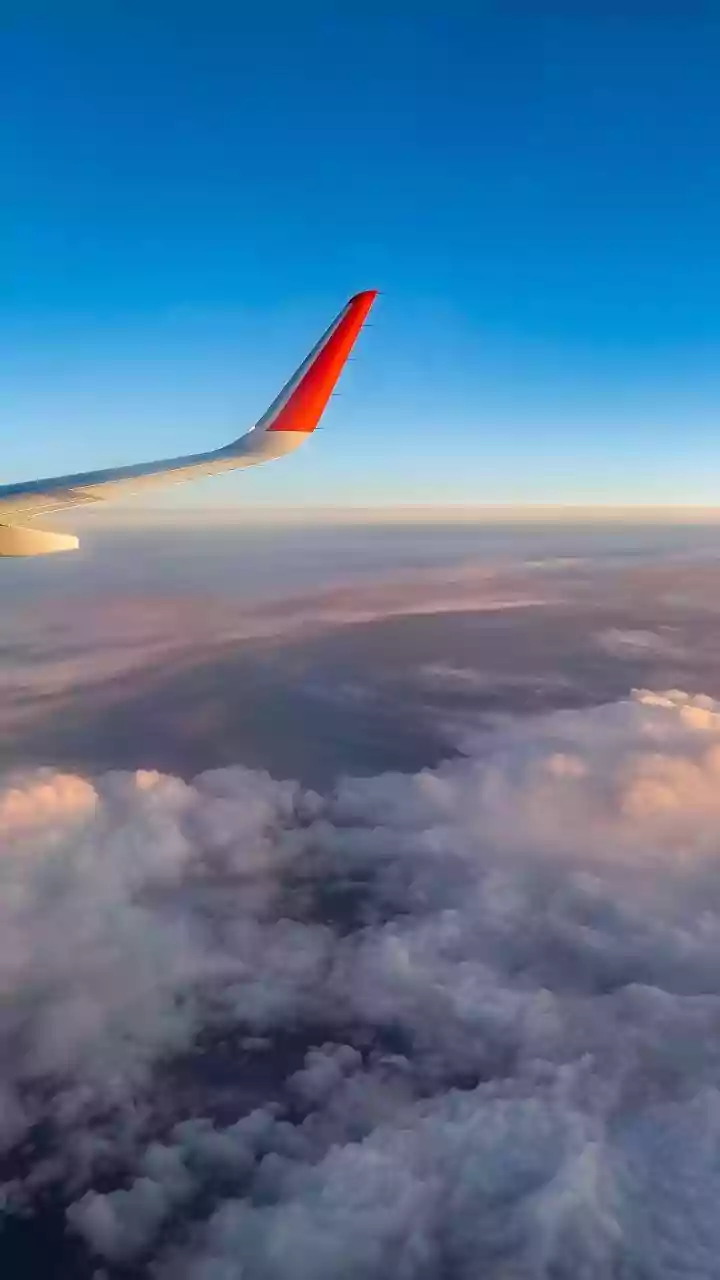
Not all turbulence is created equal. While many associate it with flying through storm clouds, the most dangerous type is often the one you can't see coming. Clear-air turbulence is an invisible hazard that occurs in cloudless skies and cannot be detected by conventional weather radar. It is caused by clashes between air masses moving at different speeds, often near the jet stream. Pilots describe it as something you only know you're in once it has already started. This unpredictability is precisely what makes it so hazardous. Without warning, an aircraft can drop or be violently shaken, turning unbuckled passengers and loose items into dangerous projectiles.
Is Turbulence Getting Worse?
Frequent flyers aren't just imagining it; research confirms that turbulence is becoming more common and more intense. A 2023 study from the University of Reading found that the annual duration of severe clear-air turbulence increased by 55% between 1979 and 2020 over the busy North Atlantic corridor. Scientists point to climate change as the primary driver. As global temperatures rise, they alter the jet streams, increasing the wind shear at cruising altitudes, which in turn generates more turbulence. Experts predict that if current warming trends continue, severe turbulence could double or even triple by 2050.
The Simple Physics of Staying Safe
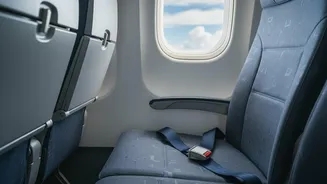
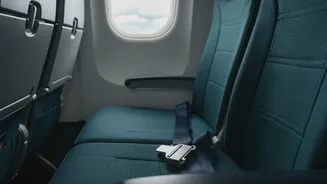
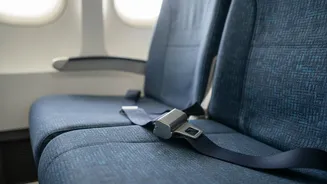
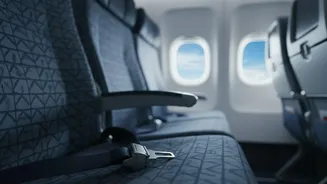
During a severe turbulence event, the danger isn’t from the plane falling out of the sky—modern aircraft are built to withstand incredible forces. The real risk is to the people inside. An unbuckled passenger essentially becomes a free-floating object within the cabin. When the plane drops suddenly, the person inside continues to travel upward relative to the aircraft's interior, often hitting the ceiling with significant force. The Federal Aviation Administration (FAA) consistently reports that the vast majority of turbulence-related injuries happen to people who are not wearing their seatbelts. A simple lap belt anchors you to your seat, ensuring that you move with the plane, not against it. It is the single most effective piece of safety equipment a passenger has direct control over.
Look Beyond the Seatbelt Sign
The illuminated seatbelt sign is a command, not a suggestion. But seasoned travellers and flight crews know that the safest policy is to stay buckled even when the sign is off. Given that the most severe clear-air turbulence can strike without any warning, the moments when passengers are often moving about the cabin—or simply sitting unbuckled after the 'all clear'—are the most vulnerable. The FAA and other global aviation bodies advise keeping your belt fastened whenever seated. Think of the seatbelt sign as the absolute minimum requirement for safety, and your personal decision to stay buckled as the best practice for ensuring you walk off the plane unharmed, no matter what the skies throw your way.