






The International Energy Agency (IEA) has sounded the alarm on global energy markets, warning that a perfect storm of geopolitical conflict and shipping bottlenecks is driving costs to historic highs and threatening supply stability.
What is the IEA's Warning?
The International
Energy Agency (IEA), a key global energy watchdog, has warned that energy markets may not return to normal pre-war conditions in 2027. The primary cause is the severe disruption to global oil and gas supplies stemming from ongoing geopolitical conflicts, particularly in the Middle East. These conflicts have effectively choked key shipping arteries, like the Strait of Hormuz, which handled roughly a quarter of the world's seaborne oil trade. IEA Executive Director Fatih Birol has highlighted the unprecedented influence of geopolitics on energy, stating that supplies are increasingly being used as a political weapon. This has led to extreme price volatility and has created what Birol calls 'the greatest threat to global energy security in history'.
The Heart of the Problem: Shipping Choke Points
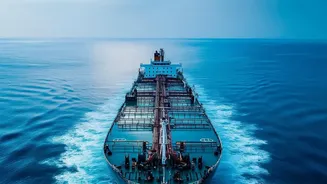
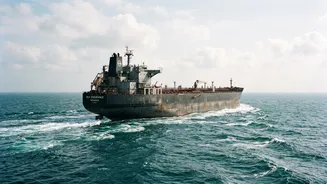
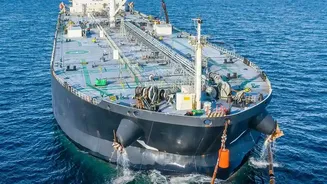
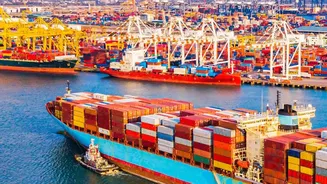
While oil prices at the source are a major factor, the current crisis is being massively amplified by the cost and difficulty of transportation. Tanker rates have surged to historic highs since conflicts escalated. For instance, the cost to ship crude oil from the Middle East Gulf to Asia on a large tanker skyrocketed to over $37 per barrel by mid-October 2026, a more than fivefold increase from pre-conflict levels. These disruptions are not just about avoiding conflict zones. They lead to vessel congestion, forced rerouting of trade flows, and an increased use of time-consuming ship-to-ship transfers. This ties up vessels for longer, reducing the overall number of available tankers and driving freight rates even higher across the board. The pressure has also spilled over into the market for refined products like diesel, as some larger product tankers are being used to carry crude oil instead, tightening capacity everywhere.
The Ripple Effect on Costs
This isn't just an issue for oil traders; the high shipping costs ripple through the entire supply chain, eventually hitting consumers and businesses. The IEA notes that for some refiners, especially in import-heavy regions like Asia, soaring transport costs can erase profit margins entirely. The problem is particularly acute for diesel, which is essential for transport, agriculture, and construction. The IEA's monthly oil market report from October 2026 warned that tight conditions in the diesel market could persist into 2027, primarily due to these supply chain disruptions. With Europe facing its own shortages and competing for the same global supplies, the cost of moving fuel from its origin to where it's needed has become a critical, and expensive, part of the final price.
Why This Matters for India
As the world's second-largest net importer of crude oil in 2023, India is particularly vulnerable to these global shocks. The country's energy security is deeply linked to the stability of international markets and shipping routes. The IEA projects India will be the largest source of global oil demand growth between now and 2030, with crude oil imports expected to rise to 5.8 million barrels per day. This growing dependency means that sustained high shipping costs and supply disruptions directly translate to higher import bills for the nation. This pressure can affect domestic fuel prices, raise inflation, and impact the profitability of key industries that rely on diesel and other petroleum products. While India has been diversifying its crude sources, its role as a key exporter of refined fuels also means that its own operations are tied to the health of global shipping.