





A Dream Decades in the Making
For the first time, the Kashmir Valley has all-weather railway connectivity to the rest of India. The ambitious 272-km Udhampur-Srinagar-Baramulla Rail Link (USBRL) project has been fully commissioned, marking a historic achievement in Indian engineering.
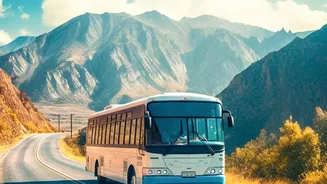
The project, which faced immense geological and weather-related challenges, now connects Jammu and Kashmir's districts of Udhampur, Reasi, Ramban, and Baramulla, among others, to the national network. This provides a reliable alternative to the often-treacherous road journey, which can be blocked by snow and landslides. The travel time between Katra and Srinagar has been drastically cut to about three hours, a journey that previously took a full day by road.
Engineering Against the Odds
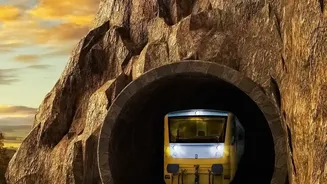
Constructing a railway line through the young, fragile Himalayan mountains is a monumental task. The USBRL is a testament to modern engineering, featuring incredible structures that have become landmarks in their own right. The most spectacular of these is the Chenab Rail Bridge. Standing 359 metres above the riverbed, it is the world's highest railway bridge, soaring even taller than the Eiffel Tower. This colossal steel and concrete arch bridge spans a vast gorge in the Reasi district and is designed to withstand high-speed winds and challenging seismic conditions. Another key feature is the Anji Khad Bridge, India’s first cable-stayed railway bridge, an asymmetrical marvel supported by a single, massive pylon. The route also navigates through numerous tunnels, including one of India's longest transportation tunnels, burrowing through the Pir Panjal range.
A Window to Himalayan Grandeur
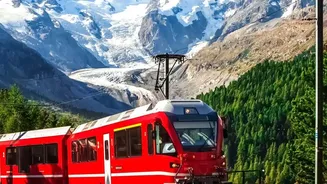
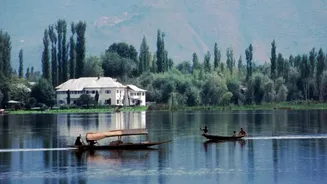
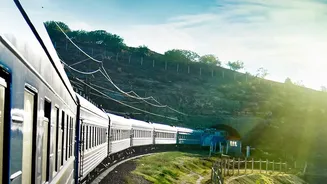
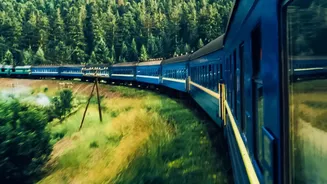
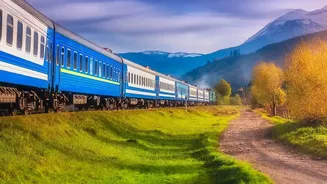
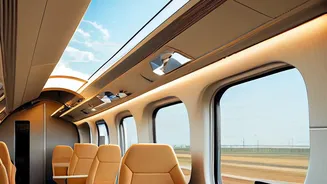
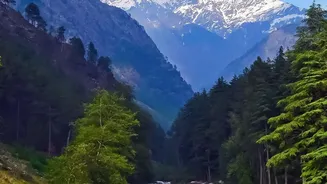
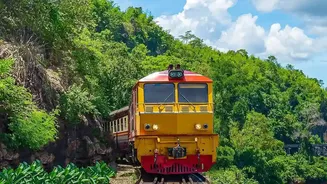
While the engineering is awe-inspiring, the true magic of this journey lies in the scenery. As the train snakes its way from the plains of Jammu towards the heart of the valley, passengers are treated to a visual feast. The journey across the Chenab Bridge offers unparalleled, panoramic views of the river flowing far below, cradled by steep, rugged cliffs. The route between Banihal and Baramulla is already famed for its stunning beauty, with views of snow-dusted peaks, lush green meadows, and charming hillside villages. With the final sections now complete, the entire journey provides a constantly changing canvas of Himalayan landscapes. Large windows on modern trains, including the specially designed Vande Bharat Express services, ensure that passengers have an immersive experience, making the journey itself a destination.
More Than Just a Scenic Ride
The impact of the USBRL extends far beyond tourism. This all-weather link is a lifeline for the region's economy. Farmers and artisans now have a faster, more reliable way to transport their goods, such as apples, dry fruits, and pashmina shawls, to markets across the country. This improved connectivity is expected to boost trade, create new economic opportunities, and support small and medium enterprises. For the people of Jammu and Kashmir, the railway provides safer and more dependable travel for work, education, and family visits, especially during the harsh winter months. By connecting communities and commerce, the rail link is set to drive socio-economic development across the region.