




The Heart of the Matter: Talc and Asbestos
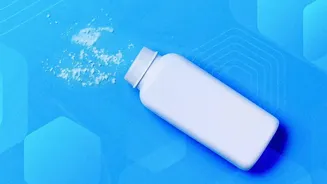
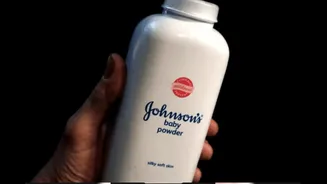
The core of the dispute lies in the product's primary ingredient: talc. Talc is a naturally occurring mineral prized for its ability to absorb moisture and reduce friction. However, talc deposits are often found near asbestos, a known carcinogen that
can cause mesothelioma and other cancers when its fibres are inhaled or ingested. For decades, plaintiffs have alleged that the talc used in J&J's products was contaminated with asbestos, a claim the company has consistently denied. Internal records, however, have been revealed in court showing the company was aware of asbestos contamination from as early as the 1970s but did not report these findings to regulators.
The Science and the Lawsuits
The scientific community has debated the link between cosmetic talc and cancer. While some studies suggest a connection, particularly to ovarian cancer with perineal use, others have found no definitive link, especially with asbestos-free talc. The World Health Organization has classified asbestos-contaminated talc as carcinogenic to humans. This uncertainty fueled a legal firestorm. Starting in the 2010s, lawsuits against J&J began to mount, with plaintiffs alleging the company's baby powder caused their ovarian cancer or mesothelioma. This resulted in tens of thousands of cases and some staggering verdicts, including a $2.1 billion award to 22 women in 2018.
A Controversial Legal Strategy
Facing an avalanche of litigation, Johnson & Johnson executed a controversial legal maneuver known as the "Texas two-step." In 2021, it created a new subsidiary, LTL Management, and transferred all its talc-related liabilities to it. LTL then immediately filed for bankruptcy, a move intended to halt the thousands of individual lawsuits and force claimants into a consolidated settlement process. However, courts repeatedly rejected this strategy, ruling that the subsidiary was not in the kind of financial distress required for bankruptcy protection, especially since it was backed by the financial might of J&J. After three failed bankruptcy attempts, the last of which included a proposed $8.9 billion settlement, the company had to face the lawsuits in court again.
The Shift from Courtroom to Settlement
Despite its public insistence that its products were safe and the claims lacked scientific merit, J&J eventually pivoted its strategy. In May 2020, the company stopped selling its talc-based baby powder in the U.S. and Canada, citing declining sales due to what it called "misinformation." It ended global sales in 2023, transitioning to a cornstarch-based formula. After years of fighting cases individually and its bankruptcy strategy failing, the mounting legal costs and reputational damage likely pushed the company toward a comprehensive resolution.
The Proposed $5.5 Billion Agreement
In July 2026, Johnson & Johnson announced it had offered a $5.5 billion settlement to resolve the vast majority of the remaining talc lawsuits in the United States. The proposal aims to settle an estimated 76,000 claims, primarily related to ovarian cancer. This deal, reached through direct negotiations with plaintiffs' lawyers, is a significant departure from the failed bankruptcy attempts. However, the settlement is not yet final; it is conditional on at least 95% of the claimants agreeing to the terms. If the threshold is met, it would mark the beginning of the end for one of the largest product liability battles in corporate history, providing compensation to thousands of families who have waited years for resolution.