





An Unprecedented Rush
The allure of crisp mountain air and scenic vistas has become stronger than ever, especially as scorching heatwaves drive city dwellers to seek refuge in cooler climates. Post-pandemic, a surge in domestic tourism has seen visitor numbers swell to record
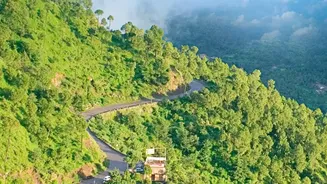
levels. In 2025, Himachal Pradesh recorded over three crore tourists, a massive jump from previous years. Popular towns like Mussoorie and its quieter neighbour, Landour, saw over two million visitors in 2024, a stark increase from one million in 2020. This exponential growth, fueled by improved road connectivity and the rise of social media travel trends, has turned once-peaceful towns into bustling, congested hubs. The journey itself, once a scenic drive, can now take double the time, with vehicles clogging narrow mountain roads for hours on end.
Paradise Under Pressure
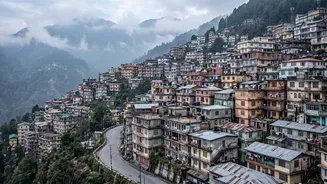
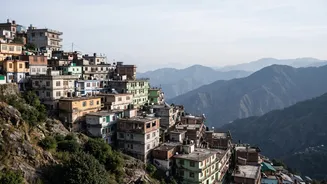
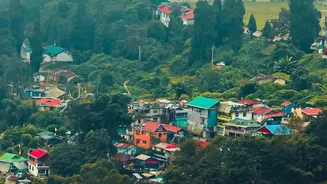
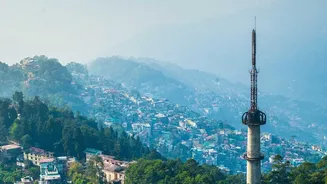
This flood of humanity is pushing these fragile ecosystems to their breaking point. The 'charm' that defined these destinations—colonial architecture, quiet walking trails, and pristine nature—is rapidly eroding under the weight of commercialisation. Endless traffic, overflowing garbage bins, and the constant noise of construction have replaced birdsong and tranquility. The very infrastructure of these towns is buckling. Shimla, a town originally built for 30,000 residents, now supports a population of nearly 300,000, leading to acute water shortages, especially during peak tourist seasons. Unplanned and often illegal construction of hotels and resorts leads to deforestation and destabilises hillsides, increasing the risk of landslides. The waste left behind by millions of visitors chokes rivers and forests, with plastic bottles and food wrappers becoming a common sight on trekking trails.
Exceeding the Carrying Capacity
Experts argue that these hill stations have far exceeded their 'carrying capacity'—the maximum number of people an environment can sustain without significant degradation. The issue isn't tourism itself, but the sheer, unregulated volume. This has led to environmental consequences like water scarcity and pollution, and social issues, including a rising cost of living for locals and the erosion of authentic culture. The problem is so acute that the central government has supported assessing the carrying capacity of hill stations across all 13 Himalayan states to help form policy. The visible strain—from traffic jams to water crises—signals that a critical tipping point has been reached.
The Search for Solutions
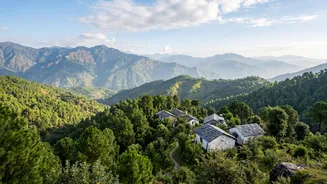
Recognising the crisis, authorities are beginning to explore solutions. Some measures include introducing limits on the number of vehicles entering sensitive areas, as seen in Landour. There is a growing focus on promoting sustainable and responsible tourism. States like Uttarakhand are developing new eco-tourism hubs in lesser-known forest areas to distribute the tourist load and provide unique nature-based experiences like trekking and bird watching. These initiatives aim to shift the focus from mass tourism to more sustainable models that protect the environment and benefit local communities. Experts suggest that a combination of stricter regulations, visitor caps, improved waste management, and promoting off-peak travel is essential to manage the tourist tide.