





More Than Just a Novelty
Walking backward, also known as retro-walking, is gaining attention as a low-impact exercise with a high reward. While it may seem like a social media trend, the practice has roots in ancient martial arts like Tai Chi and has been used in physical therapy
for decades to help with rehabilitation. The core idea is simple: by reversing our most natural movement, we challenge our bodies and minds in new ways. This novelty forces us to be more present and engaged, turning a simple walk into a more mindful and physically demanding activity. It’s a form of cross-training for walkers, breaking the monotony and preventing the overuse of the same muscles day after day.
The Physical Payoffs
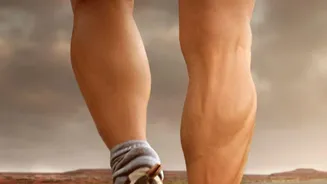
When you walk forward, your body is on autopilot. Walking backward changes everything. It shifts the muscle engagement, forcing your quadriceps, glutes, and hip flexors to work harder than they do during a forward stride. This can help build balanced strength and improve posture, as retro-walking encourages you to stand more upright. Studies suggest it can also be gentler on the knees. The motion of landing on your toe and rolling to your heel reduces the compressive force on the knee joint, making it a valuable exercise for those with knee pain or osteoarthritis. Furthermore, research indicates that walking backward can burn significantly more calories—up to 40% more—than walking forward at a brisk pace, as your body has to work harder to perform the unfamiliar movement.
A Workout for Your Brain
The benefits aren't just physical. Because you can't see where you're going, your brain has to work overtime. This enhances body awareness, coordination, and balance. Your brain must process sensory information more carefully to maintain stability, which sharpens your proprioception—your sense of where your body is in space. Some studies have even found a link between backward movement and improved short-term memory and cognitive control. The increased concentration required activates the prefrontal cortex, the part of the brain responsible for problem-solving and decision-making. It’s a simple way to keep your mind sharp while challenging your body.
How to Start Walking Backwards Safely
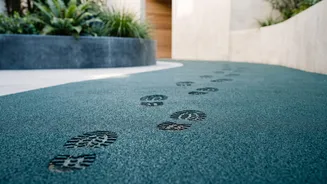
Safety is paramount when trying this new exercise. Start in a controlled, obstacle-free environment. A treadmill with handrails is often considered the safest place to begin, as you can control the speed and have support. If you're outdoors, choose a smooth, flat surface like a running track or an empty hallway where you won't trip over unseen obstacles. Begin slowly, at a pace much slower than your normal walk. Focus on your form: stand tall, keep your back straight, and land on the ball of your foot before rolling back to your heel. It's natural to want to look over your shoulder, but try to resist twisting your body too much, as this can throw you off balance. Brief, occasional glances are better.
How Much Is Enough?
You don't need to spend your entire workout in reverse. Experts suggest that incorporating backward walking in small doses is highly effective. Start by adding one- to two-minute intervals of retro-walking into your regular walk. As you become more comfortable, you can gradually increase the duration. Many studies showing benefits have participants walking backward for just 10 to 15 minutes, three times a week. Think of it as a warm-up, a cool-down, or short bursts to break up your forward movement. The goal is to complement your existing fitness routine, not to overhaul it completely. Even a few minutes can provide the novel stimulus your body and brain need.