







How Does a Hydrogen Train Work?
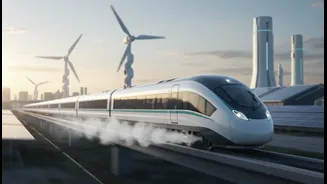
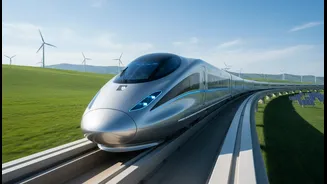
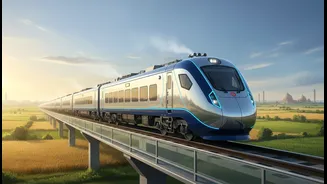
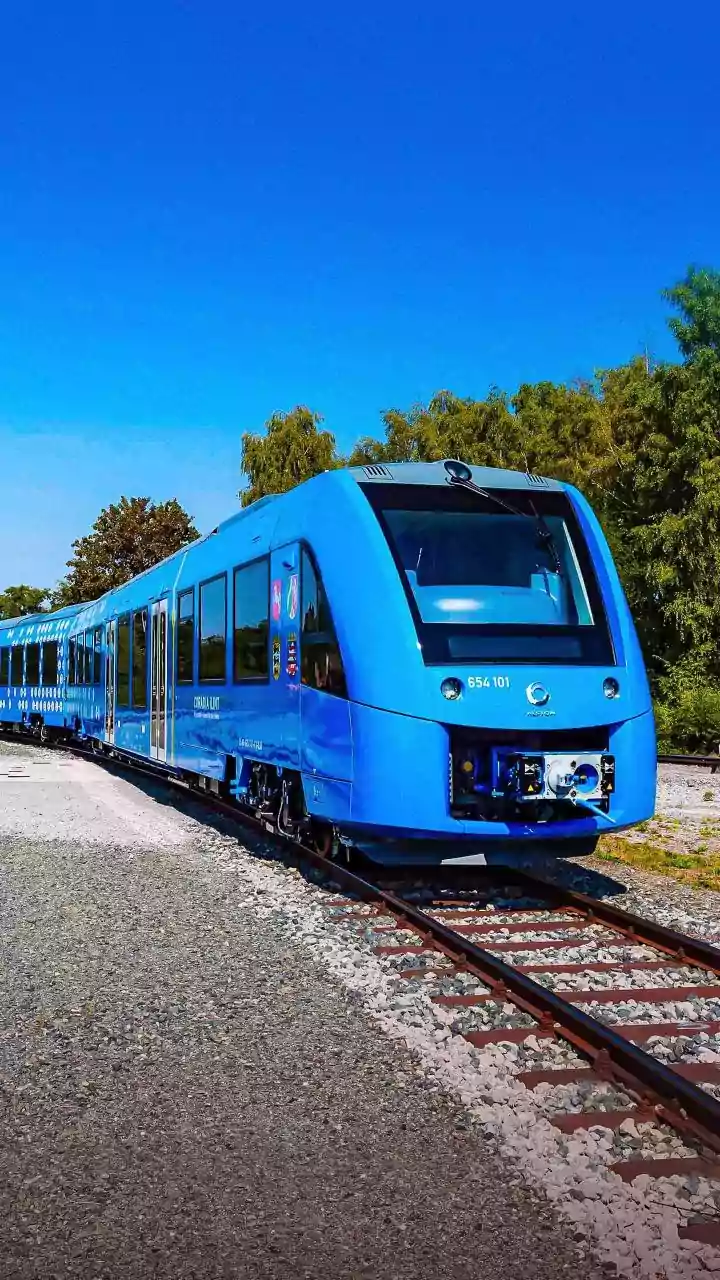
At its heart, a hydrogen train is an electric train that carries its own power plant. Instead of drawing electricity from overhead wires, it uses a fuel cell to create power on board. Inside the fuel cell, compressed hydrogen stored in tanks reacts with
oxygen taken from the air. This electrochemical reaction generates electricity to power the motors, with the only by-products being heat and pure water vapour. Any excess electricity is stored in batteries to provide a power boost when accelerating. This process eliminates the tailpipe emissions of harmful gases like carbon dioxide and nitrogen oxides that are associated with diesel engines, making it a significantly cleaner alternative for non-electrified routes.
India’s Inaugural Hydrogen Service
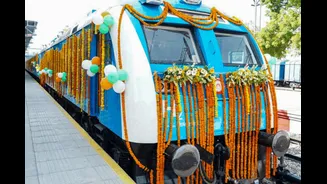
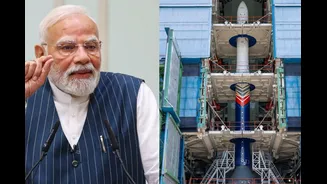
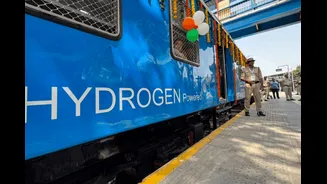
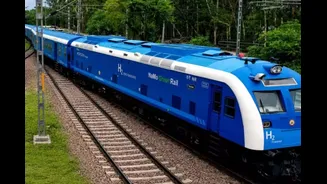
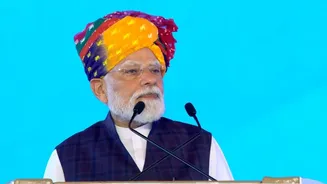
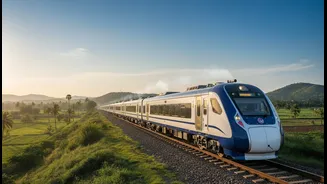
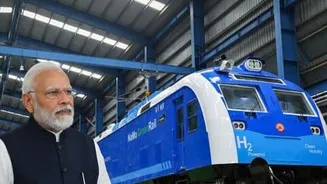
On July 17, 2026, India officially joined a select group of nations, including Germany and China, by launching its first hydrogen-powered passenger train. Prime Minister Narendra Modi flagged off the inaugural journey of the train, named the NaMo Green Rail, in Haryana. The service operates on an 89-kilometre stretch between Jind and Sonipat, serving 12 stations along the route. The 10-coach train can carry approximately 2,600 passengers and runs at an operational speed of 75 kilometres per hour. This pilot project, developed largely in India, is a major step in testing the viability and reliability of hydrogen technology within the country's massive railway network.
A Leap for 'Make in India' and Green Goals
The launch is a significant milestone for India’s self-reliance initiatives and its ambitious climate targets. While some key components like the fuel cells were imported, the train was largely designed and integrated in India, with Hyderabad-based Medha Servo Drives handling the technology integration. The project is a cornerstone of the 'Hydrogen for Heritage' initiative, which aims to introduce clean-energy trains on scenic and ecologically sensitive routes. Following this pilot, Indian Railways plans to deploy similar trains on the Kalka-Shimla heritage line. This aligns with India's broader goal to achieve net-zero emissions by 2070 and for its railway network to be net-zero by 2030.
The Road Ahead: Challenges and Potential
Despite the successful launch, the journey for hydrogen trains in India has its hurdles. The primary challenge is cost; producing 'green' hydrogen through electrolysis is currently much more expensive than using diesel or electricity. The initial cost of the pilot project was around $12 million, significantly higher than a conventional service, though costs are expected to decrease as the technology matures. Building the necessary infrastructure, such as the dedicated hydrogen production and refuelling facility established in Jind, requires substantial investment. Furthermore, ensuring the safe handling and storage of highly flammable hydrogen gas requires strict protocols and advanced safety systems, which have been incorporated into the design. For now, hydrogen trains are seen as a strategic solution for routes where electrification is difficult, rather than a replacement for the country's already vast electric network.