
A Vision of Speed and Connectivity
At the heart of India's high-speed ambition is the Mumbai-Ahmedabad High-Speed Rail (MAHSR) corridor. Spanning a distance of 508 kilometres, this landmark project aims to connect the two financial hubs in under two hours, a drastic reduction from the current
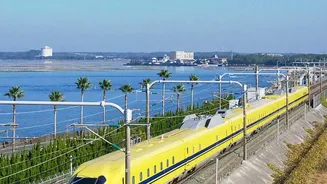
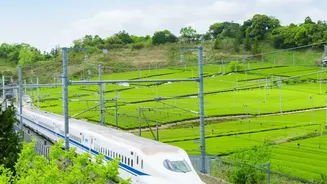
six-plus hours by train. The project, which was initiated in 2017, is being developed with technical and financial assistance from Japan, utilising its world-renowned Shinkansen technology. Designed for a maximum speed of 320 kmph, the corridor will feature 12 stations across Maharashtra, Gujarat, and Dadra and Nagar Haveli. For years, it has been a symbol of India's infrastructure aspirations, representing a leap into a new era of travel. Now, that leap is closer than ever.
The Key Development: A 2027 Launch Date
The most significant recent development is the confirmation of a clear timeline for the project's first operational phase. According to recent announcements by Union Railway Minister Ashwini Vaishnaw, the inaugural run of India's first bullet train service is slated for 2027. This initial service will operate on a completed section in Gujarat, with reports pointing to the stretch between Surat and Bilimora or Surat and Vapi. This phased-in approach is a strategic decision, allowing the network to become functional in stages rather than waiting for the entire 508-km line to be finished. This move provides a firm and tangible goal, shifting the project's status from 'in progress' to 'nearing completion' for its first customers.
A 'Make in India' Milestone
Running parallel to the construction progress is a major achievement in indigenous manufacturing. In a significant boost to the 'Atmanirbhar Bharat' mission, the first body frame of an Indian-made bullet train has been completed and sent for crucial squeeze testing. This represents a critical milestone in developing domestic capabilities for high-speed rail technology. The plan is for this indigenous train to be on the tracks for testing by May or June of 2027, undergoing several months of trials before its official inauguration. This dual progress—advances in civil engineering on the ground and breakthroughs in domestic manufacturing—showcases a comprehensive approach to building the ecosystem.
Overcoming Hurdles on the Ground
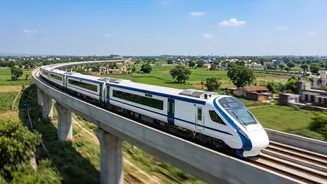
The journey to this point has not been without its challenges. The project has navigated complex issues, including land acquisition delays and intricate engineering problems, such as the construction of 28 steel bridges and numerous river crossings. However, progress is now visibly accelerating. Across Gujarat, elevated viaducts stand complete, station structures are rising, and track-laying work is underway. The completion of civil construction on critical sections like Vapi-Surat is expected by the end of 2026, paving the way for systems integration. These physical structures are the most concrete evidence that the project has overcome initial hurdles and is now firmly in its final execution stages.
The Blueprint for India's Future
The Mumbai-Ahmedabad corridor is more than just a single route; it is the blueprint for a national high-speed rail network. The National High Speed Rail Corporation Limited (NHSRCL) is using the project to create a standardised template for design, construction, and operations that can be replicated across the country. Lessons learned and technologies adopted here, from earthquake detection systems to ballastless tracks, will inform the seven other high-speed corridors that have been proposed, spanning nearly 4,000 kilometres. Furthermore, the project is a significant economic driver, expected to create thousands of direct and indirect jobs and spur development in sectors like cement, steel, and advanced electronics.