



A Tale of the Tape
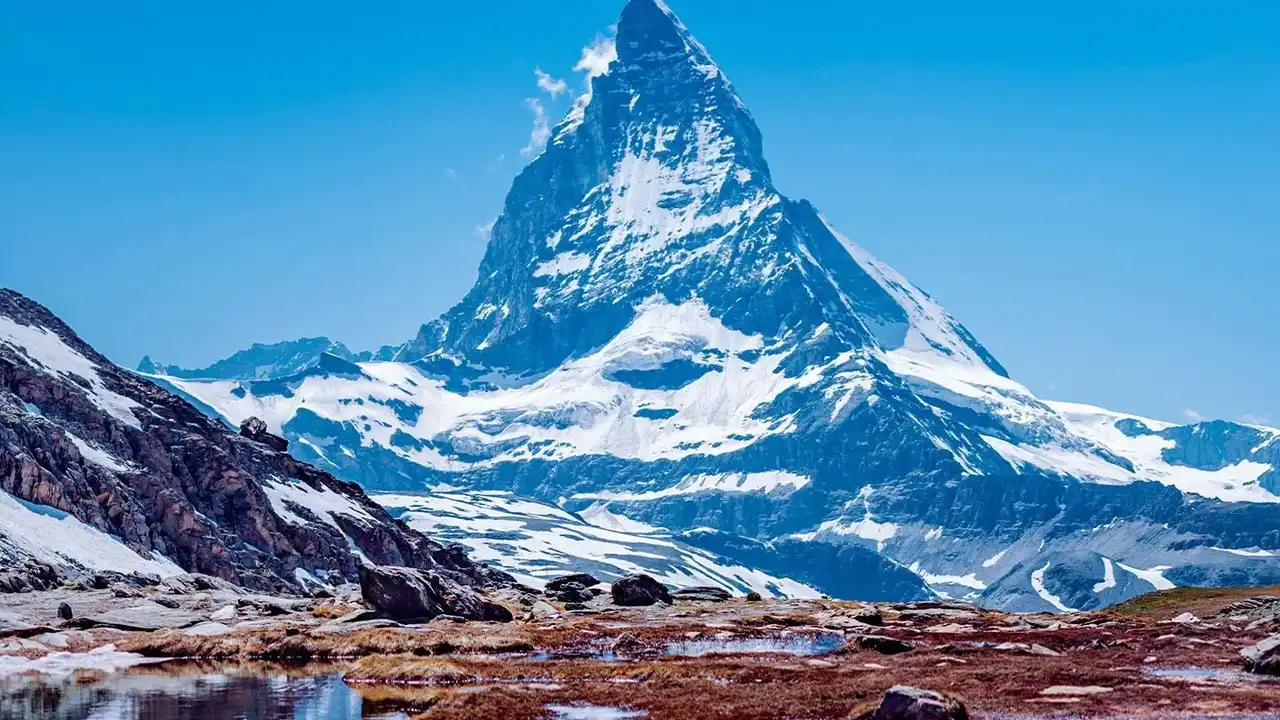
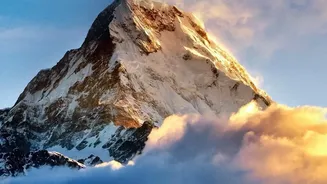
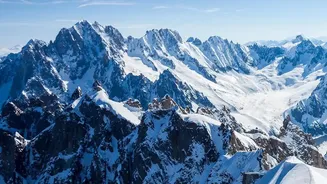
A team of expert surveyors recently revealed that Mont Blanc, the highest peak in the Alps, now stands at 4,807.47 metres. This marks a significant increase of nearly two metres from its measurement of 4,805.59 metres in 2023. For years, the mountain
had been on a slight shrinking trend, with the 2023 reading being one of the lowest in recent memory. This sudden growth spurt has intrigued scientists and the public alike, but the explanation lies not in geology, but in meteorology.
The Real Summit Is Made of Rock
First, it is crucial to understand what is being measured. The rock summit of Mont Blanc is stable, sitting at an altitude of around 4,792 metres. What changes is the thick, perennial cap of ice and snow that covers this rocky peak. This icy dome can vary in thickness by 15 to 20 metres, and its height is what determines the mountain's official altitude. So, while the mountain itself isn't growing, the frosty crown it wears certainly is. As chief surveyor Jean des Garets explained, the summit is 'constantly shifting'.
A Story Written in Snow and Wind
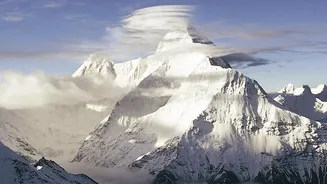
The height of this snow cap is the result of a dynamic battle between two primary forces: precipitation and wind. Winter snowfall adds mass and height, while strong winds, particularly during the summer, can scour the summit, stripping away accumulated snow and lowering the peak. The recent increase in height is attributed to a combination of factors. It is likely that heavier winter snowfall led to greater accumulation, and that summer weather patterns were less windy, allowing more of that snow to remain in place. The 2023 measurement, by contrast, was unusually low, suggesting a year with less precipitation and stronger winds.
How the Measurement Is Taken
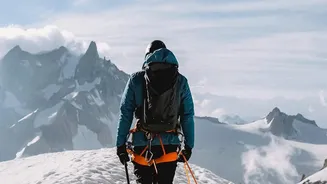
Every two to three years since 2001, a team of surveyors makes the arduous climb to the summit to gather data. They carry about 30 kilograms of high-tech equipment, including high-precision GPS antennas that record satellite signals to determine the exact altitude down to the centimetre. In recent expeditions, drones have also been used to create detailed 3D models of the summit. The team spends hours on the peak, often in freezing temperatures and high winds, to ensure the readings are accurate. This long-term project provides invaluable data for scientists studying the alpine environment.
The Climate Change Question
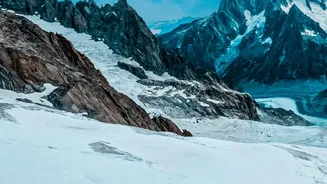
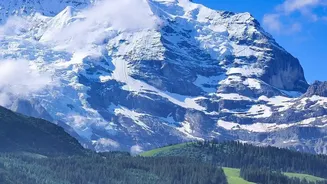
It is tempting to see a growing snow cap as a sign that contradicts the broader narrative of climate change and melting glaciers. However, experts caution against this simple interpretation. While glaciers at lower elevations in the Alps are undeniably retreating at an alarming rate, the conditions at over 4,800 metres are very different. The summit is so high and cold that its ice rarely melts. Therefore, the year-to-year fluctuations are more indicative of short-term weather patterns (annual snowfall and wind) rather than long-term climate trends. Glaciologists stress that an increase in summit altitude does not mean the mountain has gained overall ice mass.