






Two Spices, One Name
Most people don't realise that the cinnamon sold globally isn't one single spice. It primarily comes in two major varieties: Ceylon cinnamon and Cassia cinnamon. Ceylon cinnamon (Cinnamomum verum), which translates to “true cinnamon,” is native to Sri
Lanka and Southern India. It's more expensive and prized for its delicate, sweet, and complex flavour. On the other hand, Cassia cinnamon is the more common and cheaper variety you'll likely find in most supermarkets. It originates from countries like China, Indonesia, and Vietnam and has a stronger, spicier, and more pungent flavour. While Cassia is widely used in Indian cooking, its robust profile is just one part of the story; the other involves a natural chemical compound that warrants a closer look.
The Key Difference: A Compound Called Coumarin
The most critical difference between the two cinnamons lies in a natural flavouring compound called coumarin. While it occurs naturally in many plants, coumarin can be harmful to the liver in high doses. This is where the distinction becomes crucial for your health. Cassia cinnamon contains high levels of coumarin, sometimes as much as 1%, which is 250 times more than Ceylon cinnamon. Ceylon cinnamon contains only trace amounts, often around 0.004%, making it a much safer option for regular or heavy consumption. For this reason, European health agencies have set a tolerable daily intake (TDI) for coumarin at 0.1 milligrams per kilogram of body weight. For an adult weighing 60 kg, a single teaspoon of some cassia powders could exceed this daily safety limit.
The Health Risks of High Coumarin Intake
Consuming large quantities of Cassia cinnamon over a prolonged period can pose health risks, primarily related to liver health. Studies have shown that for a small group of sensitive individuals, high coumarin intake can lead to liver damage, though these effects are typically reversible once consumption stops. People with existing liver conditions are advised to be particularly cautious and should avoid foods and supplements rich in coumarin. While occasional use of Cassia in cooking is unlikely to cause problems for most healthy individuals, those who use cinnamon daily for health benefits—such as for blood sugar management—or in large amounts in their diet should strongly consider which type they are using.
How to Spot the Difference
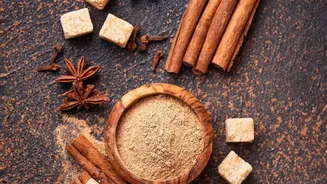
Telling the two cinnamons apart is easy once you know what to look for, especially in their whole stick form. Ceylon cinnamon sticks are light tan-brown and composed of many thin, soft, papery layers rolled together like a cigar. They are fragile and can be easily broken. Cassia cinnamon sticks, in contrast, are dark, reddish-brown, thick, and hard. They consist of a single, hollow layer of bark that is very tough to break. When ground, Cassia powder is typically darker and has a coarser texture, while Ceylon powder is finer and lighter in colour. The aroma is another giveaway: Ceylon is mild and sweet, while Cassia is strong and pungent.
Making the Safer Choice for Your Kitchen
For everyday cooking where cinnamon is used sparingly, the choice may not be critical. However, if you are a frequent user, the switch to Ceylon cinnamon is a simple and effective way to minimise any potential health risks. Its milder, more nuanced flavour is perfect for desserts, beverages, and dishes where you want a subtle warmth without an overpowering spice note. Cassia's bold flavour still has its place in robust meat dishes or spice blends where it needs to stand out. Ultimately, being an informed consumer is key. By reading labels and learning to identify the sticks, you can make the best choice for your health and culinary needs, ensuring you enjoy all the benefits of this wonderful spice without the worry.