



What 'Gut-Friendly' Really Means
The term 'gut-friendly' is everywhere, but what does it mean for your dinner plate? It’s less about miracle foods and more about creating a balanced environment for the trillions of microbes in your digestive system, collectively known as your gut microbiome.
A healthy microbiome is linked to better digestion, immune function, and more. Supporting it comes down to two key dietary components: prebiotics and probiotics. Prebiotics are types of fibre found in plant foods like vegetables, fruits, and whole grains. Your body can't digest them, so they travel to your colon, where they become food for your beneficial gut bacteria. Probiotics are live, beneficial microorganisms found in fermented foods like yogurt, kefir, and kimchi. They can add to the community of good microbes in your gut. A truly gut-friendly meal, therefore, isn't about restriction; it's about including a variety of these fibre-rich and fermented foods.
The Three Pillars of a Gut-Supportive Plate
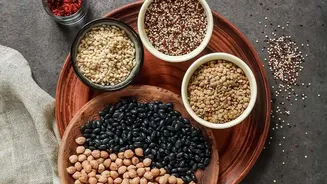
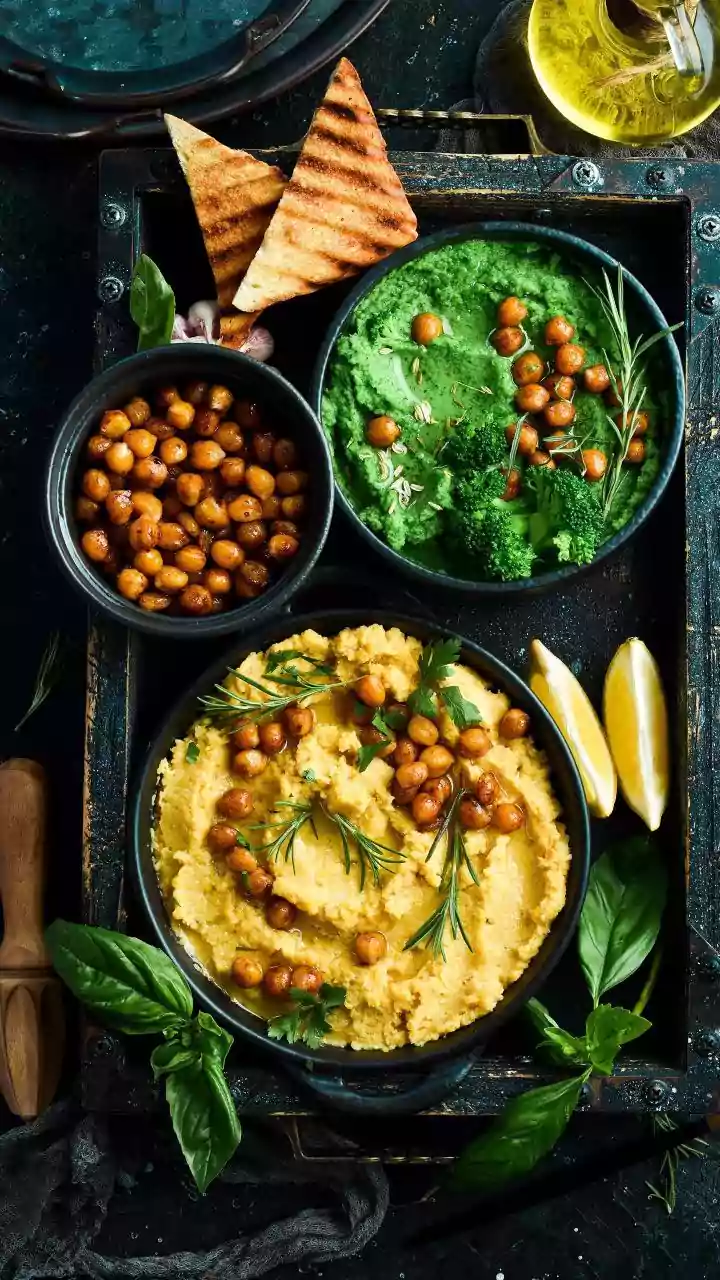
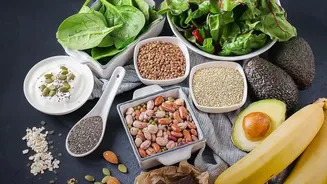
Building a better dinner is simple when you think in terms of three core pillars. First, prioritise fibre-rich foods. These include vegetables like broccoli and carrots, leafy greens like spinach, legumes such as lentils and chickpeas, and whole grains like oats and quinoa. Fibre helps promote regularity and fuels the good bacteria in your gut. Second, incorporate a source of fermented foods. This doesn't need to be complicated; a spoonful of sauerkraut or kimchi alongside your meal, a dollop of plain yogurt, or using miso paste in a glaze can add beneficial microbes. The third pillar is adequate protein. Protein is crucial for feeling full and satisfied after a meal and for muscle maintenance. By combining these three elements, you create a meal that is not only nutritious but also supportive of your overall digestive wellness.
Hitting the 20g Protein Target
Aiming for around 20 grams of protein at dinner helps ensure your meal is satiating and balanced. This target is more achievable than it sounds and can be met through both animal and plant-based sources. For example, a 100g serving of cooked chicken breast or salmon provides about 20-22g of protein. Three large eggs contain roughly 20g of protein. On the vegetarian front, 100g of paneer or about 200g of Greek yogurt each deliver around 20g of protein. Combining plant-based sources is also effective; for instance, a cup and a half of cooked lentils or chickpeas gets you close to the 20g mark. A serving of tofu (around 225g) is another excellent option. Focusing on including one of these protein portions in your dinner makes it easy to build a fulfilling and structurally sound meal.
Meal Frameworks: Putting It All Together
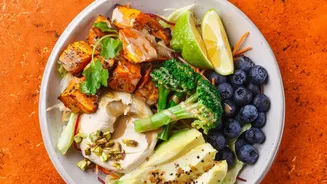
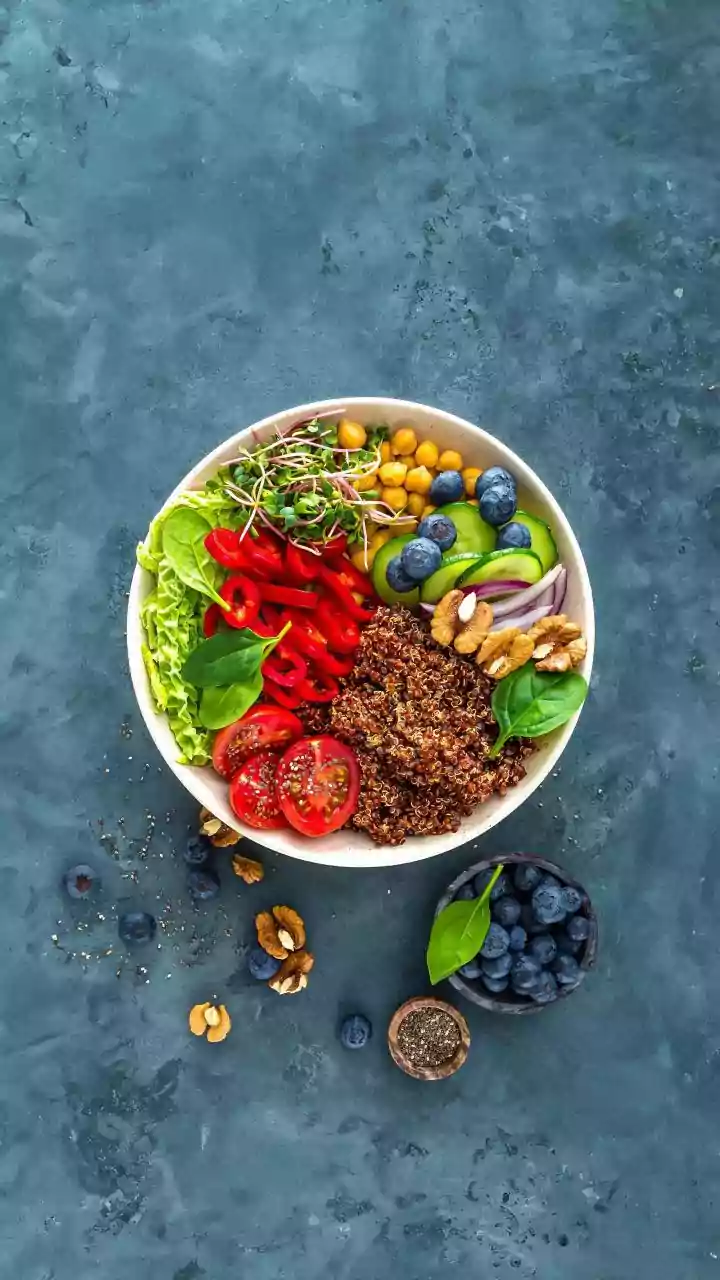
Instead of rigid recipes, think in terms of flexible frameworks. This approach allows you to use what you have on hand while still building a gut-friendly plate. A 'Grain Bowl' is a perfect example: start with a whole-grain base like quinoa or brown rice, add a protein source like grilled chicken or roasted chickpeas, load up on roasted vegetables for fibre, and top with a spoonful of kimchi or a drizzle of a miso-based dressing for your fermented element. Another framework is a hearty soup and a side. A lentil and vegetable soup provides both fibre and plant-based protein, which can be paired with a side of plain yogurt or a few slices of sourdough toast. A simple stir-fry is another great option: quickly cook your choice of protein (like tofu or shrimp) with a variety of colourful vegetables, and add a flavourful sauce using miso paste. The goal is to mix and match from the three pillars: protein, fibre, and fermented foods.
Practicality Over Perfection
The journey to better gut health is built on consistency, not perfection. Don't feel pressured to create an elaborate, 'perfectly' constructed meal every single night. Small, consistent additions can make a significant difference over time. Start by adding one gut-supportive food to a meal you already enjoy, like adding a side of sauerkraut to your evening protein or swapping refined grains for whole grains. The most effective diet is one you can stick with long-term. Focusing on whole foods, variety, and meals you genuinely enjoy is a far more sustainable and effective strategy than chasing an unattainable ideal. Listen to your body and remember that the goal is to nourish your gut in a way that feels practical and enjoyable for you.