







From Buzzword to Necessity
For years, “supply chain” was a term confined to business schools and logistics reports. Then came a series of global shocks—a pandemic, geopolitical conflicts, and extreme weather events—that turned this obscure concept into a household concern. Suddenly,
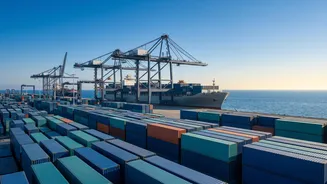
the journey of everything from microchips to medicines became fraught with delays, shortages, and rising costs. These disruptions revealed the fragility of the globalised systems we depend on, making it clear that efficiency had come at the cost of security. India, with its heavy reliance on imported energy, raw materials, and pharmaceutical ingredients, has been particularly vulnerable to these shocks.
India’s Wake-Up Call
Recent events have served as a stark reminder of India’s vulnerabilities. Geopolitical tensions in West Asia and elsewhere have led to sharp increases in shipping costs and delayed payment cycles for Indian exporters, stretching them from 30 days to over 90. This logistical snarl quickly becomes a working capital crisis for businesses, especially small and medium-sized enterprises. Furthermore, India’s dependence on imports for critical inputs—like 85% of its crude oil and up to 70% of pharmaceutical intermediates from China—exposes key sectors like manufacturing, electronics, and healthcare to significant risk. The 2026 BRICS presidency provides India with a platform to address these deep-seated structural issues head-on.
The BRICS Response: A New Framework
Under India's 2026 chairmanship, the BRICS bloc, now expanded to include major energy producers and markets, is focusing on a pragmatic economic agenda. The theme, “Building for Resilience, Innovation, Cooperation, and Sustainability,” aims to create a new architecture for south-south commerce. This isn't about ideological posturing but a practical response to shared vulnerabilities. The key proposals include developing alternative logistics corridors, diversifying sources for critical minerals, and strengthening intra-bloc trade, which has already grown from just $85 billion in 2003 to $1.2 trillion in 2024. By connecting Eurasian resources with African demand via Indian hubs, the bloc aims to create trade routes less susceptible to western-centric disruptions.
Beyond Logistics: The Financial Angle
A crucial part of building resilience is creating independent financial infrastructure. The BRICS bloc is accelerating the deployment of BRICS Pay, a cross-border settlement platform designed to allow member nations to trade in their own currencies, reducing dependence on the US dollar and the SWIFT messaging system. This platform integrates national payment systems like India's UPI, China's CIPS, and Brazil's Pix. By enabling local-currency trade, which already accounts for a significant portion of intra-bloc commerce, BRICS Pay aims to reduce transaction costs and shield members from the impact of unilateral sanctions. It's a move toward greater financial sovereignty, seen as essential for true supply chain security.
What This Means for India
For India, chairing this summit is an opportunity to place its strategic interests at the center of the agenda. By championing resilient supply chains, New Delhi is working to secure its own economic future. The goal is to transform India from a vulnerable importer into a resilient manufacturing and logistics hub. Initiatives discussed at the summit, like strengthening MSME participation and promoting Digital Public Infrastructure, are aligned with India's domestic vision of 'Viksit Bharat@2047'. This involves not just rerouting trade but also developing domestic capabilities in areas like semiconductors, high-end machinery, and green energy to reduce critical import dependencies. The focus is on practical cooperation that delivers tangible economic benefits and insulates the country from future global shocks.