




Why It Works in Savoury Dishes
The magic of almond butter in savoury applications comes down to its core properties. Its high fat content provides a rich, creamy consistency, making it an excellent plant-based substitute for dairy or coconut milk in curries and stews. This creates
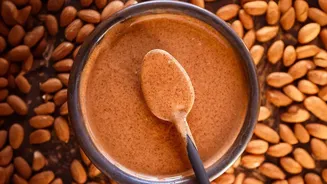
a luscious mouthfeel without overpowering other ingredients. The flavour of almond butter is also milder and more neutral than peanut butter, allowing it to blend seamlessly into a variety of dishes. Its earthy, nutty notes add a satisfying depth and complexity to everything from marinades to simple dips, transforming an ordinary meal into something special. For the best results in savoury cooking, it's wise to choose an unsweetened, natural almond butter to have full control over the final flavour profile of your dish.
Crafting a Basic Savoury Sauce
The easiest entry point into savoury almond butter is through a simple, no-cook sauce or dressing. Think of it as a twist on a classic Asian-inspired peanut sauce. To start, combine creamy almond butter with a few key ingredients to balance the flavours. You'll need a liquid to thin it out, like water, soy sauce (or tamari), or coconut aminos. Next, add an acidic element such as rice vinegar or fresh lime juice to brighten the taste. A touch of toasted sesame oil will lend a signature nutty aroma, while ingredients like grated fresh ginger, minced garlic, and a hint of sriracha or chilli paste can provide warmth and a spicy kick. Simply whisk all the ingredients together until smooth. This versatile sauce can be drizzled over noodle bowls, used as a dip for spring rolls, or thinned with more water to create a delicious salad dressing.
Beyond the Sauce: Curries and Marinades
Once you’re comfortable with a basic sauce, you can start incorporating almond butter into cooked dishes. It serves as a fantastic thickening agent and flavour booster in stews and curries. Just a spoonful or two whisked into a vegetable or lentil curry can add remarkable richness and a creamy texture, pairing especially well with ingredients like sweet potato and spinach. You can also use it to create a flavourful marinade for chicken, tofu, or beef. A mixture of almond butter, soy sauce, garlic, and a touch of maple syrup or honey can be used to coat your protein before grilling or stir-frying. The almond butter helps the marinade cling to the food and creates a beautifully caramelised crust when cooked.
Tips for Culinary Success
To make your foray into savoury almond butter cooking a success, keep a few things in mind. First, always opt for natural, unsalted, and unsweetened almond butter. This gives you a blank canvas and prevents your savoury dish from becoming unintentionally sweet. Second, remember that almond butter’s flavour, while milder than peanut butter's, is still distinct. It pairs beautifully with Asian flavour profiles like soy, ginger, and lime, but also works with balsamic vinegar and even in dips with mayonnaise or sour cream. If your almond butter is very thick, especially if refrigerated, you may need to warm it slightly or whisk it with a little warm water to achieve a smoother consistency for sauces and dressings. Don't be afraid to taste and adjust as you go, adding more spice, salt, or acidity to achieve the perfect balance for your palate.