


A New Strategy in Wolfsburg
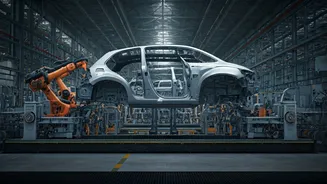
Europe's largest carmaker, Volkswagen Group, is undertaking one of the biggest overhauls in its history. Faced with intense competition, rising costs, and a monumental shift toward electric vehicles (EVs), the German auto giant is being forced to rethink
its entire business. The company is reportedly planning deep cost-cutting measures, which could include significant job reductions and even factory closures, to free up capital for the expensive transition to EVs, software, and autonomous driving. A spokesperson has stated that all brands and subsidiaries must undergo a "profound transformation" as the group's old business model is no longer seen as sustainable.
The Italian Jewels Under Review
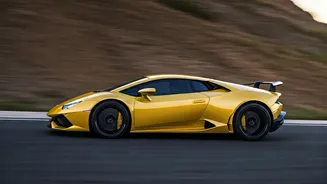
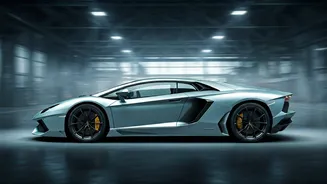
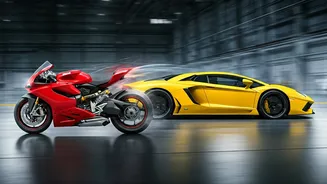
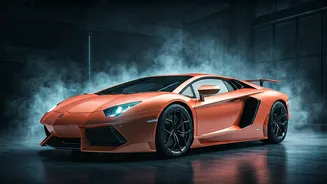
This massive restructuring has put two of its most glamorous and profitable brands, Lamborghini and Ducati, under the microscope. While both Italian marques generate strong profits and have fiercely loyal fanbases, they are being evaluated as potential assets to be sold or spun off. Financial advisors are reportedly encouraging Volkswagen to consider monetizing these brands to help fund its costly transformation. Options being discussed include an outright sale of the Ducati motorcycle brand or a public listing (IPO) for Lamborghini. An IPO would allow VW to raise significant cash while potentially retaining control of the supercar maker. This isn't the first time a Ducati sale has been considered; the group explored a sale in 2017 to fund its initial post-Dieselgate electrification push, though it was ultimately halted.
The Story of 'Everllence'
The third name in the headline, Everllence, is central to this story. Everllence, formerly known as MAN Energy Solutions, is a major manufacturer of large diesel engines for marine and industrial use. To raise funds for its restructuring, Volkswagen recently announced the sale of a majority 51% stake in Everllence to private equity firm Bain Capital. The deal generated approximately €7.4 billion for Volkswagen, cash that is desperately needed for its strategic pivot. While VW will remain a shareholder in the medium term, the sale of this major non-core asset shows the company is serious about streamlining its portfolio to focus on the future of mobility.
The Bigger Picture for VW
This shake-up is not just about individual brands; it's about survival and reinvention in a rapidly changing auto industry. Volkswagen has committed to becoming a software-driven mobility provider, where digital experiences, data-based business models, and autonomous driving become core competencies. This requires immense investment, estimated to be around €16 billion through 2025 for future trends alone. Selling or spinning off non-essential but valuable assets like Lamborghini and Ducati, as it has with Everllence and Bugatti, is one way to fund this transition without taking on crippling debt. While some analysts believe VW is unlikely to part with consistently profitable brands, the fact that these discussions are happening highlights the immense pressure the company is under.