


Star or Planet? The Twinkle Test
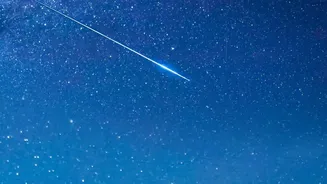
The first question for any bright object is whether it's a star or a planet. There’s a simple trick to tell the difference: stars twinkle, while planets usually shine with a steady, unwavering light. Stars are so far away that their light arrives as a single
point, easily disturbed by Earth's atmosphere, causing the twinkling effect. Planets in our solar system are much closer, appearing as tiny disks. This small size is enough to average out the atmospheric distortions, so they appear to glow steadily. This September, many of the brightest 'stars' you see are actually our planetary neighbours.
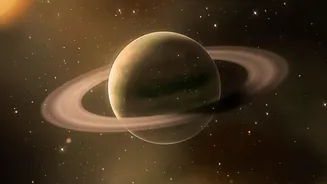
The Ringed Jewel: Saturn
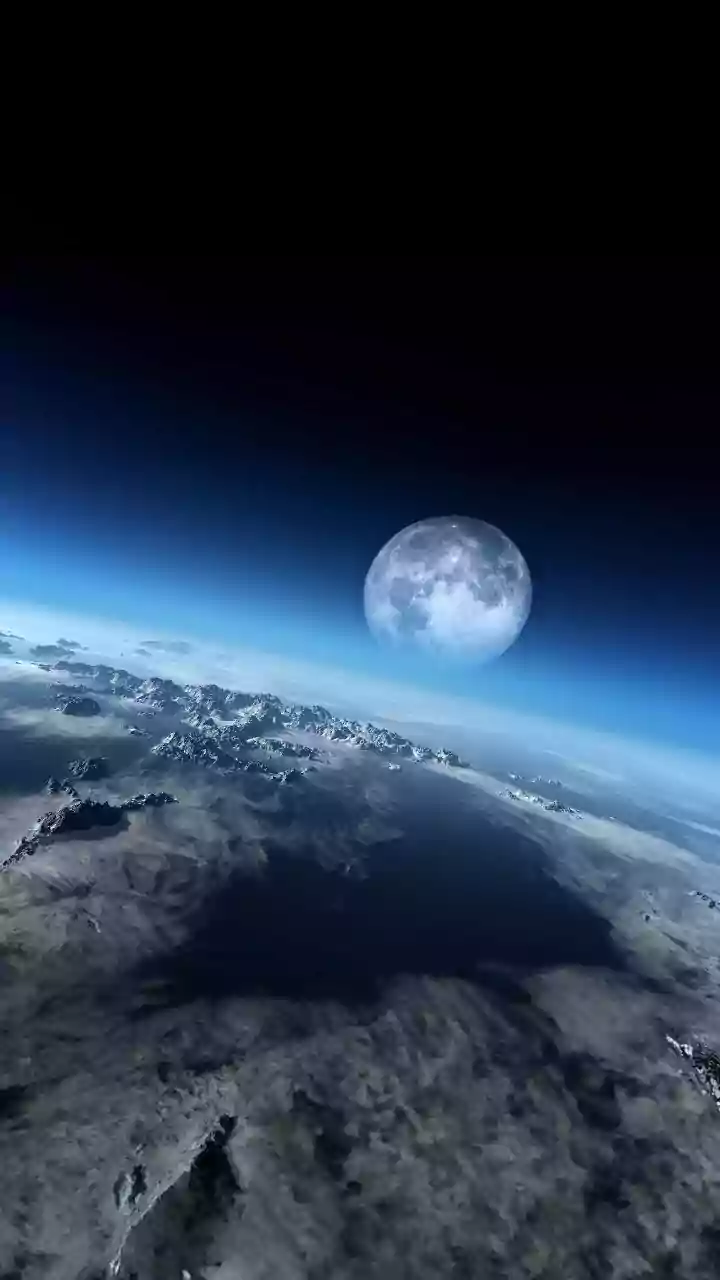
One of the most prominent bright objects visible for most of the night is the planet Saturn. Rising in the east as the sky darkens, the yellowish planet is approaching its annual opposition on October 4, 2026, which is when it will be at its closest and brightest for the year. This makes September an excellent month for viewing. While you'll need a telescope to see its famous rings, Saturn is easily visible to the naked eye as a bright, steady point of light. On September 26, the full Harvest Moon will rise near Saturn, making for a beautiful pairing in the eastern sky shortly after sunset.
The King of Planets: Jupiter
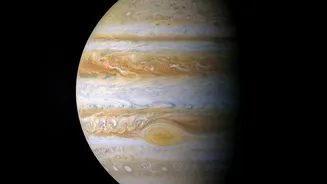
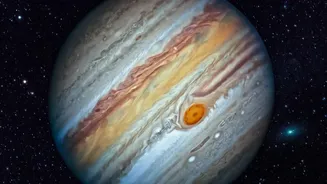
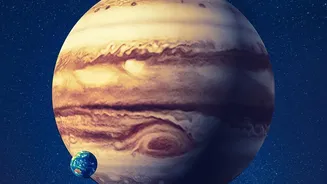
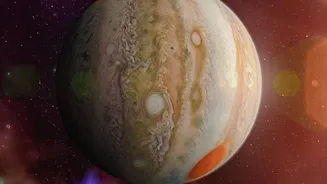
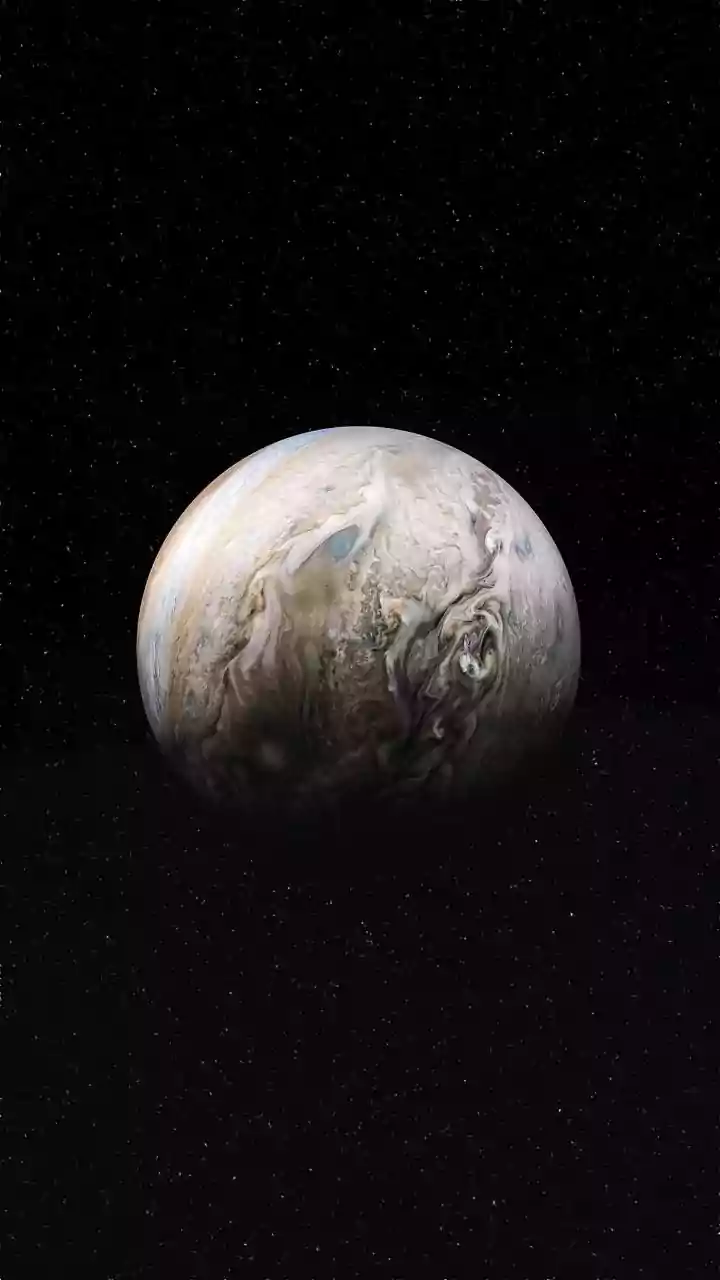
If you're an early riser, you can't miss the commanding presence of Jupiter in the pre-dawn eastern sky. It is exceptionally bright, outshining every true star. Throughout September, Jupiter rises a few hours before the sun, and on September 8, a slender crescent moon will be seen close to the giant planet, creating a stunning celestial pairing before sunrise. Mars will also be visible in the pre-dawn sky, though it appears much fainter than Jupiter.
The Summer Triangle Holds On
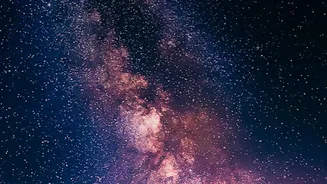
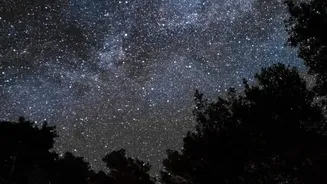
While planets are dominating the headlines, the stars are not to be outdone. The famous Summer Triangle, an asterism (or star pattern) made of three bright stars from three different constellations, remains high in the sky during September evenings. The brightest of the trio is Vega, often appearing almost directly overhead in the early evening. The other two corners are marked by Deneb and Altair. Though its name suggests a summer-only appearance, the Triangle is a prominent feature well into the autumn months. From a dark location, you might even see the faint, hazy band of the Milky Way running right through it.
Finding Your Way
Identifying these celestial wonders is easier than you might think. Unlike stars, which maintain fixed patterns, planets wander against the background of stars. This movement, along what astronomers call the ecliptic—the path the Sun takes across the sky—is where you will always find the planets. While India's monsoon season can obscure the skies from July to September, clear nights during this period still offer fantastic viewing opportunities, especially from higher altitudes or regions less affected by clouds. Many smartphone apps can help you pinpoint exactly what you are looking at in real time, turning a curious glance into a moment of discovery.