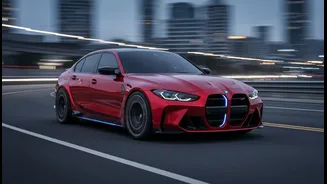




A Legacy Forged on the Track
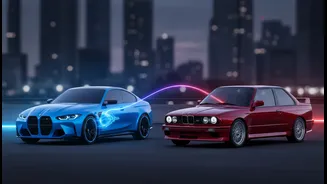
The M3 badge means more than just speed. Born from a need to go racing, the original E30 M3 of the 1980s established a formula: a telepathic connection between driver and machine, wrapped in a body you could drive daily. Each generation since—whether
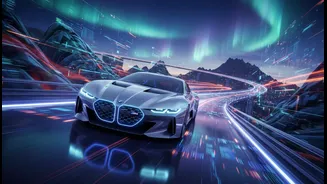
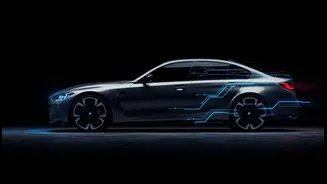
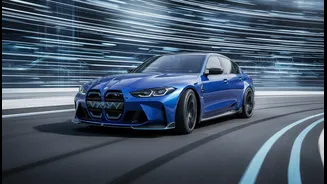
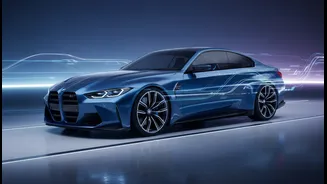
powered by a four-cylinder, a high-revving inline-six, or a brawny V8—has had to live up to this dual identity. It’s a car celebrated for its unique blend of track-worthy performance and practicality. BMW M’s CEO, Frank van Meel, has confirmed the new electric performance sedan, built on the 'Neue Klasse' platform, will simply be called the M3, not 'iM3' or anything else. This decision is a deliberate signal: the company believes its electric future can deliver the same soul. But that belief will be tested against three core pillars that define the M3 experience.
The Challenge of Intangible Handling
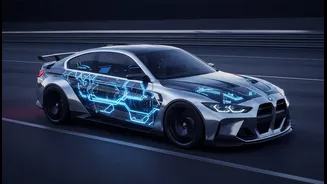
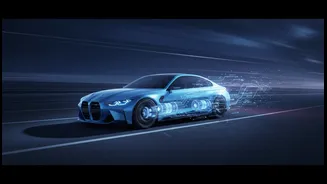
The first and perhaps highest hurdle is handling. An M3 has always been praised for its agility, balance, and communicative steering. It’s a car that feels like an extension of the driver. Electric vehicles, with their heavy battery packs, present a fundamental physics problem. While a low center of gravity helps, the sheer mass can blunt the nimble feeling M3 owners expect. BMW's answer is a sophisticated quad-motor setup, with one motor for each wheel. This allows for instantaneous and precise torque vectoring, managed by a central computer dubbed the 'Heart of Joy'. In theory, this software-driven system can create a level of agility that mechanical differentials can't match. Van Meel claims a prototype is already lapping circuits faster than today's most extreme combustion models, but the true test won't be lap times. It will be whether the car can deliver the nuanced feedback and feeling of lightness that has long been the M3's signature.
Manufacturing Emotion Without an Engine
The second pillar is emotion, a quality deeply tied to the sound and feel of a combustion engine. The howl of an inline-six, the surge of power building with revs—these are central to the M3's character. An electric motor, for all its instant torque, is comparatively silent and linear. BMW acknowledges this, stating that an electric M car needs to create an emotional attachment. The company is adamant it will not simply copy the sound of a past engine, but instead create a new, authentic acoustic experience that gives the driver feedback on speed and effort. This is a monumental creative challenge. While brutal acceleration is a given—with rumors of power figures approaching 1,000 horsepower—the M division has stated its focus is on usable, controllable performance, not just headline-grabbing numbers. The goal is to make the driver feel connected and in control, not just a passenger in a silent rocket ship.
The Everyday Supercar Promise
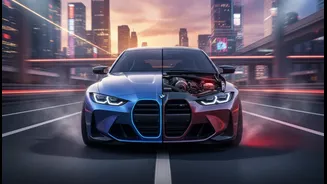
Finally, there is everyday usability. The M3 has always been the supercar you can take to the grocery store, with four doors and a usable trunk. It’s built for the person who wants to drive to the track, run hard laps all day, and drive home in comfort. An electric M3 must uphold this promise. That means delivering not only blistering performance but also adequate range, reasonable charging times, and a comfortable ride when not in 'attack' mode. The Neue Klasse platform, with its 800-volt architecture, is designed for rapid charging and sustained performance without overheating—a key focus for the M division. The decision to offer the electric M3 alongside a new combustion-powered M3 shows that BMW understands the market isn't entirely ready to move on. It's a pragmatic hedge, but it also puts even more pressure on the electric version to prove it’s not the lesser option, but the true heir to the throne.