
The Easiest Method: Cuttings in Water
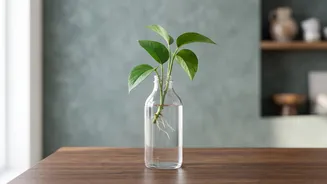
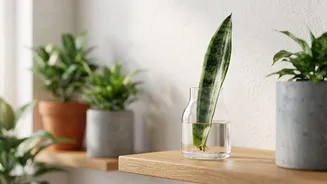
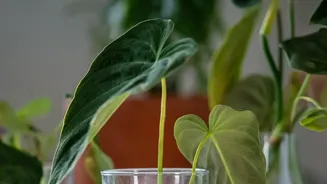
This is the classic technique for a reason: it’s incredibly simple and visually rewarding. Many popular Indian houseplants, like Golden Pothos (Money Plant), Philodendrons, and Monstera, are perfect candidates. To start, identify a healthy stem on the parent
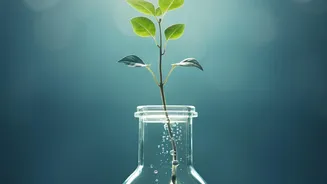
plant. Using clean scissors, snip off a four to six-inch piece just below a node—that’s the small bump on the stem where new roots and leaves will emerge. Remove any leaves on the lower part of the cutting that would sit below the water line. Place the cutting in a glass jar filled with clean water and set it in a spot with bright, indirect sunlight. Change the water every few days to keep it fresh and prevent algae. In a few weeks, you will see delicate white roots begin to sprout from the node, a magical sight for any plant parent. The high humidity of the monsoon season in India is an ideal time for this, as it naturally encourages root development.
Multiply by Dividing
For plants that grow in clumps, like Snake Plants, Peace Lilies, and many ferns, division is the most straightforward way to create new, mature-looking plants instantly. This method not only multiplies your collection but also helps rejuvenate an older plant that has become overcrowded in its pot. The best time to do this is when you are repotting. Gently remove the plant from its pot and lay it on its side. You will see that the root ball is made of several distinct clumps or 'offsets'. Carefully pull these sections apart with your hands, or use a clean knife to cut through tougher root connections. Ensure each new division has a healthy portion of both roots and shoots. Pot each new section into its own container with fresh potting mix, water it well, and you have several new plants to enjoy or share.
The Kitchen Scrap Revolution
Your kitchen is a treasure trove of potential new plants. Instead of tossing vegetable scraps, you can regrow them into attractive houseplants or even a small herb garden. This sustainable practice is both fun and incredibly cost-effective. Green onions are one of the easiest to start with; simply place the white root ends in a shallow glass of water on a sunny windowsill, and you'll see new green shoots in days. Celery, romaine lettuce, and bok choy can also be regrown from their bases. Cut off the bottom two inches of the base and place it in a shallow dish of water. Once new leaves appear in the centre and roots form, you can transplant it into soil.
From the Spice Box to a Pot
Common Indian kitchen staples like ginger and lemongrass can also be easily propagated. If you have a piece of ginger that has started to sprout little green 'eyes', you can plant it. Choose a plump piece of ginger root and plant it just below the surface of moist, well-draining soil in a wide, shallow pot. Keep it in a warm, bright spot, and soon you’ll see lush, tropical-looking foliage emerge. For lemongrass, take a few stalks from a bunch, trim the tops, and place them in a glass with a few inches of water. Roots should develop within a couple of weeks, at which point you can plant them in a pot and enjoy a fresh supply for your cooking.
For the Patient Gardener: Succulents
Succulents, like Jade Plants and Echeverias, have a unique propagation method that requires a bit more patience but is equally satisfying. Instead of water, they propagate best from individual leaves. Gently twist a healthy leaf from the stem, making sure you get a clean break. Let the leaf cutting sit out for a few days in a dry spot to allow the cut end to 'heal' or form a callus. This prevents it from rotting. Once callused, simply lay the leaf on top of a tray of cactus or succulent soil. Do not bury it. Mist the soil lightly every few days, and in a few weeks to a month, tiny new roots and a baby plant will start to grow from the base of the leaf. It's a slow but fascinating process.