



The Nutritional Showdown
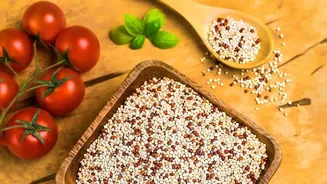
On the surface, both ragi and quinoa are nutritional powerhouses. They are gluten-free and packed with essential nutrients, but their strengths lie in different areas. Quinoa is famous for being a 'complete protein', meaning it contains all nine essential amino
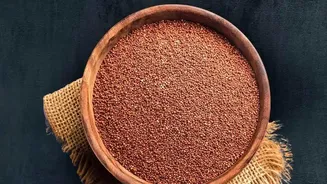
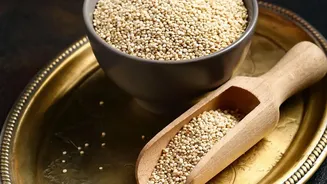
acids that the body cannot produce on its own. It generally boasts a higher protein content, with about 14 grams per 100g, compared to ragi's 7-10 grams. However, where ragi truly shines is its phenomenal calcium content. At approximately 344mg per 100g, ragi contains over seven times more calcium than quinoa, which has about 47mg. This makes ragi an exceptional choice for bone health, particularly for women and children.
Blood Sugar and Diabetes Management
For individuals managing diabetes or watching their blood sugar levels, the Glycemic Index (GI) is a crucial factor. Both ragi and quinoa are considered good choices as they have a low to moderate GI. Quinoa has a GI of around 53, while ragi's GI is also in a similar low range, sometimes reported as being slightly lower depending on preparation. The high fibre content in both grains slows down the absorption of sugar into the bloodstream, preventing sharp spikes. Ragi contains polyphenols, which can further help improve insulin sensitivity. Ultimately, both grains are excellent alternatives to refined grains like white rice for better blood sugar control.
The Weight Management Angle
When it comes to weight management, fibre is your best friend. It promotes a feeling of fullness, which helps prevent overeating. While both grains are good sources of fibre, some data suggests ragi has a slight edge with around 11g per 100g, compared to quinoa's 7g. Quinoa's high protein content can also contribute to satiety and boost metabolism. Because both grains keep you feeling full for longer and provide sustained energy, they can be valuable additions to a weight loss diet. The choice may come down to whether your body responds better to higher fibre (ragi) or higher protein (quinoa).
Cost and Accessibility in India
This is where the difference becomes most stark. Ragi, or finger millet, is an ancient grain cultivated across India for thousands of years. It is affordable and widely available, costing anywhere from ₹60 to ₹120 per kilogram. In contrast, quinoa is primarily imported from South America, and its price reflects import duties, shipping, and 'superfood' marketing. Imported quinoa can cost between ₹400 and ₹800 per kilogram, making it four to eight times more expensive than ragi. Even Indian-grown quinoa is significantly pricier than local millets. For daily consumption, ragi is the far more practical and budget-friendly choice for most Indian households.
How to Use Them in Your Kitchen
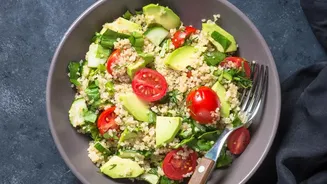
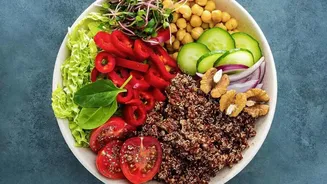
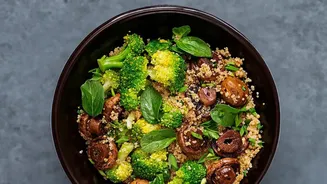
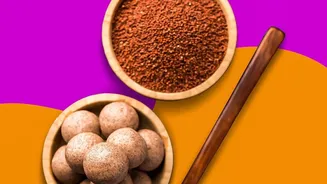
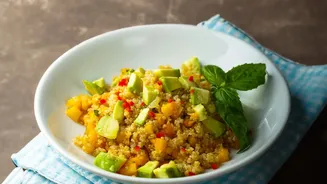
Both grains are versatile, but they fit into Indian kitchens differently. Ragi is most commonly used as a flour to make rotis, dosas, porridges (kanji), and the traditional ragi mudde (balls). Its earthy flavour is a staple in many South Indian households. Quinoa, with its slightly nutty taste and fluffy texture, works well as a direct substitute for rice in dishes like pulao, biryani, or upma. It is also popular in salads. While you can find creative recipes that blend both, ragi's flour form and quinoa's whole-grain form lend themselves to different culinary applications.