








The Psychology of the Scam
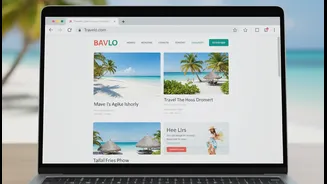
In our fast-paced world, convenience is king. We want to book flights, secure visas, and reserve hotels with a few simple clicks. Scammers understand this desire perfectly. They create sophisticated, convincing clones of airline, hotel, and government
websites, often promoted through online ads and manipulated search results that place them at the top of your screen. These fake portals thrive because they offer what we crave most: a seemingly quick and effortless solution. They leverage our trust in familiar-looking interfaces and our occasional haste, knowing that an urgent traveller is less likely to scrutinise the details.
Anatomy of a Fake Portal
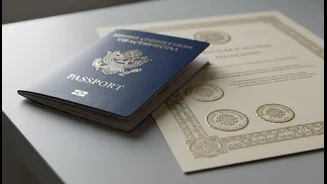
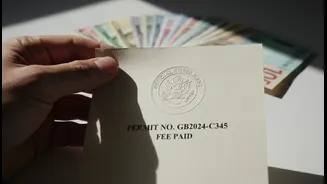
These fraudulent websites are not amateurish efforts. They often mimic the exact look and feel of official pages, complete with copied logos, familiar branding, and professional layouts. A common target for Indian travellers are e-visa application sites. Scammers set up domains with names like 'india-visa-gov.in' or 'e-touristvisaindia.com' to trick users into believing they are on an official government portal. They might charge exorbitant fees for services that are free or much cheaper, or worse, their goal is to steal your personal and financial data for identity theft. These sites are designed to capture your details under the guise of legitimacy, leaving you with a fake confirmation and a compromised bank account.
Red Flags You Can't Ignore
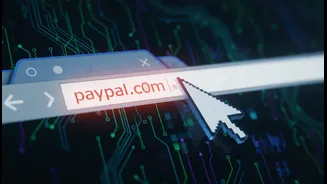
Spotting a fake portal becomes easier when you know what to look for. The most critical element is the URL. Always check the web address character-by-character. Official government websites in India typically end in '.gov.in' or '.nic.in'. A commercial-looking ending like '.com' or '.org' for a government service is a major red flag. Be wary of sites that pressure you with 'limited time' offers or create a false sense of urgency. Poor grammar, spelling mistakes, and low-resolution images are other telltale signs. Finally, if the site asks for payment through unconventional methods like a direct bank transfer or a UPI payment to a personal account, it is almost certainly a scam.
The High Cost of Being Duped
The consequences of using a fake portal extend beyond financial loss. While losing money is painful, the theft of your personal data, including passport details and credit card information, can lead to long-term identity fraud issues. Furthermore, arriving at an airport or hotel with a reservation that doesn't exist can derail your entire trip. In the case of visa scams, submitting an application through a fraudulent channel could result in you unknowingly providing false information, which can have serious immigration consequences, potentially leading to a ban on entering the country in the future.
A Traveller's Guide to Staying Safe
Protecting yourself requires a shift from seeking pure convenience to verifying authority. Always start your search from an official source. For visas, go directly to the official embassy or government website for your destination country. The official Indian e-visa website, for instance, is indianvisaonline.gov.in. For flights and hotels, type the company’s URL directly into your browser or use a trusted bookmark instead of clicking on sponsored ads. Always check that the website URL starts with 'https://' and has a padlock symbol, indicating a secure connection. Using a credit card for online payments offers better protection and makes it easier to dispute fraudulent charges.