





The Problem with Pretty Pots
Decorative pot liners, especially non-porous plastic ones, are often used to either protect an outer pot or simply to add an aesthetic layer. While they may look neat, their biggest drawback is their potential to obstruct or completely block the drainage
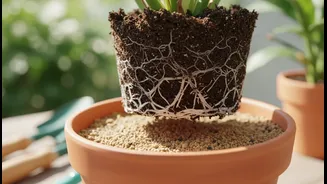
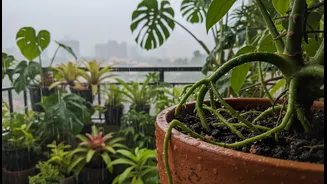
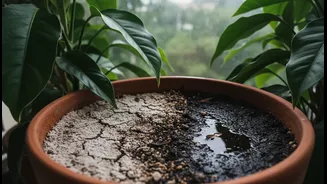
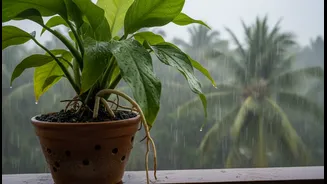
holes at the bottom of your main pot. During the dry season, this might go unnoticed. But when the monsoon arrives, delivering relentless rain, these liners can turn your plant's home into a waterlogged trap. Excess water has nowhere to go, saturating the soil and creating an environment where roots can't breathe. Even if you are using a decorative outer pot without holes (a cachepot) over a nursery pot with holes, trapped water in the outer pot can be just as deadly.
Why Monsoon Demands Perfect Drainage
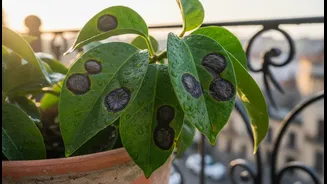
The Indian monsoon is a season of abundance for plants, but it comes with a critical challenge: overwhelming moisture. Plant roots need a balance of both water and oxygen to thrive. When soil becomes waterlogged, the air pockets that supply oxygen to the roots are filled with water. This suffocates the roots, leading to a condition called root rot, which is often fatal. High humidity and constantly damp conditions also create the perfect breeding ground for fungal diseases and pests like fungus gnats, which are attracted to overly moist soil. Proper drainage isn't just a suggestion during the monsoon; it's the single most important factor in keeping your potted plants alive and healthy.
Warning Signs of Poor Drainage
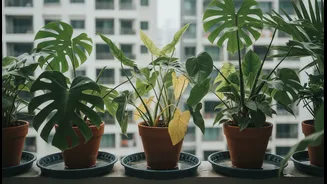
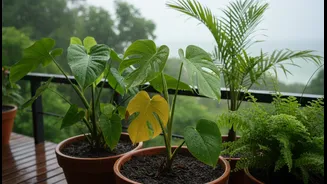
Your plants will give you clear signals when they are suffering from waterlogged soil. One of the most common and confusing signs is wilting. A plant can wilt even when the soil is wet because its suffocating roots can no longer absorb water. Other key indicators include yellowing leaves, particularly the lower ones, and premature leaf drop. You might also notice the base of the plant stem becoming soft and mushy, or a sour, rotten smell coming from the pot, which is a sure sign of decay. If you spot any of these symptoms, you must act quickly to save your plant.
Ensuring Your Pots Can Breathe
The solution begins with your potting setup. First, ensure every pot has adequate drainage holes. If you must use a decorative pot without holes, use it as a cachepot. Place your plant in a simple nursery pot with plenty of holes, then set that inside the decorative one. After every rain, make it a habit to tip out any water that has collected in the outer pot. Elevating your pots on bricks or plant stands is another excellent strategy. This prevents them from sitting in puddles and allows air to circulate underneath, which aids drying. Finally, use a well-draining potting mix. Avoid heavy garden soil, which compacts easily. Instead, opt for a mix containing components like cocopeat and perlite, which create a light, airy structure that lets excess water flow through freely.
Smart and Safe Alternatives
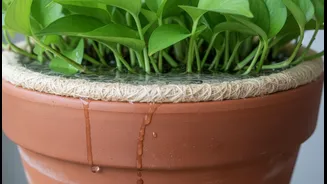
If you want to dress up your pots without risking your plants' health, there are several safe alternatives to impermeable liners. Natural and porous liners, such as those made from coconut coir or burlap, can hold soil in place while still allowing water to drain and air to circulate. Coconut coir liners are particularly resistant to rot and can last for several seasons. Another great option is to simply get creative with the pots themselves. Painting terracotta pots is an easy way to add colour and personality. You can also choose naturally beautiful pots made from materials like cast stone, which are porous and promote healthier roots. By focusing on breathable and functional beauty, you can create a stunning monsoon garden that is also strong and resilient.