

The Deceptive 'Health Halo'
Smoothies have an undeniable 'health halo'. They are marketed and perceived as a quick, easy way to load up on vitamins and hit your daily fruit quota. And in a busy world, blending a meal you can sip on the go is incredibly appealing. This convenience
has made them a go-to for breakfast or a post-workout refuel. The logic seems sound: fruit is healthy, so a drink made entirely of fruit must be the pinnacle of nutrition. This belief, however, overlooks a few crucial details about how our bodies process the ingredients, especially when it comes to sugar and what truly makes a 'meal'.
The Unseen Sugar Tally
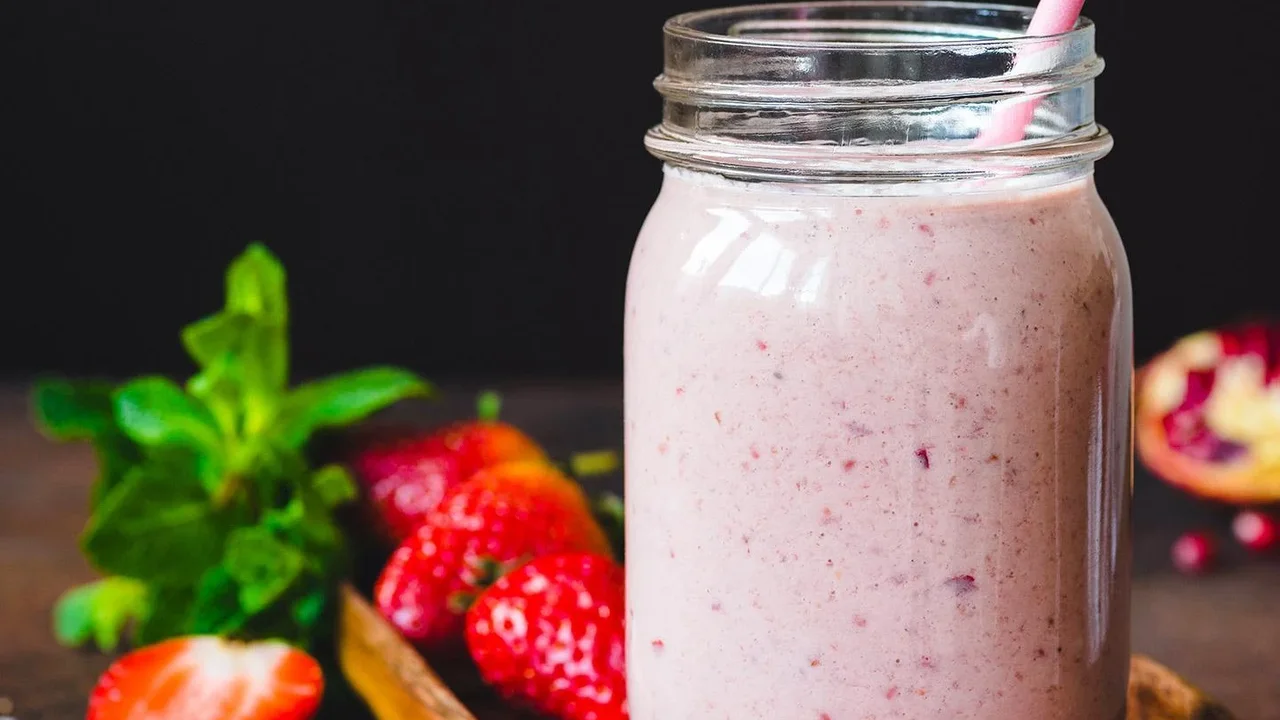
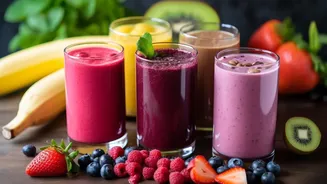
The main issue with a fruit-heavy smoothie is the sheer quantity of sugar you can consume in a short period. While the sugar in fruit is natural, it's still sugar. To make a satisfyingly large smoothie, you might blend a whole banana, a cup of mango, and perhaps some dates for sweetness. Eaten whole, this amount of fruit would be quite filling and take time to consume. But blended, you can drink it in minutes. A single large smoothie from a shop can contain over 50 grams of sugar, sometimes more than a can of soda, due to fruit concentrates, sweetened yogurts, or syrups. Even a homemade one with just fruit, like two cups of berries, a cup of mango and a few dates, can easily surpass 80 grams of sugar. This rapid intake can lead to a significant blood sugar spike, followed by a crash that leaves you feeling tired and hungry soon after.
The Meal-Replacement Myth
For a drink to truly replace a meal, it needs a balanced profile of macronutrients: protein, healthy fats, and complex carbohydrates (including fiber). A smoothie made of only fruit and a liquid base like water or coconut water is severely lacking. It delivers a fast dose of carbohydrates but misses the key components that provide lasting energy and satiety. Protein is crucial for muscle repair and feeling full, while healthy fats are essential for nutrient absorption and sustained energy. Without these elements, a fruit-only smoothie is more of a sugary snack than a balanced meal, which explains why you might find yourself reaching for another snack an hour later.
How to Build a Better Smoothie
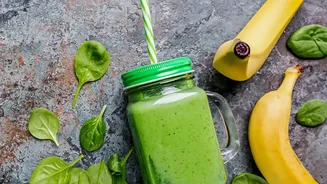
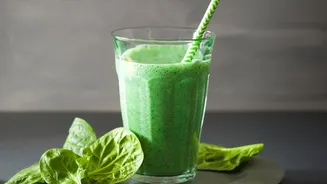
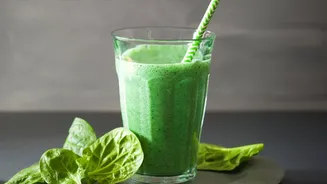
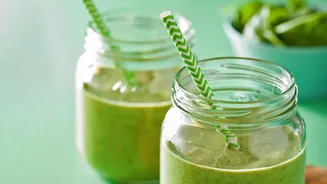
The good news is that you don't have to give up your favourite blended beverage. You just need to build it better. Think of it less as a fruit dump and more as a balanced, customisable meal in a glass. A genuinely healthy meal-replacement smoothie should contain the right mix of ingredients. Start with a sensible portion of fruit, about one cup, favouring lower-sugar options like berries. Then, ensure you add a source of protein, aiming for at least 15-20 grams. Excellent choices include plain Greek yogurt, cottage cheese, or a quality protein powder. Next, incorporate a source of healthy fat, like a quarter of an avocado, a tablespoon of nut butter, or some chia or flax seeds. Finally, for a nutrient and fiber boost without much-added sugar, toss in a large handful of leafy greens like spinach or kale. Use water or unsweetened milk as your liquid base to avoid hidden sugars found in fruit juices and flavoured milks.
A Note on Blending and Fibre
There's a common misconception that blending destroys the fibre in fruit. The truth is more nuanced. Blending doesn't remove fibre the way juicing does; it essentially just breaks it down. In fact, some research suggests that blending fruits, particularly those with seeds like berries, can make the fibre more accessible and may even lead to a lower blood sugar response compared to eating the same fruits whole. The main issue isn't the blending process itself, but rather the ease of overconsumption and the lack of other balancing nutrients. A well-constructed smoothie that retains its fibre and includes protein and fat is far superior to fibre-free fruit juice.