



The Grain That Got a Glow-Up
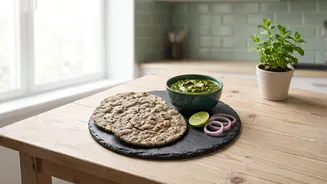
For generations, millets like jowar, bajra, and ragi were the backbone of Indian diets. These hardy, climate-resilient grains were gradually pushed aside during the Green Revolution, which prioritized high-yield rice and wheat. Perceived as "poor man's
food," millets faded from urban kitchens. Now, they are making a remarkable comeback. This resurgence is driven by a perfect storm of factors: a growing demand for healthier, gluten-free options and a renewed appreciation for their nutritional prowess. Packed with protein, fibre, and essential minerals like magnesium and iron, millets are a powerhouse of nutrition. They have a low glycemic index, making them beneficial for managing blood sugar levels, and their high fibre content supports digestive health and can help lower cholesterol. The Indian government’s promotion of 2023 as the International Year of Millets also gave these ancient grains a significant boost, bringing them back into the mainstream conversation about food and sustainability.
A Gut Feeling About Fermentation
Alongside the millet revival is a renewed fascination with fermented foods. While staples like dahi, idli, and dosa have always been part of Indian cuisine, the trend is now expanding to include a wider variety of traditional and global options. From the tangy rice water known as panta bhat to regional specialities like gundruk (fermented leafy greens), consumers are embracing these foods for their profound health benefits. The primary driver is a surging interest in gut health. Fermented foods are rich in probiotics—beneficial bacteria that support a healthy digestive system, boost immunity, and improve nutrient absorption. This trend has seen traditional homemade pickles and drinks like kanji share shelf space with newer entrants like kombucha and kefir, reflecting a market that is both honouring tradition and embracing innovation.
More Than Just a Health Fad
The return to millets and fermented foods is not just about individual health; it signifies a broader cultural and ecological shift. This movement represents a return to culinary roots and a rejection of the highly processed diets that have become common. People are increasingly seeking authenticity and a connection to food that feels grounding and traditional. This shift also has powerful implications for agriculture and sustainability. Millets are famously resilient, requiring less water than rice and wheat and capable of thriving in arid conditions, making them a climate-smart crop. Similarly, fermentation has been a traditional, low-energy method for preserving food for centuries, reducing waste and ensuring food security. By choosing these foods, consumers are indirectly supporting local farmers, promoting biodiversity, and contributing to a more sustainable food system.
From Kitchens to Commercial Shelves
The food industry has been quick to respond to this growing demand. Supermarket aisles now feature an array of millet-based products, from flour and breakfast cereals to ready-to-eat snacks and pasta. Startups and established brands are innovating with new offerings, such as millet-based batter and functional beverages. In January 2025, for instance, iD Fresh Food expanded its popular batter line to include ragi and other millet variants. Similarly, the fermented beverage market is booming, with brands launching products like kombucha and even India's first millet-fermented functional drinks. This commercialization is making it easier than ever for consumers to incorporate these traditional staples into their busy, modern lives, ensuring that this return to roots is not just a passing trend but a lasting change in eating habits.