



More Than Just a Peel
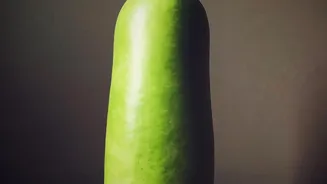
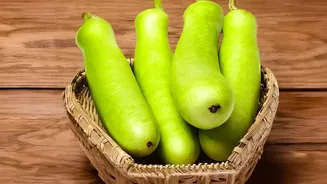
The concept of using every part of a vegetable is not new; it's a cornerstone of traditional Indian cooking born from frugality and respect for food. Today, this 'root-to-stem' philosophy is celebrated as a sustainable way to cook. The peel of the bottle
gourd, or lauki, is surprisingly nutritious. It is a fantastic source of dietary fibre, which is essential for good digestion and gut health. The peels also contain important micronutrients like vitamin C, potassium, and antioxidants that contribute to overall wellness. By saving these peels, you are not only reducing kitchen waste but also adding a healthy, fibrous element back into your diet. It’s a simple change that benefits both you and the environment.
An Important Safety Note
Before you begin, there is one crucial safety step. On rare occasions, a bottle gourd can be bitter, which indicates the presence of toxic compounds called cucurbitacins that are not destroyed by cooking. To check, simply taste a tiny piece of the raw lauki flesh before you cook. If it has any bitter taste, do not consume it. Discard the entire vegetable immediately to be safe. Always use a fresh, non-bitter lauki for this and any other recipe.
The Recipe for Crispy Lauki Peel Kebabs
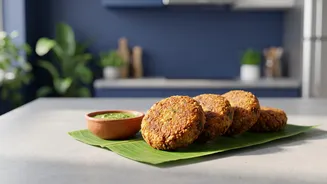
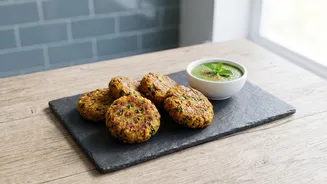
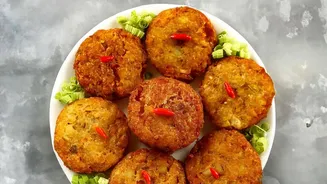
This recipe transforms humble peels into a snack that's crispy on the outside and tender on the inside. Most ingredients are common staples in an Indian kitchen. Ingredients: Peels from 1 medium bottle gourd (lauki) 1/2 cup gram flour (besan), as needed for binding 2 tablespoons rice flour, for crispiness 1 small onion, finely chopped 1-2 green chillies, finely chopped 1 teaspoon ginger-garlic paste 1/2 teaspoon turmeric powder 1 teaspoon coriander powder 1/2 teaspoon garam masala 1/2 teaspoon chaat masala (optional) A handful of fresh coriander, chopped Salt to taste * Oil for shallow frying or air frying Method: 1. Thoroughly wash the bottle gourd before peeling. Collect the peels and boil them in water for 5-7 minutes, or until they are tender. Drain them completely and let them cool. 2. Once cooled, grind the peels into a coarse paste. Do not make it too smooth; a bit of texture is good for the kebabs. 3. Transfer the paste to a mixing bowl. Squeeze out any excess water to ensure the mixture isn't too wet. This is a key step for crispy kebabs. 4. Add the chopped onion, green chillies, ginger-garlic paste, fresh coriander, and all the powdered spices (turmeric, coriander powder, garam masala, and chaat masala). 5. Next, add the rice flour and gram flour. Start with a small amount of gram flour and add more as needed, until the mixture comes together and can be shaped into patties without sticking to your hands. 6. Finally, mix in the salt. Adding it at the end prevents the mixture from releasing too much water. 7. Rub a little oil on your palms and shape the mixture into small, flat patties or kebabs. 8. Heat oil in a non-stick pan for shallow frying. Place the kebabs in the pan and cook on a medium-low flame until golden brown and crisp on both sides. Alternatively, you can brush them with oil and cook them in an air fryer until crisp.
Tips, Tricks, and Serving Suggestions
To achieve the perfect kebab, getting the consistency of the mixture right is key. If it feels too wet, add a spoonful more of gram flour or even a tablespoon of roasted peanuts, coarsely ground, for better binding and flavour. Chilling the mixture in the refrigerator for about 15-20 minutes can also make it firmer and easier to shape. These crispy lauki peel kebabs are best served hot, straight from the pan. They pair beautifully with a variety of dips. A classic mint-coriander chutney provides a fresh, zesty contrast, while a tangy tamarind chutney adds a touch of sweetness. For a simpler option, they are also delicious with plain tomato ketchup. Serve them as an evening tea-time snack or as a unique appetiser for guests. They are a conversation starter that tastes as good as the story behind them.