






The Sheer Scale of the Problem
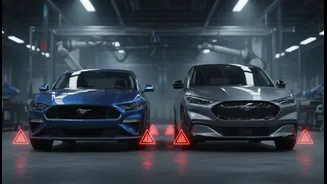
By mid-2026, Ford has already initiated 56 separate recall campaigns, putting it on pace for its second-worst year on record. This follows a historic and undesirable record set in 2025, when the company issued 153 recalls affecting 13 million vehicles.
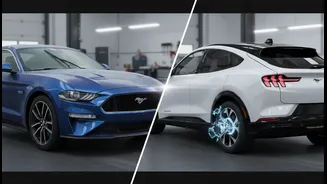
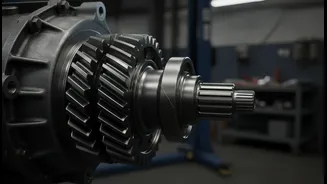
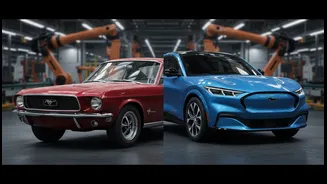
This year's recalls span a wide range of popular models, from the iconic F-150 pickup and Mustang sports car to the family-friendly Explorer and Bronco SUVs. The issues are varied and serious, including software glitches that can disable trailer brakes, faulty transmissions that could allow vehicles to roll away while in park, and defective rear differential shafts that can cause a sudden loss of power.
A Mix of Old and New Issues
The challenges facing Ford are a mix of persistent manufacturing problems and new-age software bugs. Recent campaigns have included over 741,000 vehicles for a transmission defect and a massive 4.3 million-vehicle recall for a software error impacting trailer brake functions. Other significant recalls in the first half of the year targeted windshield wiper failures in new Mustangs, potential engine failures in Explorer and Bronco models, and rear camera display glitches across several vehicle lines. Industry analysts note that many issues stem from vehicles produced in prior model years, suggesting a long-tail problem with quality control that the company is still struggling to get ahead of. This has led to a high number of recalls for incorrectly repaired vehicles, compounding the problem.
The Financial and Reputational Toll
The financial bleeding is significant. In a single quarter, warranty and recall costs have been reported to reach as high as $2.3 billion. These direct costs for parts, dealer labour, and logistics are only part of the story. The constant stream of negative headlines erodes consumer trust in the brand, a critical asset in the competitive automotive market. This comes at a time when Ford is under intense scrutiny from regulators like the National Highway Traffic Safety Administration (NHTSA), which has previously imposed hefty penalties for delayed recalls. Despite the grim recall numbers, the company has pointed to some positive signs, such as a recent top ranking in J.D. Power's Initial Quality Study, suggesting that newly implemented quality processes may be starting to yield results.
What This Means for Ford Owners
For the millions of Ford owners, the wave of recalls creates uncertainty and inconvenience. The company is required to perform all recall-related repairs free of charge. Owners are typically notified by mail, but can also check if their vehicle is affected by entering their Vehicle Identification Number (VIN) on Ford's official recall website or government safety sites. While Ford has ceased its independent manufacturing operations in India, many Ford vehicles remain on the road. Indian owners of models that may have been imported or share global platforms should remain vigilant. Past recalls in India for models like the EcoSport have addressed issues with emissions software and component safety, highlighting the need for local owners to stay informed through official channels.