


A Groundbreaking Bloom at 10,600 Feet
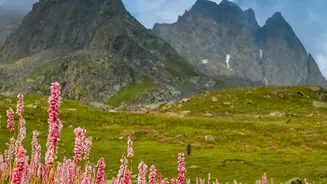
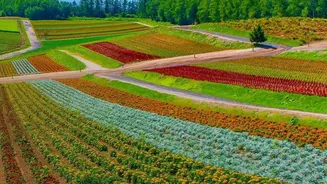
In a significant development for Ladakh's agriculture and tourism, twin flower fields were inaugurated at Choglamsar and Stakna in Leh on September 17, 2026. Described as the world's highest-altitude flower fields, these projects cover 40 acres and are
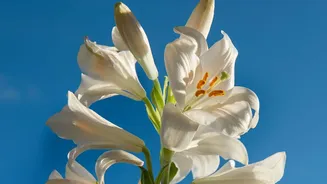
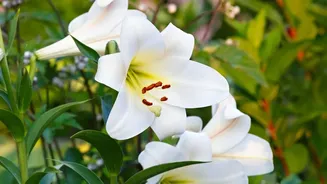
home to over 2.5 million flowers. While the Choglamsar field, planted in July, saw its first blooms in early September, the focus has now shifted to Stakna. At this site, nearly 1.4 million Lilium bulbs were planted in August, with their flowering expected towards the end of October. This staggered planting schedule is a deliberate effort to extend the flowering season and explore the full potential of commercial floriculture in this unique cold desert environment.
An Extended Season of Colour
Ladakh's traditional tourist season is heavily concentrated in the summer months, with a smaller, dedicated crowd visiting in April for the famous Apricot Blossom Festival. The sight of apricot trees, known locally as 'chuli', turning the valleys pink and white between late March and early May is a celebrated event. The Lilium bloom at Stakna introduces a new dimension to this calendar. By flowering in late October, it creates a new attraction for visitors during a period that is typically considered the shoulder season, after the summer rush has subsided and before the harsh winter sets in. This extends the window for tourism and offers an entirely different visual experience from the delicate apricot blossoms of spring.
More Than Just a Pretty Sight
This floriculture initiative is a calculated move to diversify Ladakh's economy. The project, supported by the CSIR-Institute of Himalayan Bioresource Technology, focuses on high-value ornamental flowers like Lilium and Gladiolus. The goal is to cultivate these flowers for national and international markets, creating new livelihood opportunities for the local population. The first commercial consignment of Liliums from the Choglamsar field was already dispatched in late September 2026, marking a successful proof of concept. The initiative also heavily involves local self-help groups, particularly women, in the cultivation, harvesting, and packaging process, ensuring the economic benefits are distributed within the community.
A Sign of Resilience and Adaptation
Cultivating millions of flowers in a high-altitude cold desert is a significant agricultural achievement. The region's flora is naturally adapted to survive harsh conditions, with short growing seasons and extreme temperatures. This project leverages that natural resilience by selecting cold-tolerant varieties and implementing controlled planting schedules and efficient water management. While the Lilium project is a planned agricultural venture, it runs parallel to broader environmental shifts. Climate change is already impacting the Himalayas, affecting everything from glacier melt to the habitats of native species like the Himalayan marsh orchid. Developing sustainable agricultural practices that work with, rather than against, this challenging environment is seen as crucial for the region's future. The success of the Stakna field could serve as a model for future high-altitude agricultural projects.