









The Usual Suspect: Fuel Quality and Ethanol Blends
When mileage takes a nosedive, it’s natural to blame the fuel you just bought. Contaminated or poor-quality fuel can indeed lead to inefficient combustion and reduced performance. In India, another major topic of discussion is the increasing prevalence
of ethanol-blended petrol, such as E20 (20% ethanol, 80% petrol). Ethanol has a lower energy content than pure petrol, which means your engine needs to burn slightly more of it to produce the same amount of power. This can result in a mileage drop, typically in the range of 5-10% for modern, compatible vehicles. For most BS6-compliant cars, this is a known and manageable trade-off for cleaner emissions. However, a sudden and dramatic collapse in efficiency often points to issues beyond the blend itself.
The Ghost in the Machine: Your Car's Onboard Computer
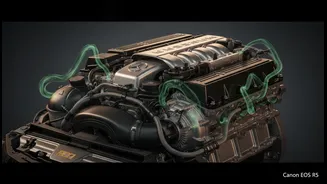
Modern cars are essentially computers on wheels, managed by an Engine Control Unit (ECU). This 'brain' takes readings from dozens of sensors to manage everything from fuel injection to ignition timing for optimal performance. When the ECU or one of its critical sensors fails, it can wreak havoc on your fuel economy. A sudden drop in mileage is a classic symptom of a faulty ECU, which might be running the engine 'rich'—injecting too much fuel—due to incorrect data. This can happen without any other obvious signs, making you think the problem is mechanical when it's actually electronic.
A Key Culprit: The Overlooked Oxygen Sensor
One of the most common electronic failures leading to poor mileage is a malfunctioning oxygen (O2) sensor. This small component sits in your exhaust system and measures the amount of unburnt oxygen in the exhaust gases. It sends this information back to the ECU, which then fine-tunes the air-fuel mixture. If the O2 sensor becomes faulty or 'lazy', it might send incorrect signals, tricking the ECU into dumping excess fuel into the engine. This not only wastes fuel but can also lead to long-term damage to other components like the catalytic converter. A faulty O2 sensor alone can increase fuel consumption by as much as 15%.
Don't Forget the Basics: Maintenance Matters
While complex electronics are often to blame for sudden drops, fundamental maintenance issues should not be ignored. Simple things like underinflated tyres can significantly increase rolling resistance, forcing your engine to work harder and consume more fuel. Clogged air filters restrict the airflow your engine needs for efficient combustion, again leading to higher fuel use. Similarly, old spark plugs that misfire, a sticking brake caliper, or using the wrong grade of engine oil can all contribute to a decline in fuel efficiency. These factors might not cause an overnight collapse, but they can certainly amplify an existing problem.
What Should You Do? A Diagnostic Checklist
If you're facing a sudden mileage crisis, don't panic. Start with a systematic approach. First, check the basics: ensure your tyre pressures are correct and recall if you recently filled up at an unfamiliar petrol pump. Note any changes in your driving habits or patterns, as increased city traffic or frequent short trips will naturally lower mileage. If these simple checks don't explain the drop, it's time to consult a professional. A qualified mechanic can use an OBD-II scanner to read your car's computer for any trouble codes, which can quickly pinpoint a faulty sensor or ECU issue. Trying to guess the cause can lead to unnecessary and expensive part replacements.