





The Unsung Hero of Healthy Fats
When we think of healthy fats, our minds often jump to avocados or imported olive oil. Yet, one of the most accessible sources has been in Indian kitchens for millennia: the sesame seed. These tiny seeds are packed with beneficial fats, primarily monounsaturated
and polyunsaturated fats. Research shows that replacing saturated fats with these healthier alternatives can help lower bad cholesterol (LDL) levels, potentially reducing the risk of heart disease. Roughly 82% of the fat in sesame seeds is of this beneficial unsaturated variety, making them an excellent choice for heart health. These fats are also crucial for maintaining your body's cells and supporting brain function. So, that familiar crunch in your chikki or laddu is doing more than just delighting your taste buds; it's delivering essential nutrients.
White vs. Black: A Seed for Every Dish
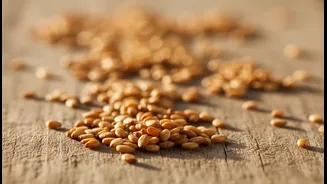
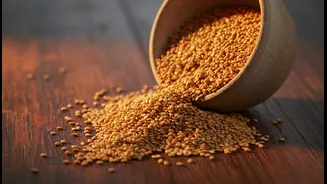
Strolling through a market, you'll likely see two main types of sesame seeds: white and black. While they come from the same plant, their uses and nutritional profiles have slight differences. White sesame seeds, which are typically hulled (with the outer shell removed), have a milder, nuttier taste. This makes them incredibly versatile for garnishing sabzis, baking into breads, or blending into smooth pastes like tahini. Black sesame seeds, which retain their hull, possess a stronger, earthier, and slightly more bitter flavour. They are often considered more nutrient-dense, boasting higher levels of calcium, iron, and antioxidants due to the intact hull. Traditionally, black sesame is prized in Ayurveda and used in recipes where a more robust flavour is desired, such as in certain laddus or chutneys.
Go Beyond the Festive Laddu
While Til Gul and chikki are beloved festive treats, sesame seeds are too versatile to be reserved for special occasions. Integrating them into your daily diet is surprisingly simple. Start your day by sprinkling a spoonful of roasted white sesame seeds over poha or upma. For lunch, create a quick 'podi' by dry-roasting and grinding sesame seeds with lentils and spices to mix with rice. A simple tadka (tempering) of sesame seeds, mustard seeds, and curry leaves can elevate a simple dal or vegetable stir-fry. You can also blend roasted sesame seeds with chillies, tamarind, and garlic to create a flavourful chutney that pairs perfectly with idlis and dosas. Another modern twist is using tahini, a paste made from ground sesame seeds, as a creamy base for salad dressings or dips for vegetable sticks.
A Simple South Indian-Style Sesame Rice
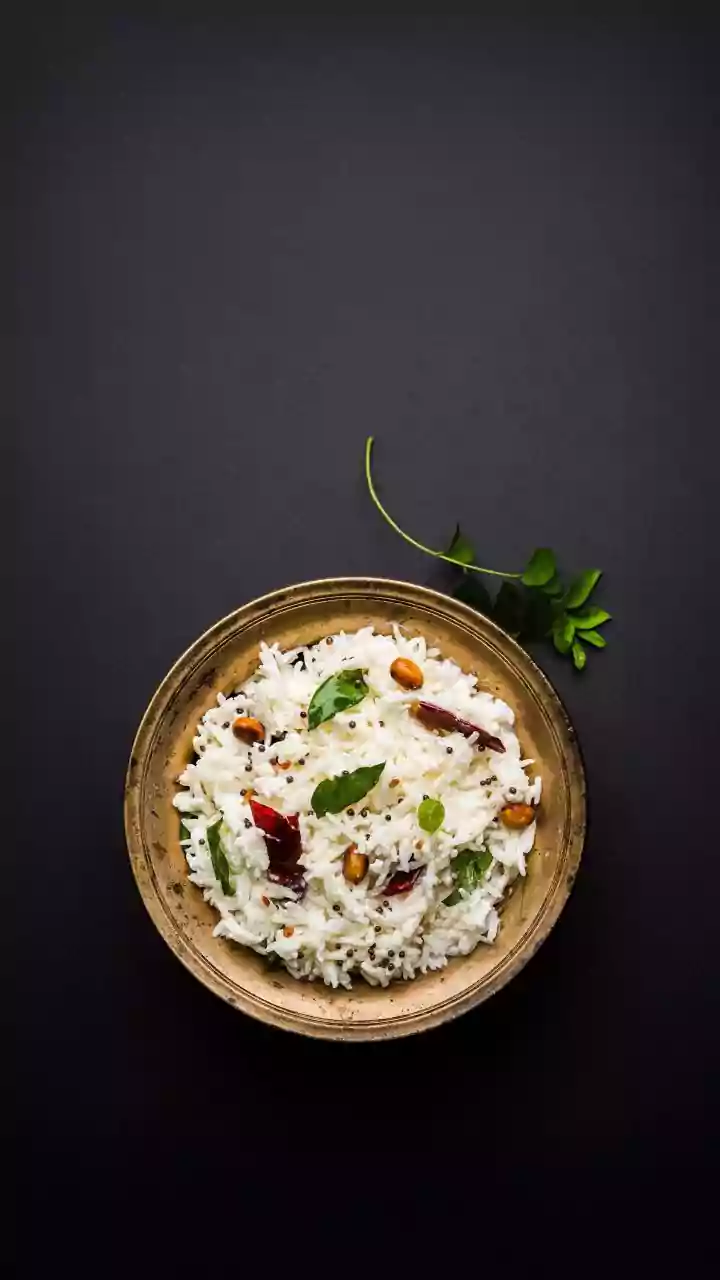
One of the easiest ways to enjoy the benefits of sesame is through 'Ellu Sadam' or sesame rice, a classic South Indian dish. To make a simple spice powder, start by dry-roasting a tablespoon each of chana dal and urad dal until they turn light brown. Add a couple of dried red chillies and a sprig of curry leaves, and continue to roast for another minute. Finally, add two tablespoons of black or white sesame seeds and roast until they begin to pop. Be careful not to burn them. Let this mixture cool completely, then grind it into a coarse powder without adding any water. To finish, simply mix a few spoonfuls of this aromatic powder into a bowl of warm, cooked rice along with a drizzle of gingelly (sesame) oil and salt to taste. It’s a complete, flavourful meal that's ready in minutes.
Don't Forget Cold-Pressed Sesame Oil
The goodness of sesame extends to its oil, known in many parts of India as gingelly or 'til ka tel'. Cold-pressed sesame oil, extracted without heat, retains the maximum amount of nutrients and antioxidants like sesamol and sesamin. Like the seeds themselves, the oil is rich in polyunsaturated and monounsaturated fats. Its high smoke point makes it suitable for various Indian cooking methods, including sautéing and tadkas. The oil's rich, nutty aroma adds a distinct layer of flavour to gravies like Ellu Kozhambu, a tangy Tamil Nadu curry made with a sesame seed paste. Using cold-pressed sesame oil in your daily cooking is another effortless way to incorporate those heart-healthy fats into your diet.