






The Potency of Plant Power
Essential oils are highly concentrated compounds extracted from plants. It can take a vast amount of plant material to produce just one small bottle, which is why they are so potent. While they are celebrated for their therapeutic and aromatic properties,
this concentration is also why they demand respect. Unlike synthetic ingredients, which are created in a lab for consistency, natural ingredients can have variations. The idea that 'natural' is always safer is a common misconception; even ingredients derived from plants can cause skin reactions if used improperly.
Common Culprits and Potential Reactions
Not all essential oils are created equal when it comes to skin sensitivity. Some are more likely to cause issues like contact dermatitis, redness, and itching. Lavender and tea tree oil, for example, are popular for their calming and antibacterial reputations respectively, but they contain common allergens like linalool and can become more irritating as they age and oxidize. Peppermint and eucalyptus can cause a stinging or burning sensation, as the cooling feeling they produce can mask underlying irritation. Other oils to use with caution include cinnamon, clove, and oregano, which are known to be particularly potent sensitizers.
The Risk of Sun Exposure
One of the most significant risks associated with certain essential oils is phototoxicity. This is a reaction that occurs when specific chemical compounds, namely furanocoumarins, are exposed to UV light. This can result in a severe, sunburn-like reaction, blistering, and even long-term skin discoloration. The most common culprits are cold-pressed citrus oils like bergamot, lemon, lime, and grapefruit. If you use products containing these oils, it is critical to avoid direct sun exposure for at least 12 to 24 hours after application. Some brands use steam-distilled citrus oils or FCF (furanocoumarin-free) versions, which do not carry the same risk.
How to Use Essential Oils Safely
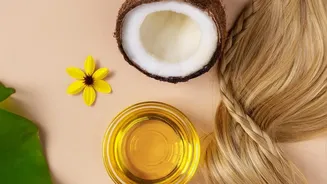
Enjoying the benefits of essential oils without the adverse effects comes down to a few simple rules. First and foremost, never apply undiluted essential oils directly to your skin. They must be diluted in a 'carrier oil'—like coconut, jojoba, or almond oil—which helps deliver them to the skin safely. For facial application, a dilution of 0.5% to 1% is generally recommended. Before using a new oil blend, always perform a patch test. Apply a small amount of the diluted oil to a discreet area, like your inner forearm, and wait 24 hours to see if any reaction occurs. Finally, pay attention to your skin; if you notice any redness, itching, or discomfort, stop using the product.
Reading Labels and Making Smart Choices
Becoming a savvy consumer is your best defence. Don’t just rely on the marketing claims on the front of the bottle. Turn it over and read the full ingredient list. If an essential oil is listed among the first few ingredients, it is present in a higher concentration. Be wary of vague terms like 'natural fragrance,' which can hide a cocktail of potential allergens. Choosing products from reputable brands that are transparent about their formulations and concentrations can also provide peace of mind. While many people use essential oils without issue, those with sensitive skin, eczema, or psoriasis should be particularly cautious, as they may be more prone to reactions.