




A Growing National Appetite
Not long ago, strawberries in India were synonymous with the cool hills of Mahabaleshwar. This region in Maharashtra, often called India's 'Strawberry Capital', produces around 85% of the country's crop. The unique climate and soil made it an ideal location
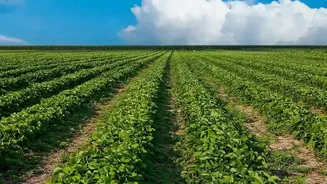
after British officers first introduced the fruit. However, driven by strong consumer demand and high profitability, strawberry cultivation is rapidly expanding. Farmers in Haryana, Uttar Pradesh, West Bengal, and even the plains are now successfully growing this high-value crop, transforming it from a niche delicacy into a more accessible fruit. This expansion highlights the berry's growing economic importance but also exposes its vulnerabilities.
The Challenge of a Warming World
The delicate nature of the strawberry plant makes it highly sensitive to environmental shifts. Traditionally a temperate crop, it requires a careful balance of conditions to thrive—conditions that are becoming increasingly unpredictable. Farmers in established regions like Mahabaleshwar and Kashmir are already feeling the effects of climate change. Rising winter temperatures, erratic rainfall, and unseasonal heatwaves disrupt the plant's life cycle. Strawberries need a chilling period to ensure proper flowering and fruit development. Warmer nights and sudden heat can lead to smaller yields, reduced sweetness, and a higher incidence of fungal diseases. These changes not only threaten the livelihoods of farmers but also risk price hikes and lower quality fruit for consumers.
What is a 'Climate-Ready' Strawberry?
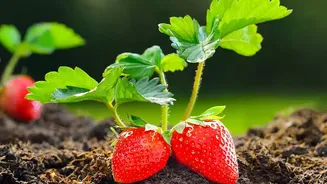
The answer to these climate challenges lies in horticulture science. The goal is to develop 'climate-ready' or 'climate-resilient' strawberry varieties. This isn't about a single magic bullet but breeding plants with a collection of specific traits. The first major hurdle is heat tolerance. Scientists are working to create varieties that can still flower and produce quality fruit even when temperatures are higher than ideal. Another key question is water usage. With growing water scarcity, future varieties must be more efficient, capable of producing a good harvest with less irrigation. Finally, resilience extends to pests and diseases. Changing weather patterns bring new or intensified threats from pathogens, so building disease resistance into the plant's genetics is crucial for sustainable farming.
The Search for Superior Genes
Developing these new varieties is a complex scientific puzzle. In India, much of the cultivation has relied on imported varieties from places like California, such as the popular Chandler. While effective, these plants are not bred for India's specific and changing climatic conditions. Recognizing this, Indian agricultural institutions are stepping up. Research bodies are now focused on developing India's first indigenous, climate-resilient strawberry varieties. This involves meticulous work: identifying existing strawberry plants with desirable traits—like natural heat or drought tolerance—and using classical breeding techniques or modern genetics to combine those traits into a new, robust plant. The aim is to create strawberries that are not only tough but also deliver the size, flavour, and shelf life that both farmers and consumers expect.
From Lab to Farm and Market
Creating a perfect strawberry in a research lab is only half the battle. The ultimate test is its performance in a real-world farm environment. Getting new varieties into the hands of farmers presents its own set of questions. Will the new plants be economically viable? Farmers need a crop that provides a reliable and profitable return. Adoption also depends on education and support, helping growers understand the cultivation needs of any new variety. Furthermore, consumer acceptance is paramount. A climate-ready strawberry must still be delicious. The fruit's taste, texture, and appearance must meet market demands. This entire pipeline, from genetic research to farmer adoption and market success, is vital for securing the future of strawberry cultivation across India.