





The Unifying Thread of Coastal Cooking
From the Bay of Bengal to the Arabian Sea, India's coastline is a vibrant tapestry of cultures, languages, and, most importantly, cuisines. While spices and seafood are common characters, the undisputed hero of this culinary story is the coconut. It is used
in nearly every form imaginable: thick milk for creamy gravies, grated flesh for texture, tangy vinegar for sharpness, and pure oil for tempering spices. This versatility is what makes coastal food so dynamic. The coconut doesn't just add flavour; it defines the very structure and soul of a dish, providing richness that balances the fiery chillies and sour tamarind that are also staples of the region. It's a symbol of prosperity and purity, an essential part of daily meals and sacred rituals alike, making it a true cultural and culinary icon.
Kerala: The Land of Coconuts
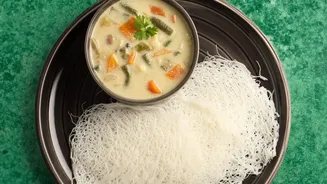
It’s impossible to talk about coconut without starting in Kerala, a state whose name literally translates to "Land of Coconuts". Here, the coconut is not merely an ingredient; it is a way of life. In dishes like Avial (a mixed vegetable stew) and Ishtu (a milder, aromatic stew), coconut milk provides a luscious, creamy base that soothes the palate. Grated coconut finds its way into thorans (stir-fried vegetable dishes) and chutneys, adding texture and a subtle sweetness. Even the cooking oil of choice is often coconut oil, which imparts a distinct aroma. The popular Kadala Curry, often served with puttu (steamed rice cakes), uses roasted coconut to create a deep, nutty, and aromatic gravy that is a breakfast staple.
Goa and the Konkan Coast: A Tangy Twist
Travel north along the coast to Goa and the Konkan region of Maharashtra, and you'll find coconut used in a bolder, tangier style. Goan cuisine, with its Portuguese influence, uses coconut in famous dishes like Fish Caldin and Xacuti, a complex curry made with roasted spices and grated coconut. But the real game-changer here is coconut vinegar, made from fermented coconut sap (toddy), which adds a signature sour punch to dishes like Vindaloo. Further up the Konkan coast, Solkadhi is a beloved digestive drink. This cooling, pink-hued beverage is made from coconut milk and the sour fruit kokum, perfectly balancing spicy meals. It showcases how coconut can be both a source of richness in a curry and a light, refreshing counterpoint.
Karnataka's Coastal Flavours
The coastal cuisine of Karnataka, particularly from the Mangalore region, is known for its fiery and flavourful dishes where coconut plays a crucial role in taming the heat. A classic Mangalorean fish curry, or Meen Gassi, uses a smooth paste of grated coconut and roasted red chillies, creating a vibrant orange gravy that is both spicy and creamy. This coconut base provides a rich body that beautifully complements the fresh seafood. In vegetarian dishes like the Mangalore cucumber curry (thesere/magge), coconut is ground with a blend of roasted spices like coriander and fenugreek seeds, resulting in a complex and aromatic sauce. The use of coconut here is not just for creaminess but also as a vehicle for a medley of toasted spices.
The Eastern and Western Fringes
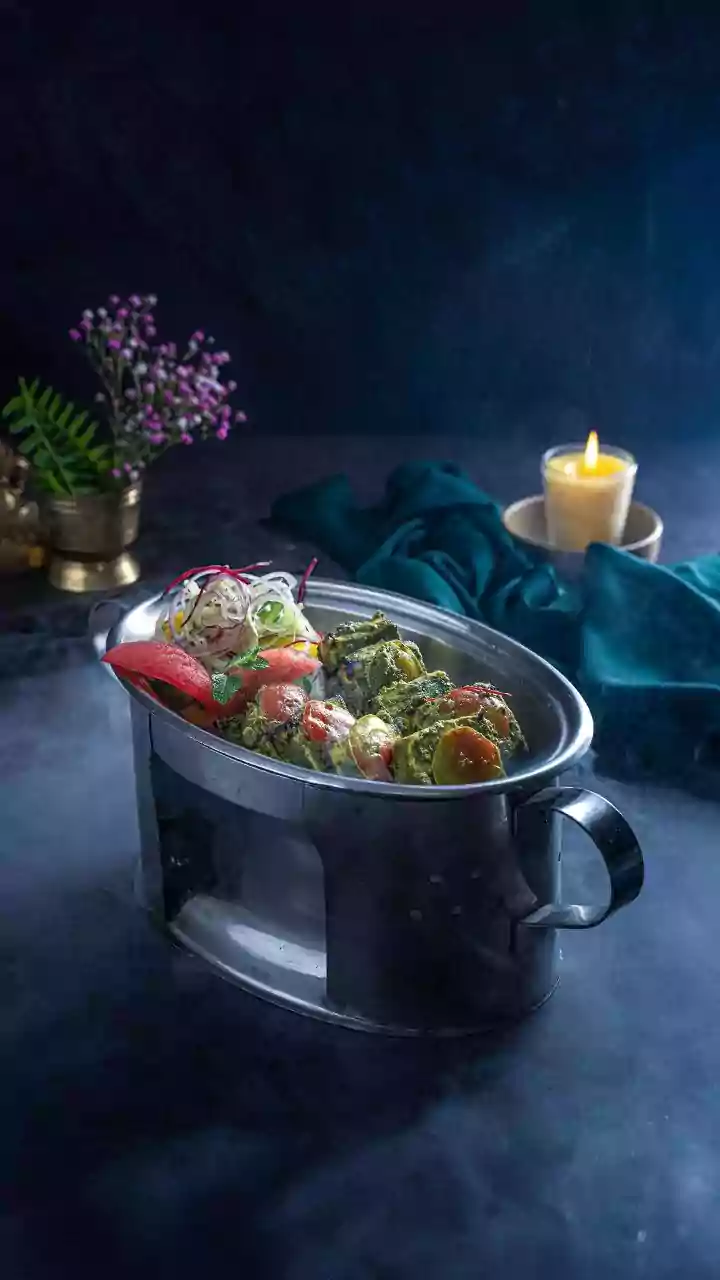
The influence of coconut extends to the eastern coast as well, particularly in West Bengal. The famous Chingri Malai Curry, a prawn dish beloved at celebrations, features a silky gravy made from coconut milk that balances the pungent notes of mustard oil and spices. Some culinary historians suggest the dish's name itself is a nod to its possible Malaysian origins, showing how coconut connects cuisines across Asia. On the western coast of Gujarat, the Parsi community's iconic Patra ni Macchi offers another unique application. Here, a fillet of fish, often pomfret, is coated in a vibrant green chutney made from coriander, mint, and, of course, fresh coconut, before being wrapped in a banana leaf and steamed. The coconut in the chutney lends moisture and a subtle sweetness that perfectly balances the herbs and spices.