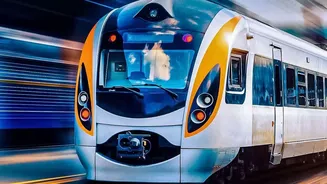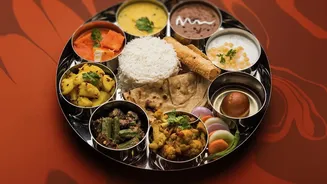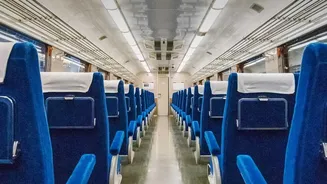







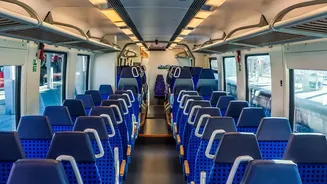


The much-anticipated Vande Bharat sleeper trains are redefining overnight travel in India. Now, IRCTC is rethinking the dining experience with a pilot project introducing shorter, airline-style menus on three key routes. Here’s what’s changing.
Less is More: The New Menu Philosophy
IRCTC has
initiated a trial of a significantly trimmed-down menu on its Vande Bharat sleeper services, a move aimed squarely at improving food quality and hygiene. The pilot project, which began on November 1, 2026, reduces the number of food items served in each meal from as many as ten down to about four. For breakfast, passengers can now choose from a limited selection, such as idli with vada, poha, or upma. Items like soup, sandwiches, omelettes, and buttermilk have been removed from the morning service. Similarly, the lunch and dinner thali has been simplified to include essentials like chapati, rice, dal, and a single main dish, with a choice between a vegetarian and a non-vegetarian option. Accompaniments such as curd, salad, pickles, dry vegetables, and sweets are no longer part of the standard meal tray.
The Reason for the Revamp
The primary driver behind this 'less is more' approach is the persistent passenger feedback regarding food quality on long-distance trains. Railway officials believe that by offering a more compact menu, catering staff and partners can better focus on the quality, freshness, and consistency of each dish served. The new model is designed to mirror the efficiency of airline catering. To achieve this, IRCTC is collaborating with major cloud kitchens and established hospitality groups like TajSATS and Sarovar Portico Group, who are known for supplying consistent, high-quality meals to airlines and hotels. This shift away from relying solely on traditional railway vendors is expected to streamline preparation and improve monitoring, ultimately leading to a better passenger experience. Officials have already reported a 10% drop in food-related complaints since the new arrangements were put in place.
Which Routes Are Part of the Trial?
The trial is currently active on all three operational Vande Bharat sleeper routes. These next-generation trains, designed for comfortable overnight journeys, first launched in January 2026. The routes selected for the menu pilot are the New Delhi-Varanasi, Howrah-Kamakhya (Guwahati), and Mumbai-Bengaluru corridors. These services represent a major upgrade in Indian Railways' long-distance offerings, featuring AC sleeper berths across First, Second, and Third classes, and connecting major commercial and cultural hubs. IRCTC is closely monitoring passenger feedback on these routes before making a decision on whether to expand this compact menu concept to other premium and long-distance trains across the network.
What This Means for Travellers
For passengers, the most immediate change is a smaller selection at mealtimes. While variety has decreased, the trade-off is intended to be a noticeable improvement in the quality and hygiene of the food you receive. Another significant change is the total weight of the meal tray, which has been reduced from approximately 700-750 grams to about 450-500 grams. However, IRCTC officials have clarified that the portion sizes of the main dishes have not been reduced; the weight difference comes from the removal of the extra side dishes. While catering charges are typically included in the ticket fare, passengers do have the option to book their travel without meals. Early signs suggest the focus on quality over quantity might be working, with a reduction in complaints noted by railway officials. IRCTC is also considering introducing regional specialities, like puran poli on the Mumbai route, based on passenger demand.