





A Surprise Revival in Sales
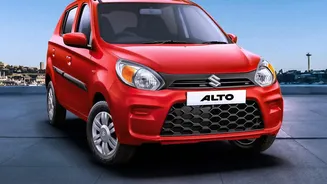
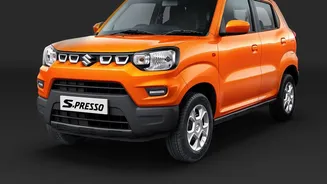
After years of watching their market share shrink, entry-level cars are experiencing a significant revival. Recent industry data from 2026 shows a remarkable turnaround. Maruti Suzuki, a dominant player in this space, reported that its entry-level segment,
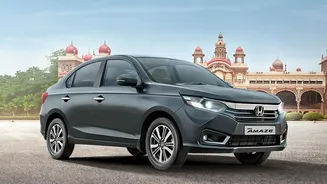
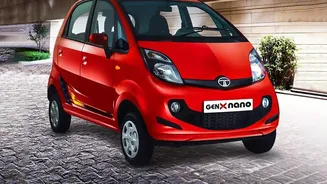
which includes models like the Alto and S-Presso, surged by a staggering 96% year-on-year between April and August 2026. This isn't an isolated event. Across the board, vehicles in the lower Goods and Services Tax (GST) bracket saw sales rise by 29% in the same period, pointing to a broad-based recovery. This renewed momentum counters the long-held belief that aspirational buyers were abandoning small hatchbacks exclusively for compact SUVs. Instead, the market appears to be growing at both ends, with budget-conscious households re-entering the automotive world.
Meet the New First-Time Buyer
The engine behind this growth is the return of the first-time car buyer. For Maruti Suzuki, this demographic accounted for 51% of sales in the final quarter of fiscal year 2026, a significant jump from 42% in the first half of the year. These new customers are not just from the metros; a massive push is coming from 'Bharat'—non-metro and rural India. Passenger vehicle registrations in rural markets have consistently outpaced urban growth throughout 2026. For many of these buyers, the journey into car ownership is an upgrade from a two-wheeler. Their priorities are clear and practical: affordability, low running costs, high fuel efficiency, and ease of maintenance. For them, a car is not just a status symbol but a crucial tool for mobility, safety, and economic aspiration.
Economic Tailwinds and Policy Support
This trend isn't happening in a vacuum. A confluence of economic factors has made conditions ripe for an entry-level resurgence. One of the most significant drivers has been a recent GST reduction on small cars, which has directly improved affordability and brought more buyers into showrooms. This policy change has been credited with providing major tailwinds for the auto sector. Furthermore, improved rural cash flows, partly due to good agricultural yields and a healthy monsoon outlook, have significantly boosted sentiment and purchasing power outside of major cities. FADA has noted that rural retail vehicle sales are growing at nearly triple the rate of urban markets. At the same time, financial institutions are offering more accessible and attractive loan packages, making it easier for first-time buyers to manage the financial leap from a two-wheeler to a four-wheeler.
How Carmakers Are Responding
Automobile manufacturers are keenly aware of this shifting tide and are adapting their strategies. The renewed focus on the entry-level segment is not just about clearing old inventory; it's about making these cars more appealing to a new generation of buyers. While new launches in the sub-compact SUV space continue, there's also a renewed push to equip budget cars with features once reserved for more expensive models, such as touchscreen infotainment systems and enhanced safety features. Maruti Suzuki, for instance, has benefited from the strong performance of its Alto and WagonR models. The company's managing director has stated that the growth has encouraged them to accelerate capital expenditure plans, signaling long-term confidence in the segment. Other manufacturers are also expected to focus on this space, potentially with new budget models, hybrid options, and flex-fuel variants to keep running costs low.
The Road Ahead for Small Cars
While the SUV boom continues to dominate headlines, the revival of the entry-level segment is a crucial indicator of the Indian market's health and depth. It signals that the dream of car ownership is becoming accessible to a wider swath of the population, a key step in the nation's journey toward mass motorization. The sustainability of this trend will depend on continued economic stability, favourable government policies, and the ability of carmakers to innovate within tight cost constraints. However, for now, the small car has reaffirmed its place not as a relic of the past, but as the foundational engine of India's automotive growth, proving that affordability remains a powerful and decisive factor for millions of aspiring households.