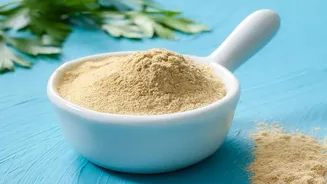








Myth: Protein Powder is a Magic Bullet for Muscle
One of the most persistent myths is that simply drinking protein shakes will automatically lead to muscle growth. The truth is that protein powder is a supplement, not a shortcut. Protein, which is made of amino acids, is essential for repairing the tiny
muscle tears that occur during exercise, which is how muscles grow stronger. However, this process requires the stimulus of resistance training. Consuming extra protein without the corresponding workout won't magically build muscle; your body will either convert the excess protein to fat or excrete it. Think of it as providing the bricks (protein) for a house you still need to build (exercise).
Fact: It’s a Supplement, Not a Complete Meal
This is the core concept to grasp. A typical protein shake, mixed with water or milk, primarily delivers one macronutrient: protein. A balanced meal, on the other hand, provides a mix of protein, carbohydrates, fats, fibre, vitamins, and minerals that work together to provide sustained energy and keep you full. While a shake can be a convenient post-workout recovery drink or a way to boost your protein intake, it lacks the nutritional complexity of a whole-food meal. Relying on simple protein shakes to replace meals regularly can lead to nutritional gaps and leave you feeling hungry sooner.
Myth: All Protein Powders Are the Same
Walking down the supplement aisle reveals a huge variety of protein powders for a reason. They come from different sources, each with unique properties. Whey protein, derived from milk, is fast-absorbing, making it a popular choice for post-workout recovery. Casein, another milk-based protein, digests slowly, providing a steadier release of amino acids, often recommended before bed. For those who are lactose intolerant or follow a plant-based diet, options like soy, pea, and rice protein are excellent alternatives. Soy is a complete protein, while pea protein is hypoallergenic and high in fibre. The best choice depends on your dietary needs, goals, and any allergies you might have.
Fact: Quality and Additives Matter Greatly
Not all tubs are created equal. Some protein powders can be high in added sugars, artificial sweeteners, and fillers, which can add unnecessary calories and lead to unhealthy blood sugar spikes. Furthermore, since supplements are not always strictly regulated, contamination with heavy metals like lead, arsenic, and cadmium can be a concern, especially with long-term use. It is crucial to read the label, choose products from reputable brands, and look for third-party certifications (like NSF International or Informed Choice) that verify the product's contents and purity.
Myth: Protein Powder Will Damage Your Kidneys
This is a common fear, but for healthy individuals, there is no strong evidence to suggest that a high-protein diet or using protein supplements damages the kidneys. Your kidneys are resilient and designed to filter waste products from protein metabolism, like urea. A higher protein intake does increase the workload on the kidneys, but for a healthy organ, this is not harmful. The concern primarily applies to individuals with pre-existing kidney disease or reduced kidney function. For these individuals, a high protein intake can accelerate the progression of their condition, so they must consult a doctor before adding supplements to their diet.