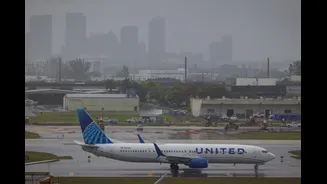







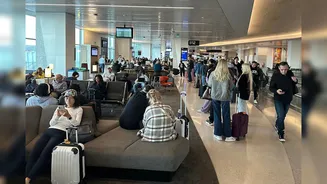

On the morning of November 13, the hum of US air travel fell silent. A nationwide ground stop by the FAA brought airports to a standstill, leaving thousands of travelers stranded and raising urgent questions about the system's stability.
A Sudden Halt in the Skies
Early Monday morning,
the Federal Aviation Administration (FAA) took the drastic step of ordering a nationwide ground stop, effectively pausing all domestic flight departures. For approximately 90 minutes, the country's famously complex and busy airspace fell quiet. This rare and significant decision created an immediate domino effect, snarling the intricate web of daily flights that millions of people depend on. Airports across the nation quickly transformed from orderly transit points into seas of confusion and frustration as departure boards lit up with delays and cancellations. While the FAA lifted the order before mid-morning, the damage was already done, setting the stage for a day of travel chaos that would ripple from coast to coast and take days to fully resolve.
The System Behind the Shutdown
The culprit behind the massive disruption was a failure in the FAA's Notice to Air Missions, or NOTAM, system. This is a critical piece of infrastructure that provides pilots, dispatchers, and air traffic controllers with essential real-time information about flight hazards, ranging from runway closures and equipment outages to airspace restrictions. According to initial reports from the Department of Transportation, a data processing error that occurred during a routine overnight system maintenance corrupted key files. Without the ability to reliably transmit these vital safety alerts, the FAA had no choice but to ground all flights until the system's integrity could be verified and it could be safely restored. Officials moved quickly to state that there was no evidence pointing to a cyberattack.
Ripple Effects Across the Nation
The impact on passengers and airlines was immediate and severe. By the end of the day, initial estimates from aviation analysts pointed to over 1,500 flight cancellations and nearly 10,000 delays nationwide. This left tens of thousands of passengers stranded. Major hubs like Hartsfield-Jackson Atlanta, Dallas/Fort Worth, and Chicago O'Hare were inundated with travelers, resulting in long, winding lines at customer service counters and baggage claims. Social media was flooded with images of crowded terminals and personal stories of missed family events, cancelled holidays, and disrupted business trips. The direct financial cost to airlines from lost revenue and operational adjustments is expected to be in the tens of millions of dollars, but the cost in passenger confidence is harder to measure.
Echoes of Past Failures
For many observers, the incident on November 13 felt like a troubling case of déjà vu. It closely mirrored a similar nationwide ground stop in January 2023, which was also caused by a critical failure of the aging NOTAM system. In the wake of that event, the FAA and lawmakers pledged to accelerate modernization efforts and improve the system’s resilience. While some upgrades have been made, this latest failure suggests that fundamental vulnerabilities remain. Aviation experts and airline industry groups have once again voiced urgent calls for a more robust, fully redundant system, arguing that the current infrastructure is simply not keeping pace with the demands of 21st-century aviation and represents a significant weak point in America's national infrastructure.
Investigation and the Call for Modernization
The FAA, along with the National Transportation Safety Board, has launched a full investigation to pinpoint the exact cause of the failure and determine why existing safeguards and protocols did not prevent it. In Washington, lawmakers are already calling for hearings to hold officials accountable and demand a clear, accelerated timeline for the full modernization of FAA technology. The key question is whether this latest crisis will finally provide the sustained momentum needed to secure the significant funding and political will required for a complete overhaul. For now, the system is back online, but the shutdown has once again exposed the fragility that lies just beneath the surface of the daily miracle of modern air travel.