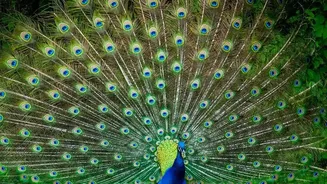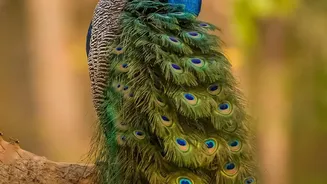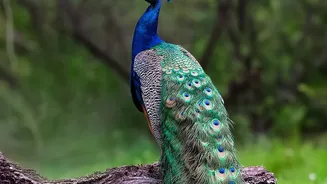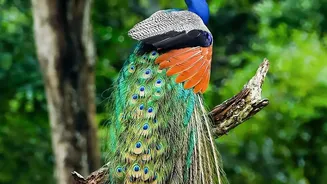








A Gift of Grace and Diplomacy
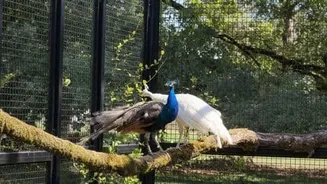
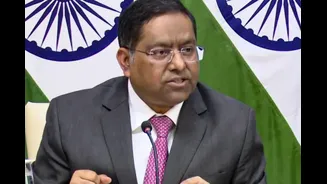
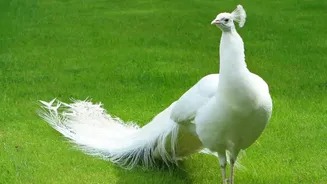
On August 7, 2026, India's Permanent Representative to the UN in Geneva, Arindam Bagchi, formally presented five young Indian peacocks to the UNOG Director-General, Tatiana Valovaya. The donation consists of four traditional blue peafowl and one male
with rare all-white plumage. This isn't just a random act of generosity; it's a carefully considered diplomatic gesture. The Permanent Mission of India stated the peacock represents "grace, beauty and resilience," embodying the nation's commitment to biodiversity and environmental stewardship. The timing revives a decades-old tradition, as former Prime Minister Indira Gandhi had previously gifted a pair of peacocks to the UNOG back in 1981. This new muster of birds will initially acclimate in a special enclosure before being allowed to roam freely across the scenic 46-hectare Ariana Park, home to the UN's European headquarters.
The Symbolism of the National Bird
The choice of the peacock is deeply significant. As India's national bird since 1963, the 'Mayura' is woven into the very fabric of the nation's cultural and mythological identity. In Hinduism, the peacock is the vehicle, or 'vahana', of Kartikeya, the god of war, symbolizing courage and integrity. It is also associated with goddesses Lakshmi and Saraswati, representing prosperity, knowledge, and wisdom. Beyond religion, the peacock is a powerful emblem of royalty, beauty, and pride, famously immortalized in the opulent Peacock Throne of the Mughal era. In Buddhist traditions, it signifies compassion and watchfulness. By gifting these birds, India is exporting a living piece of its heritage, a symbol recognized across the subcontinent for its deep-rooted connection to grace, divinity, and even the foretelling of rain.
Why a White Peacock?
The inclusion of a white peacock elevates the gesture's visual and symbolic impact. It is not an albino, but a result of a rare genetic mutation called leucism, which reduces pigmentation in the feathers. This striking appearance has led to its own unique symbolism. Across various traditions, the white peacock is seen as a powerful emblem of purity, spirituality, and even good fortune. In some spiritual contexts in India, a white peacock represents integral or spiritual victory. Its rarity makes it a prized and unforgettable sight. Furthermore, the combination of four blue birds and one white one cleverly mirrors the blue and white colours of the United Nations flag, adding another layer of thoughtful diplomacy to the gift. This detail transforms the donation from a simple act of goodwill into a nuanced statement of partnership.
Art and Nature in Diplomacy
Gifting is a long-standing tradition in international relations, and the Palais des Nations is home to over 2,000 works of art donated by member states. These gifts, from murals and sculptures to entire room designs, reflect the cultural identity and values of the donating countries. India's choice to gift living creatures is particularly notable. It continues a tradition within Ariana Park itself, which was bequeathed to Geneva by its original owner with the condition that his prized peacocks would always roam the grounds. India’s donation not only replenishes the park’s peacock population, which had dwindled, but does so in a way that underscores a commitment to nature and biodiversity. The gesture was hailed by the UN as adding another dimension to the India-UN partnership, a living, breathing symbol of India’s cultural ethos and commitment to multilateralism.