







The Return of the Third Pedal
At first glance, it’s a dream realised for motoring purists. After more than a decade, Ferrari has unveiled a V12-powered car with three pedals and a magnificent open-gated manual shifter. The Ferrari 12Cilindri Manuale, a limited-edition version of its
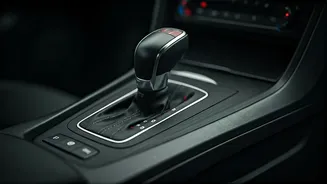
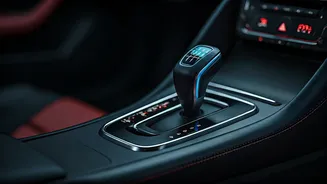
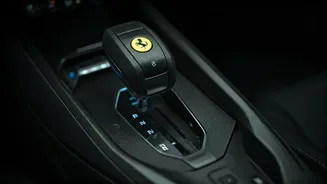
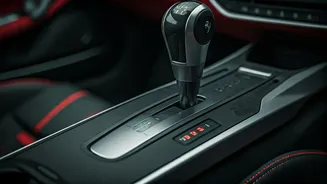
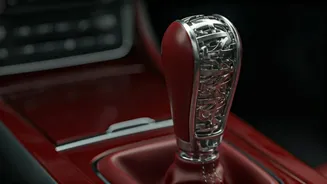
new flagship grand tourer, seems to be a direct answer to the pleas of its wealthiest clients who have been asking for a more analogue driving experience. The cabin features the iconic steel gear shift gate and a classic round aluminium knob, evoking the golden era of Ferrari GT cars. However, this return to tradition is not what it appears to be. There is no physical connection between that beautiful lever and the transmission itself. It is, in essence, a sophisticated and masterfully engineered simulation.
A Beautifully Engineered Illusion
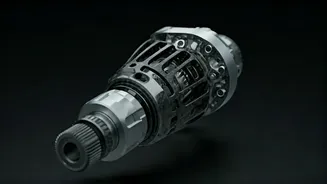
The 12Cilindri Manuale uses the same eight-speed dual-clutch transmission (DCT) found in the standard automatic version. What Ferrari has built is a groundbreaking ‘Manuale By-Wire’ system. The gear lever and clutch pedal are not mechanically linked to the drivetrain; instead, they are connected to sensors and actuators that send electronic signals to the DCT’s brain. The car’s computer then interprets these inputs to mimic the behaviour of a real manual gearbox. This sounds like a compromise, but there is a compelling logic behind it. The 12Cilindri’s naturally aspirated V12 produces a colossal 819 horsepower. Engineering a traditional mechanical clutch that could handle that power without requiring a Herculean effort from the driver’s left leg would be a massive challenge. This system provides the desired interaction without the physical drawbacks.
The Science of Feeling
Ferrari’s engineers have gone to extraordinary lengths to make the simulation feel real. The project was not about simply adding a switch. They meticulously developed a system of springs and cams for the clutch pedal to replicate the authentic resistance and biting point of a mechanical linkage. The gear shifter itself was designed to provide the satisfying ‘tac-tac’ feel and metallic sound that made classic Ferraris so famous. The software is so advanced that it even allows the driver to make mistakes; bring the clutch up too quickly from a standstill, and the 819-horsepower V12 will actually stall, just as it would in a true manual car. “The transient phases are the key: the sound, the slight friction, the engagement of the lever itself,” explained Ferrari's product development chief, Gianmaria Fulgenzi. It’s an obsessive deconstruction and reconstruction of a feeling.
The Business of Emotion
This car is the ultimate expression of a growing trend in the luxury market: selling experiences, not just products. While dual-clutch automatics are undeniably faster and more efficient, enthusiasts crave engagement and a sense of control. Ferrari has recognised that for its top-tier clients, the emotional connection to the machine is more valuable than shaving tenths of a second off a lap time. The Manuale gives drivers the best of both worlds; they can row their own gears for a spirited drive, and then switch to full automatic mode for relaxed cruising. This isn't just about driving; it's about buying into a fantasy. With a price premium of nearly 50 percent over the standard car and a limited run of 1499 units, Ferrari is banking on the idea that its clients will pay handsomely for a curated dose of nostalgia, even if it’s delivered by wire.