





The Thirst Behind the Technology
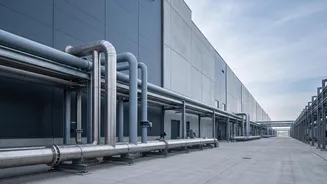
Artificial intelligence may seem like it operates in an invisible, digital cloud, but it runs on very real, physical infrastructure. These are vast, warehouse-sized buildings called data centres, packed with thousands of computer servers that process
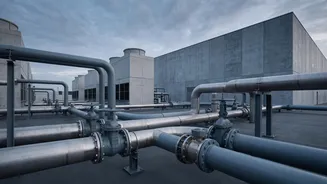
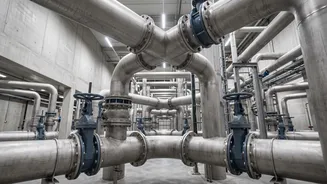
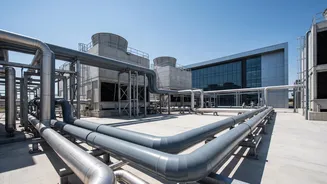
information around the clock. The rise of generative AI models like ChatGPT has supercharged the demand on these facilities. These complex systems require enormous amounts of electrical energy to perform calculations, and all that energy generates a tremendous amount of heat. To prevent the servers from overheating and malfunctioning, data centres require constant, intensive cooling. While older methods involved air conditioning, many modern facilities, especially those housing powerful AI systems, rely on more efficient water-based cooling. This often involves evaporative cooling, where water is used to cool the air, with much of it turning to steam and being released.
How Much Water Are We Talking About?
Quantifying AI's exact water footprint is complex, with estimates varying based on the AI model, the data centre's location, and its cooling efficiency. However, the numbers are undeniably large. A single, large-scale data centre can use up to 5 million gallons of water per day, comparable to the daily water consumption of a town with 50,000 people. Microsoft, for example, saw its global water consumption jump by 34% in one year, an increase it largely attributed to its AI expansion. Some researchers have tried to break it down to a per-query level. While estimates vary wildly from a few drops to a full bottle of water per interaction, the cumulative effect is staggering. Training a single large AI model like GPT-3 can consume around 700,000 litres of fresh water. The total annual water use for all U.S. data centres in 2023 was estimated to be in the billions of gallons.
From Virtual Queries to Real-World Scarcity
While data centres contribute a small fraction of total national water usage compared to agriculture, their impact is intensely local. A data centre acts like a giant straw, drawing thousands of gallons of water from a single basin to serve AI queries from all over the world. This creates a significant problem when these facilities are built in regions already facing water stress or drought. Ironically, many data centres are located in hot, dry climates where land and power may be cheaper, but water is scarce. This can put technology companies in direct competition with local communities and agriculture for a limited resource. As the AI boom continues, this strain is expected to increase, raising concerns about the long-term sustainability of placing such water-intensive facilities in water-scarce areas.
The Search for Greener Solutions
The technology industry is aware of the growing problem and is exploring ways to mitigate AI's water footprint. One major push is toward more efficient cooling technologies. Direct liquid cooling, where fluids circulate in close contact with hot server components, is far more efficient than traditional methods. Some companies are also pioneering designs that use zero water for cooling, even in hot climates, by allowing servers to operate at higher temperatures and using advanced air-cooling techniques. Another key strategy is the use of recycled or non-potable water for cooling systems, reducing the strain on fresh water supplies. Tech giants like Google and Microsoft have announced ambitious goals to become "water positive," meaning they aim to replenish more water than they consume by 2030 through investments in water restoration projects. However, transparency remains an issue, as many companies are not forthcoming about their specific water consumption data, making it difficult to fully assess the scale of the problem and the effectiveness of solutions.